Reviewed · ARUSHA NATIONAL PARK TOURS
Three Days Ngorongoro crater, Lake Manyara and Taragire National Park (Joining)
The biggest draw here is the three-park route packed into only three days. From Arusha, you visit Lake Manyara, descend into Ngorongoro Crater, and finish among Tarangire’s elephants and baobabs. That gives you a real taste of northern Tanzania without committing to a long, expensive safari.
I like the affordable joining format, especially for solo visitors and couples who do not need a private vehicle. I also like the small maximum group of seven, plus the chance to see unusual sights such as tree-climbing lions and a black rhino in Ngorongoro. The trade-off is a fast schedule, with long drives and basic camping rather than polished lodge comfort.
Key points before you book
- Three famous parks in three days: Lake Manyara, Ngorongoro Crater, and Tarangire each offer a different type of wildlife viewing.
- A budget shared safari: You join other clients, which keeps the price at $820 per person.
- Small group size: The vehicle is limited to a maximum of seven travelers.
- Strong wildlife targets: Expect chances to see elephants, buffalo, lions, flamingos, wildebeest, zebra, hippos, and possibly black rhino.
- Guides add to the experience: Miraj, Santiago, Ray, and Maximilian have been praised for humor, animal information, and good company.
- Camping keeps the price down: Two nights of accommodation, meals, bottled water, and hotel pickup are included.
What $820 buys you in three days
At $820 per person, this is not a bargain city tour with a quick wildlife stop. It is a full safari covering three important northern Tanzania destinations, with transport from Arusha, accommodation, meals, bottled water, and game drives included.
The joining setup matters most to the price. You are not paying for a private vehicle and personal departure schedule. Instead, you share the safari with other clients, with a maximum group of seven. For a solo visitor, that can be a practical way to join a proper safari without paying a large single-party supplement.
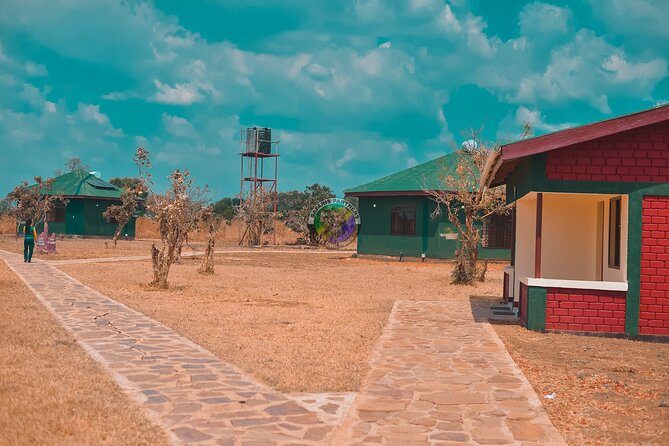
The price also includes two nights of accommodation, breakfast, lunch, and dinner. Alcoholic drinks and souvenir photographs cost extra. The accommodation is described as Panorama Camp or a similar camp, so you should expect a basic camping arrangement rather than a luxury tent or full-service lodge.
I would look at this trip as a concentrated introduction to Tanzania. You get three well-known parks, but you do not get much spare time. If you want slow mornings, long afternoons at one water hole, or a private guide who can change the plan around your interests, a longer private safari would suit you better.
More Volcano National Park Tours in Arusha
- 3 Day Serengeti National Park & Ngorongoro Crater Camping Safari
★ 5.0 · 142 reviews - 4 Day Ngorongoro Crater Tarangire and Serengeti National Park
★ 5.0 · 44 reviews - 3 Days Safari to Serengeti National Park & Ngorongoro Crater in Tanzania
★ 5.0 · 34 reviews
Day 1: Lake Manyara’s elephants, flamingos, and tree-climbing lions
The first morning begins in Arusha, with departure listed around 7:00 am and a meeting time of 7:30 am. Those times do not match exactly, so confirm the pickup time when you book. Hotel pickup is offered, and the drive to Lake Manyara takes about two hours.
The road passes through African savannah and scattered Maasai settlements. You may see Maasai people alongside the road with their livestock. That early drive gives you a useful sense of the region beyond the park gates, though it also means a fairly early start.
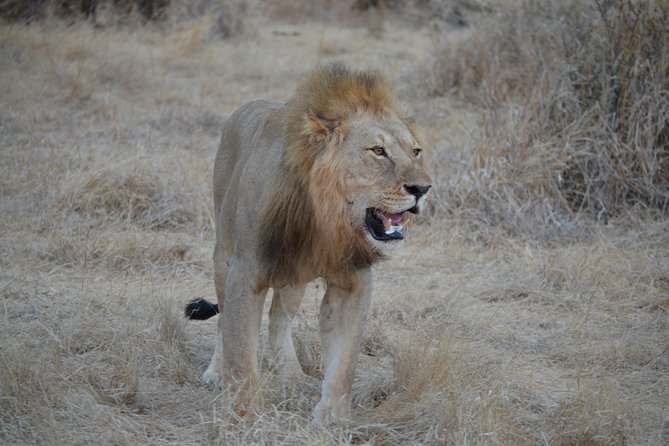
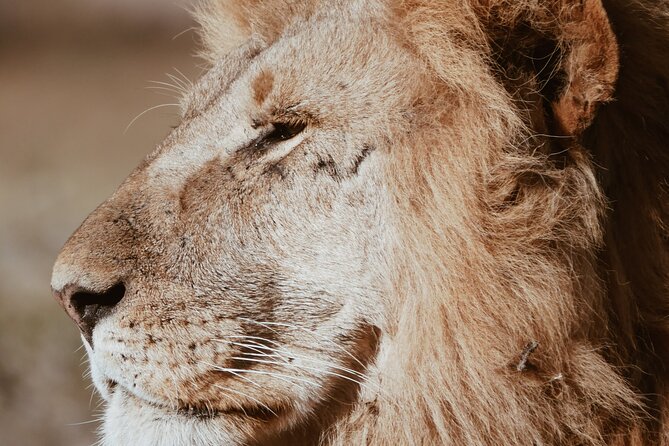
Lake Manyara National Park is compact but varied. Its habitats support elephants, large flocks of flamingos, and the park’s famous tree-climbing lions. The lions are not guaranteed, of course, but they are one of the clearest reasons to include Manyara on a short safari.
The lake attracts flamingos because of algae in the water. Their presence can change with conditions, but the combination of lake, birds, woodland, and open areas gives the day more variety than a single-habitat park. You may also see other animals during the game drive, though the schedule specifically highlights elephants, lions, and flamingos.
One detail I like is the timing. You leave Arusha early and spend much of the day in the park, rather than treating Lake Manyara as a brief roadside stop. You carry a picnic lunch, then drive to the Manyara area in the late afternoon for dinner and the night at Panorama Camp or a similar accommodation.
The drawback is that this is a busy opening day. You have the Arusha pickup, the road journey, a game drive, and the evening transfer to camp. Keep your first-day expectations realistic. The reward is a quick change from town to open country and then to one of Tanzania’s best-known wildlife areas.
Day 2: A half-day inside Ngorongoro Crater
Day two is built around Ngorongoro Crater, the strongest wildlife day in the program. After breakfast, you drive through the evergreen forest of the Ngorongoro highlands toward the crater rim. From there, the vehicle descends about 600 meters for a morning and half-day game drive.
The crater is the remains of a huge volcanic formation and is famous for the concentration of wildlife within its enclosed floor. The tour information estimates around 30,000 animals in the crater. That does not mean you will see every species, but it explains why the crater can produce such varied sightings in a relatively short visit.
The main targets include wildebeest, zebra, buffalo, eland, warthog, hippo, and elephants. Ngorongoro is also known for predators, including lions, hyenas, jackals, cheetahs, and the more difficult leopard. You need patience and a sharp eye for the last one.
The most important wildlife possibility is the black rhino. Ngorongoro is a natural home for some of Tanzania’s remaining black rhinos, making the crater especially valuable for anyone hoping to see this rare animal. A sighting is never promised, but the crater gives you one of the better opportunities on this short route.
You eat a picnic lunch in the crater, then leave the crater rim area for the journey toward Tarangire. The plan lists dinner and another night at Panorama Camp. That means day two combines an early wildlife start with another transfer, so it is likely to feel full.
I like the way the trip puts Ngorongoro in the middle. Lake Manyara eases you into safari country, Ngorongoro provides the most concentrated wildlife setting, and Tarangire gives the final day a different visual feel. The compromise is that you only get a half-day crater visit, not the relaxed pace of a longer crater itinerary.
Day 3: Tarangire’s elephant country and giant baobabs
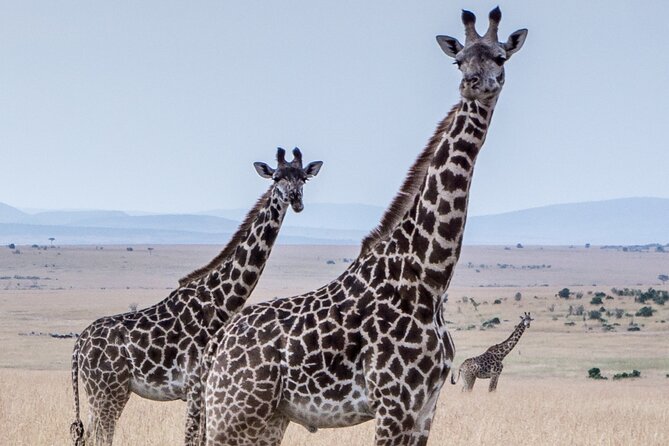
After breakfast, you head into Tarangire National Park for the final game-viewing session. Tarangire is known for its acacia woodland, giant African baobab trees, and large swamp areas in the south.
The swamps become smaller during the dry season, attracting large numbers of animals. That seasonal pattern is important. The park’s appeal changes with water conditions, and the itinerary specifically points to the dry-season concentration around the shrinking swamps.
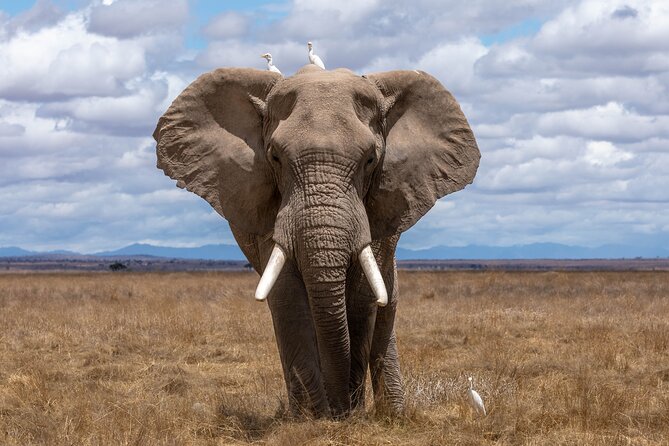
Tarangire is especially associated with elephants, and the tour highlights large herds. You may also look for buffalo and three less common species: greater kudu, fringe-eared oryx, and ashy starlings. These animals are a useful reminder that a safari is not only about the largest or most famous creatures.
The baobabs give Tarangire a distinct character. Lake Manyara centers on woodland, lake, and flamingos. Ngorongoro focuses on a compact crater floor and predator sightings. Tarangire brings open woodland, old trees, swamps, and elephants. That contrast makes the three-park combination work better than simply repeating similar game drives.
After the morning game drive, you return to the lodge or camp for lunch, then leave for Arusha. The schedule does not give a precise arrival time. Plan your onward arrangements with some flexibility rather than booking a tight connection after the safari.
More Volcano National Park Tours in Tanzania
- 3 Days Lake Manyara, Ngorogoro Crater, Tarangire National Park
★ 5.0 · 21 reviews - 3 Days Safari Ngorongoro Crater and Serengeti National Park
★ 5.0 · 21 reviews - 3days Serengeti National park and Ngorongoro Crater Tanzania Safari
★ 5.0 · 21 reviews - 2 Days Joined Group Tarangire and Ngorongoro Crater National Park
★ 4.5 · 17 reviews
Shared vehicles, guides, and the human side of the trip
The joining format can make the safari more social. You may join as a solo visitor, a couple, or part of another small group. With a maximum of seven people, the vehicle should be more manageable than a large coach, though personal space still depends on the vehicle and the final group makeup.
Guides are a major part of a short safari. The named guides associated with this experience include Miraj, Santiago, Ray, and Maximilian. Miraj has been praised for sharing stories and information about Tanzania’s wild animals, while Santiago, Ray, and Maximilian have been remembered for their humor and company.
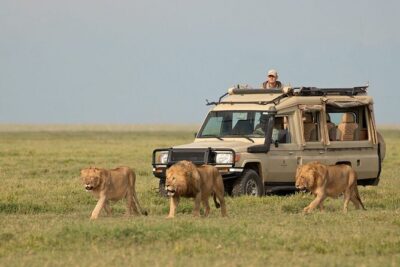
That matters because three days gives you little time to settle into safari routines. A guide who explains animal behavior, points out less obvious species, and keeps the mood good can make long drives feel worthwhile. One particularly memorable wildlife moment involved lions approaching a stationary vehicle and resting in its shade for about 15 minutes. That kind of encounter cannot be scheduled, but it shows why patience during a game drive pays off.
You should also remember that a shared trip involves compromise. Someone in the vehicle may want to stop longer for lions, while someone else may be eager to continue toward elephants or rhino. The small group limit helps, but this is still a joining safari, not a private itinerary.
Camping comfort and what to pack mentally
The included accommodation is listed as two nights at Panorama Camp or similar. The word basic is important here. You are paying for access to the parks and the essentials of a safari, not for high-end rooms or a long list of camp services.
Meals are included: breakfast, lunch, and dinner. Picnic lunch is specified for the first day and for the Ngorongoro crater visit. Bottled water is also included, which is useful during long drives and warm game-viewing sessions.
The experience suits you if you value time in the parks more than hotel polish. You will spend much of the day on the road or in the vehicle, so the accommodation mainly needs to provide a place to sleep, eat, and prepare for the next early start.
The listing does not provide a detailed packing list, tent specification, or room description. Ask for those details before departure if they affect your decision. The same applies to the exact camp used, since the plan allows for a similar alternative.
Who gets the most from this safari
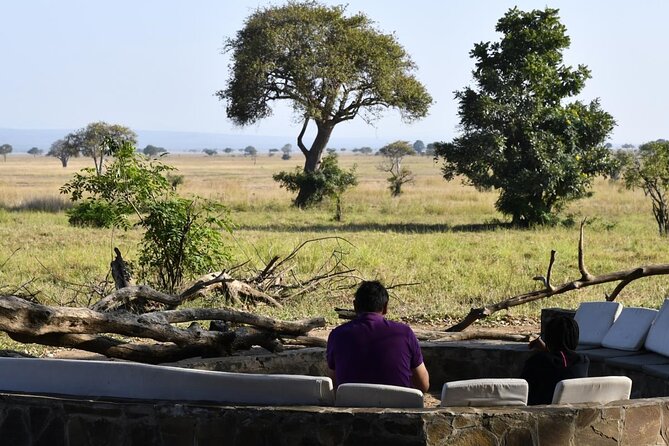
I would recommend this trip most strongly to a solo visitor or couple looking for a cost-conscious first safari from Arusha. It covers the three parks many first-time visitors want to see and avoids the cost of a private vehicle.
It also works for someone with limited time. Three days will not show you every part of northern Tanzania, but it gives you a sensible sample: flamingo country and tree-climbing lions at Manyara, rare rhino potential at Ngorongoro, and elephant country at Tarangire.
You should think twice if you dislike early starts, shared transport, basic camping, or changing camps after full game-drive days. The route is active and compact. It is not built for long rest periods.
The safari can suit most people physically, according to the activity information. A current valid passport is required on the day of travel. Confirmation is provided at booking, and pickup and drop-off at hotels are included.
Practical booking points that matter
The experience starts and ends in Arusha. Hotel pickup is offered, and the listed start time is 7:30 am, while the day-one program says to leave at 7:00 am. Confirm the exact time and pickup location so you are ready early.
Free cancellation is available if you cancel at least 24 hours before the start time. Cancellations or changes made less than 24 hours before the start are not accepted for a refund. The cutoff follows local time.
The maximum group size is seven. That is worth checking at booking, particularly if you are choosing this trip because you want a small vehicle group rather than a larger shared safari.
Alcoholic drinks are not included and can be purchased separately. Souvenir photos are also extra. Since bottled water is included, you do not need to budget for that basic item within the tour price.
Should you book this three-day safari?
Book it if you want a short, shared, budget camping safari that reaches three major northern Tanzania parks. The route has real variety, the wildlife targets are strong, and the small group limit improves the value.
I would not book it if your priority is a slow schedule, private guiding, or guaranteed comfort at camp. The itinerary is tightly packed, and the exact accommodation details are not specified.
For the right person, $820 is a reasonable way to sample Tanzania from Arusha. Confirm the pickup time, ask about the final camp arrangements, and accept that the best moments, such as lions resting beside the vehicle, come from being patient and flexible.
FAQ
Where does the safari start and finish?
The safari starts and ends in Arusha, Tanzania. Hotel pickup and drop-off are included.
How long is the experience?
The safari lasts approximately three days and includes two nights of accommodation.
Which parks and conservation areas are included?
The route includes Lake Manyara National Park, Ngorongoro Conservation Area and Crater, and Tarangire National Park.
What is the maximum group size?
The maximum group size is seven travelers.
What time does the safari start?
The listed meeting time is 7:30 am. The day-one schedule says to leave Arusha at 7:00 am, so confirm the exact pickup time when booking.
Is this a private safari?
No. This is a joining safari, meaning you share the experience with other clients.
What accommodation is provided?
The itinerary lists two nights at Panorama Camp or a similar accommodation. It is described as a budget camping safari with basic accommodation.
Are meals included?
Yes. Breakfast, lunch, and dinner are included. Picnic lunch is planned during the Lake Manyara and Ngorongoro days.
Is bottled water included?
Yes. Bottled water is included in the tour price.
Can I cancel for a full refund?
Yes, if you cancel at least 24 hours before the experience start time. Cancellations and changes made less than 24 hours before the start are not accepted for a refund.
More Three-Day Trips in Arusha
- 3-Day Taste of Tanzania Safari (Tarangire National park and Ngorongoro Crater)
★ 5.0 · 10 reviews - 3 Day Safari to Serengeti National Park and Ngorongoro Crater
★ 5.0 · 4 reviews - 3 Days Joined Group Safari Ngorongoro,Lake Manyara and Tarangire National Park
★ 5.0 · 4 reviews - 3 Day Sharing Safari – Manyara, Ngorongoro Crater and Tarangire National Parks
★ 5.0 · 3 reviews
More Tarangire and Serengeti Safaris in Arusha
- 6 days 5 nights safari Ngorongoro, Serengeti and Tarangire National Parks
★ 5.0 · 39 reviews - 4 Days Joined Group Safari Serengeti,Ngorongoro and Tarangire National Parks
★ 5.0 · 18 reviews - 5days Tarangire,Serengeti,ngorongoro Crater and Lake Manyara National park
★ 5.0 · 11 reviews - Tarangire National Park: Guided Day Tour from Arusha
★ 5.0 · 11 reviews
Newest park tours we have reviewed in Arusha
- Walking safari & game drive Day trip in Arusha National park★ 4.5 · 2 reviews
- Tarangire National Park Day Trip★ 5.0 · 4 reviews
- 2 Days Tanzania Safari – Lake Manyara and Tarangire National Park★ 5.0 · 3 reviews
- Private Wildlife Encounter at Tarangire National Park★ 5.0 · 3 reviews
- Tarangire National Park★ 5.0 · 2 reviews
- Lake Manyara National Park Full-Day Tour from Arusha★ 4.5 · 8 reviews
- 4 Days Private Arusha National Park, Serengeti, Ngorongoro Tour★ 5.0 · 4 reviews
- Tarangire National Park Day Trip★ 5.0 · 3 reviews
Arusha National Park Tours, compared.

3 Day Serengeti National Park & Ngorongoro Crater Camping Safari
Read our review →
4 Day Ngorongoro Crater Tarangire and Serengeti National Park
Read our review →
6 days 5 nights safari Ngorongoro, Serengeti and Tarangire National Parks
Read our review →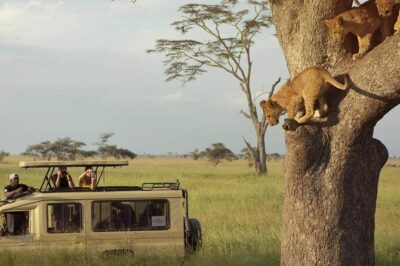
3 Days Safari to Serengeti National Park & Ngorongoro Crater in Tanzania
Read our review →
3days Serengeti National park and Ngorongoro Crater Tanzania Safari
Read our review →