Reviewed · ARUSHA NATIONAL PARK TOURS
3 Days Safari to Serengeti National Park & Ngorongoro Crater in Tanzania
The strongest part of this safari is the pairing of two very different wildlife settings: the wide-open Serengeti, where lions and cheetahs hunt across huge plains, and the enclosed Ngorongoro Crater, where animals gather around springs and a soda lake. You also get a useful human-history stop at Olduvai Gorge.
I like the private custom-built 4×4, which gives your group better control over viewing stops, and I like that the price includes park fees, camping gear, meals, fuel, and a driver-guide. The drawback is the pace: long drives, early starts, basic camping, and only three days to cover a lot of ground.
Key points at a glance
- Two famous wildlife areas in three days: Spend time in Serengeti National Park, then descend into Ngorongoro Crater.
- A private vehicle for up to seven people: The custom 4×4 is set up for game viewing and keeps your party together.
- Strong big-game potential: Lions, leopards, cheetahs, elephants, buffalo, zebras, wildebeest, and rhinos are all part of the expected search.
- Olduvai Gorge adds human history: A small museum explains major archaeological discoveries connected with human evolution.
- Camping keeps the price in check: Tents, sleeping mats, camping furniture, breakfast, lunch, and dinner are included.
- A small-group format: The maximum group size is seven, a useful middle ground between a private couple’s trip and a large safari truck.
Three days from Arusha to Africa’s famous wildlife parks
This safari is designed as a compact introduction to northern Tanzania. You start in Arusha and return to the same meeting point after visiting Serengeti National Park and Ngorongoro Crater.
At $1,200 per person, the price needs to be judged as a package rather than as three sightseeing days. National park fees, a private 4×4, fuel, camping equipment, an English-speaking guide, two breakfasts, two lunches, and two dinners are included. International flights, a Tanzanian visa, insurance, tips, laundry, and communication costs are not.
That makes this a reasonable choice if you want a straightforward camping safari without arranging each part yourself. It is less attractive if you want lodge accommodation, a slow schedule, or a trip built around one park only.
The vehicle is private, but the group can reach seven people. That distinction matters. A couple may have plenty of room, while a full group will share the vehicle and the viewing schedule. The custom design is meant to provide good sightlines during game drives, but you should still expect long hours on the road.
More National Park Safaris in Arusha
- 7 Days Tanganyika Wilderness Safari
★ 5.0 · 159 reviews - 3 Day Serengeti National Park & Ngorongoro Crater Camping Safari
★ 5.0 · 142 reviews - Arusha National Park Private Safari
★ 5.0 · 59 reviews
Day 1: the long road into Serengeti National Park
The first morning begins early. Breakfast is planned for about 6:00 a.m., followed by hotel pickup around 7:00 a.m. You then drive toward Serengeti National Park with a picnic lunch.
The journey is part of the experience, but it is also the day’s main drawback. This is not a quick transfer from Arusha to a nearby reserve. The itinerary allows about nine hours for the day, and much of it involves reaching the park and getting into position for game viewing.
Serengeti covers about 14,763 square kilometers, or 5,700 square miles. That scale explains both its appeal and the travel time. You are not entering a small enclosure where animals are easy to find. You are moving through a vast protected area in search of wildlife that can be spread across enormous distances.
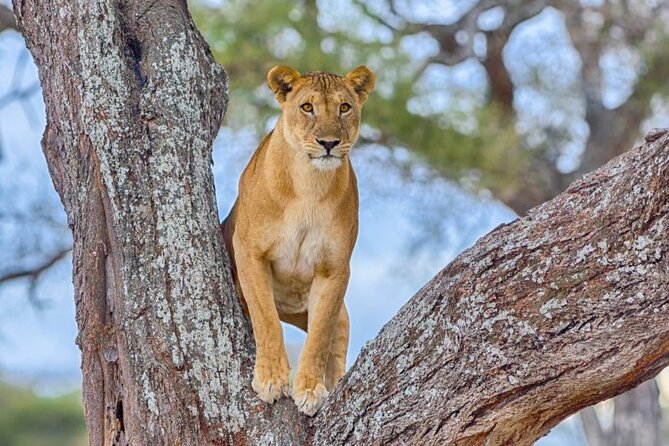
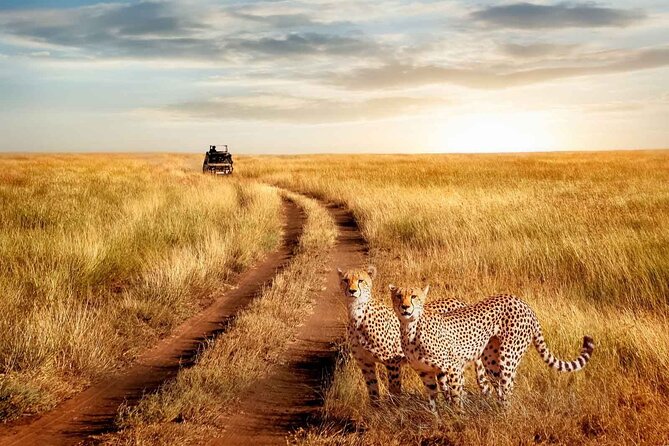
Once inside, the target list is impressive: lion, leopard, elephant, cheetah, buffalo, zebra, wildebeest, eland, wild dog, gazelle, and crocodile. You might see several species in a single area, or you might spend time scanning the plains before finding anything close.
This is where the guide’s skill matters. Guides including Albert, Bryson, Frankie, Ismael, Jordan, and Joel have been praised for finding animals, explaining behavior, and driving safely, although your assigned guide may be different. You should expect the guide to handle the practical work of locating wildlife and positioning the vehicle while you concentrate on watching and photographing.
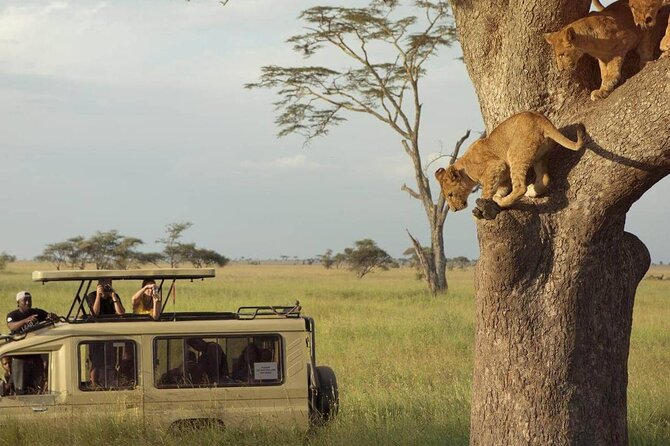
The Serengeti is especially rewarding when predators and grazing animals share the same view. A pride of lions near zebra, a cheetah preparing to hunt, or a leopard resting away from the road can turn an ordinary game drive into the day’s main memory.
Your lunch is carried with you, so the day does not depend on returning to a lodge at midday. That saves time and keeps the route flexible. The tradeoff is that you should be ready for a picnic-style meal and a full day outdoors rather than a long hotel break.
Day 2: early wildlife viewing and the road toward Ngorongoro
Day two begins at about 6:00 a.m. with an early morning game drive. This is a smart use of the schedule because the cooler hours give you another chance to see animals before the day progresses.
The timing in the itinerary is a little confusing, with a 9:00 a.m. reference before returning to camp for breakfast. In practical terms, you should be prepared for a morning drive followed by breakfast at camp, then a checkout and continued travel. Confirm the exact morning sequence with the operator before departure.
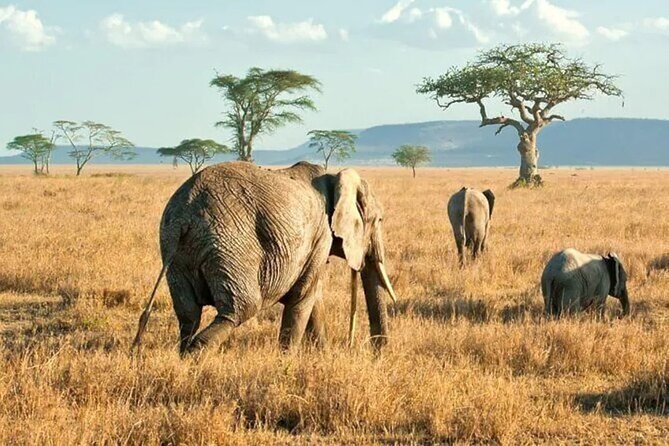
The Serengeti can reward persistence on this second visit. Wildebeest and zebra may be close to lions, while leopards and cheetahs require more careful searching. Elephants are also part of the park’s wildlife, and the itinerary specifically points to learning about the different stages of an elephant’s life.
That detail gives the safari more depth than a simple checklist of animals. You are not only looking for a large animal and taking a photograph. You can ask the guide how elephants change as they grow, how herds are organized, and how their behavior differs from that of predators or grazing species.
After breakfast, you drive toward Ngorongoro Crater Rim with lunch and game viewing along the way. This is a busy day: another park drive, packing up camp, a historical stop, and a long transfer. It offers a lot, but it does not leave much spare time.
Olduvai Gorge brings human history into the safari
The route may pass Olduvai Gorge, where Louis and Mary Leakey carried out important excavation work. A small museum presents archaeological discoveries linked to human evolution.
This is a worthwhile pause because it changes the focus of the trip. After spending hours thinking about animal behavior and conservation, you get a look at the much older human story connected with the region.
The museum is not described as a large complex, so keep your expectations modest. Its value comes from the subject and location, not from a long indoor visit. If you have an interest in archaeology, early humans, or East African research, you will likely appreciate the stop. If your only goal is wildlife, the stop may feel like time taken from the game drive.
The itinerary also refers to the life stages of elephants around this part of the journey. That may form part of the guide’s interpretation rather than a separate formal activity. Ask questions as you go. A good guide can turn a passing elephant sighting into a clearer understanding of family groups, age, and behavior.
By the end of day two, you reach the Ngorongoro Crater Rim area. The change in setting is striking: the open Serengeti gives way to the high rim and the enclosed caldera below. Camping equipment is included, along with sleeping mats and camping furniture, but this remains a camping trip rather than a lodge safari.
More National Park Safaris in Tanzania
- 6 days 5 nights safari Ngorongoro, Serengeti and Tarangire National Parks
★ 5.0 · 39 reviews - 3days Serengeti National park and Ngorongoro Crater Tanzania Safari
★ 5.0 · 21 reviews - 2 nights 3 days safari to mikumi national park
★ 5.0 · 62 reviews - From Zanzibar: Nyerere National Park Game Drive with Lunch
★ 4.3 · 59 reviews
Day 3: descending into Ngorongoro Crater
The final morning starts with breakfast and a drive to the crater, with the descent planned for about 7:00 a.m. You then enter the crater floor for roughly six hours of game viewing.
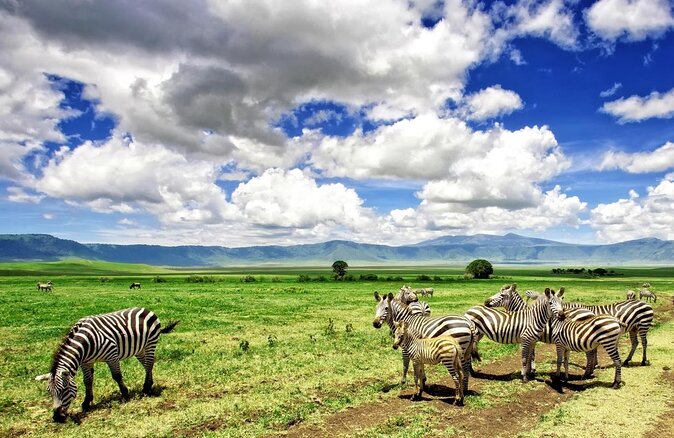
Ngorongoro Crater measures about 19.2 kilometers across and reaches roughly 610 meters deep. Its floor covers about 304 square kilometers. The crater walls create a natural boundary, and many animals live within this enclosed setting.
This is one of the best parts of the itinerary for people hoping to see several major species in a single morning. The big five are present: rhino, lion, leopard, buffalo, and elephant. Their presence is not a promise that you will see all five, but the concentrated setting gives you a strong chance to search for them.
Black rhinoceros is one of the special targets here. Rhino sightings can never be guaranteed, and you should be prepared for a patient search at a distance. The open views across the crater floor can make even a faraway animal rewarding to watch.
The crater also adds birdlife to the safari. Flamingos gather at the soda lake, while geese, storks, and vultures add movement in the air and around the water. The freshwater springs are another important feature, including Ngoitoktok Spring, where you stop for lunch.
A picnic at the spring offers a practical break during the game drive. It also means you are not wasting time leaving the crater for a restaurant. As with the Serengeti lunches, expect a simple outdoor meal rather than table service.
Ngorongoro can feel more concentrated than Serengeti, but that does not mean it is always easy. Animals still move, hide, and blend into their surroundings. The crater’s size is large enough that a six-hour drive can pass quickly, especially if your guide is stopping to explain birds, mammals, vegetation, and behavior.
What the private 4×4 changes
The private vehicle is one of the most useful features of this trip. A custom-built safari vehicle is designed for elevated viewing and open sightlines, which is important when you are looking across grassland or trying to photograph a distant animal.
A private setup also gives your group more say in the rhythm of the drive. You can spend longer at a lion sighting if everyone agrees, ask for more explanation, or move on when the group is ready. It is still subject to park rules and the guide’s judgment, but it is more personal than joining a large shared vehicle.
The maximum group size is seven. That is not the same as having the vehicle to yourself as a couple, so ask about the group arrangement if space is important to you. For friends or a family, seven can be a practical limit that keeps the trip social without making it feel like a large coach tour.
The driver-guide combination is central to the experience. Strong guides such as Ismael and Albert have been praised for animal knowledge and safe driving, while chefs including John and Mtumishi have received praise for keeping meals plentiful and enjoyable. These details matter on a camping safari because the quality of the day depends on more than the animals.
Camping, meals, and the practical side of the trip
Camping equipment is supplied, including tents, sleeping mats, and camping furniture. Two breakfasts, two lunches, and two dinners are included, along with park fees, fuel, and the guide.
The food has been a particularly strong part of the experience. The safari has included cooks such as John and Mtumishi, and meals have been described as a welcome surprise after long drives. You should still think of this as camp cooking, not a restaurant tour, but the food service helps make the basic accommodation more comfortable.
The main thing to understand is the physical pace. Day one is about nine hours, day two about eight hours, and day three about six hours. Those figures include transfers, stops, and game viewing, but they still point to early mornings and plenty of time seated in the vehicle.
Bring patience, sun protection, and a willingness to spend long periods watching and waiting. Most people can participate, according to the activity information, but the schedule will suit you best if you are comfortable with camping and early starts.
Pickup is offered in Arusha, and the activity ends back at the meeting point. The tour is available from January 1, 2025, through January 7, 2026, with the listed opening time shown as Monday from midnight to 1:30 a.m. Because that time display is unusual for a safari departure, confirm your actual pickup time before the trip.
How good is the $1,200 price?
At $1,200 per person, this is not a bargain-basement safari, but the package includes several costly elements. Park fees, a private 4×4, fuel, camping equipment, an English-speaking guide, and six included meals reduce the number of extra charges you face during the trip.
The value is strongest for someone who wants to see both Serengeti and Ngorongoro in a short period. Booking each park, vehicle, guide, meals, camping equipment, and entry fees separately would require more planning and may not save money.
The value is weaker if you prefer comfort over coverage. The price does not include flights, visa, insurance, tips, laundry, or communication costs, and the accommodation is camping. If you want a lodge with a private room and a relaxed schedule, compare this with a higher-priced lodge safari before booking.
The 97 percent recommendation rate and 4.9 rating from 34 ratings suggest strong satisfaction, especially with guides, food, organization, and the price-to-experience balance. I would treat that as encouraging rather than as a guarantee. Wildlife sightings vary, and a three-day itinerary cannot control the weather, animal movement, or road conditions.
Who should book this safari?
I would recommend it to first-time safari visitors who want the classic combination of Serengeti and Ngorongoro without arranging the details themselves. Families can also find it appealing, since children have enjoyed seeing lions, zebras, and other animals while guides answered their questions.
It is a good fit for couples and friends who value wildlife over accommodation. The private vehicle, small maximum group size, and included meals make the trip easier to manage than an independent camping plan.
I would hesitate if you dislike long drives, early breakfasts, or basic camping. I would also suggest a longer safari if your main goal is to spend several days in the Serengeti, follow a particular migration route, or allow more time for photography.
Cancellation is free if you cancel at least 24 hours before the local start time. Cancellations or changes made less than 24 hours before departure are not accepted for a refund.
FAQ
Where does the safari start and finish?
The safari starts in Arusha, Tanzania, with pickup offered. The activity ends back at the meeting point.
How long is the safari?
The experience lasts approximately three days. The itinerary allows about nine hours on day one, eight hours on day two, and six hours on day three.
What parks are included?
The safari includes Serengeti National Park and Ngorongoro Crater.
Is the safari private?
The safari uses a private 4×4 custom-built vehicle, and the maximum group size is seven travelers.
What wildlife might I see?
The itinerary lists lions, leopards, elephants, cheetahs, buffalo, zebras, wildebeest, eland, wild dogs, gazelles, crocodiles, and black rhinoceros. Ngorongoro Crater is also home to the big five.
Is camping equipment included?
Yes. Tents, sleeping mats, camping furniture, and other camping equipment are included.
Are meals included?
Breakfast, lunch, and dinner are included as specified in the package. The inclusions list provides two breakfasts, two lunches, and two dinners.
Are park fees included?
Yes. National park fees, fuel, and an English-speaking driver-guide are included. International flights, a Tanzanian visa, tips, personal expenses, and travel insurance are not included.
Should you book it?
Book this safari if you want a compact, wildlife-focused introduction to northern Tanzania and you are happy to trade lodge comfort for a private vehicle, included camping gear, and a busy schedule. The mix of Serengeti predators, Ngorongoro rhinos, flamingos, springs, and Olduvai Gorge gives you more than a simple animal-spotting trip.
Skip it if you need a slow pace or polished accommodation. For the right kind of visitor, though, $1,200 buys a well-filled three days, with the guide, cook, vehicle, park access, and camping arrangements doing much of the hard work for you.
More Tarangire and Serengeti Safaris in Arusha
- Tarangire National Park: Guided Day Tour from Arusha
★ 5.0 · 11 reviews - Arusha: Tarangire National Park One-Day Trip
★ 3.9 · 8 reviews - Private Guided Day Trip in Tarangire National Park
★ 5.0 · 5 reviews
More Volcano National Park Tours in Arusha
- 4 Day Ngorongoro Crater Tarangire and Serengeti National Park
★ 5.0 · 44 reviews
Newest park tours we have reviewed in Arusha
- 3days Serengeti National park and Ngorongoro Crater Tanzania Safari★ 5.0 · 21 reviews
- The Amaizing Private Day Trip to the lovely Arusha National Park★ 5.0 · 5 reviews
- Private Guided Day Trip in Tarangire National Park★ 5.0 · 5 reviews
- Arusha National Park: Private Jeep Tour★ 4.8 · 9 reviews
- 6 days 5 nights safari Ngorongoro, Serengeti and Tarangire National Parks★ 5.0 · 39 reviews
- Arusha National Park Day Trip★ 4.5 · 18 reviews
- Day Trip to Kilimanjaro National Park★ 5.0 · 20 reviews
- Tarangire National Park: Guided Day Tour from Arusha★ 5.0 · 11 reviews
Arusha National Park Tours, compared.
3 Day Serengeti National Park & Ngorongoro Crater Camping Safari
Read our review →
4 Day Ngorongoro Crater Tarangire and Serengeti National Park
Read our review →
6 days 5 nights safari Ngorongoro, Serengeti and Tarangire National Parks
Read our review →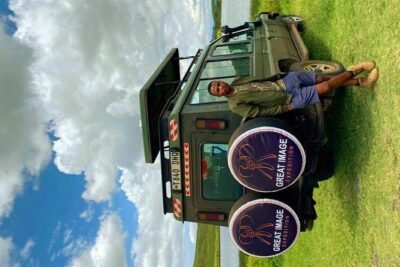
3days Serengeti National park and Ngorongoro Crater Tanzania Safari
Read our review →