
Reviewed · THAILAND NATIONAL PARK TOURS
Phuket: Elephant Nature Reserve Entry Ticket and Guided Tour
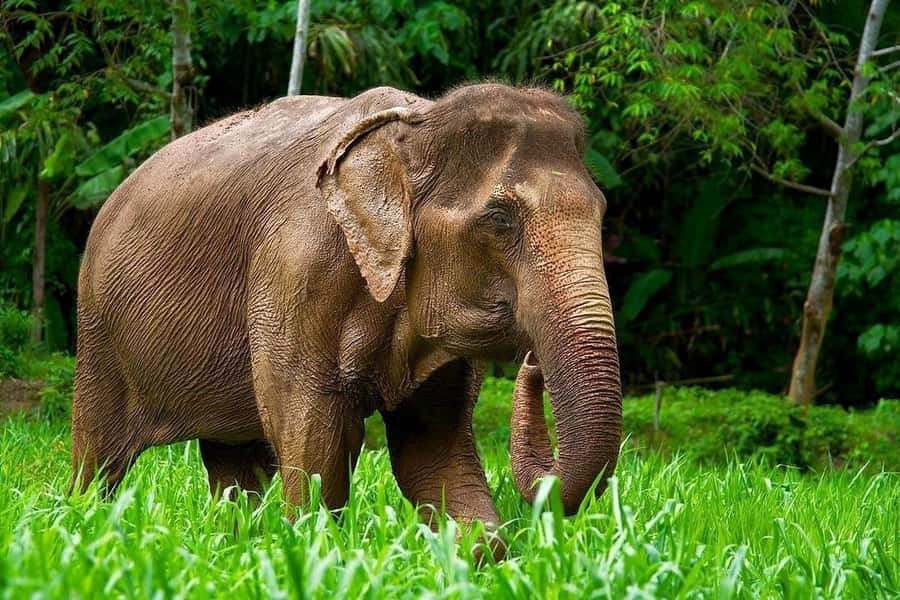
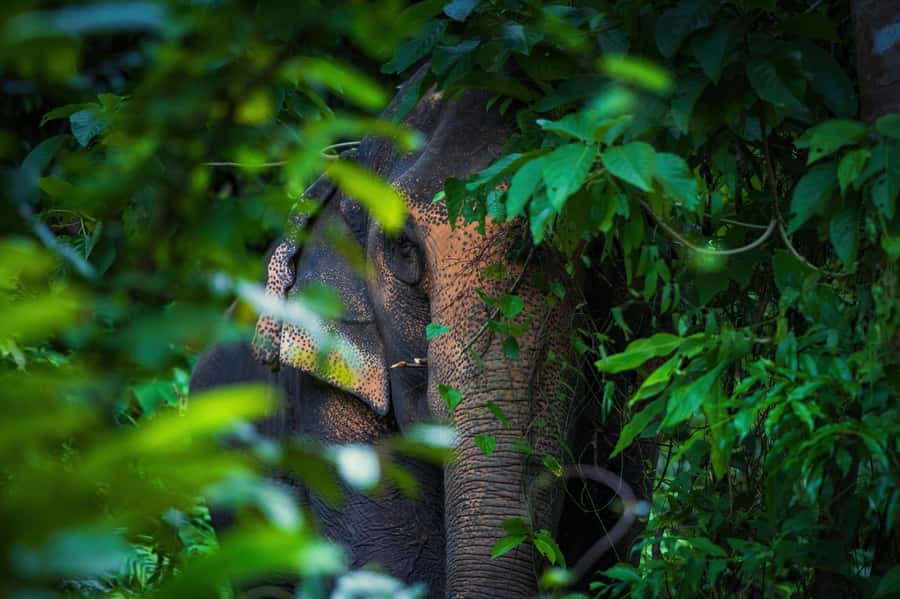
Phuket Elephant Nature Reserve puts the welfare of its rescued elephants before the usual tourist tricks. You prepare food, watch the animals eat, and follow a guide who explains their routines, personalities, and pasts. There is no riding, bathing, or touching, which is exactly what a responsible elephant visit should look like.
I like the calm setting and the chance to see elephants choose their own movements rather than perform on command. I also like the practical food preparation, including chopping fruit and vegetables, because it gives you something useful to do without turning the animals into photo props. Guides such as Tom and Mike have been praised for clear, friendly explanations.
The main consideration is simple: this is a quiet observation visit, not a hands-on animal show. If you expect to wash, hug, or hand-feed an elephant, you may find the 90 minutes restrained. That restraint is the point.
What makes this elephant visit different
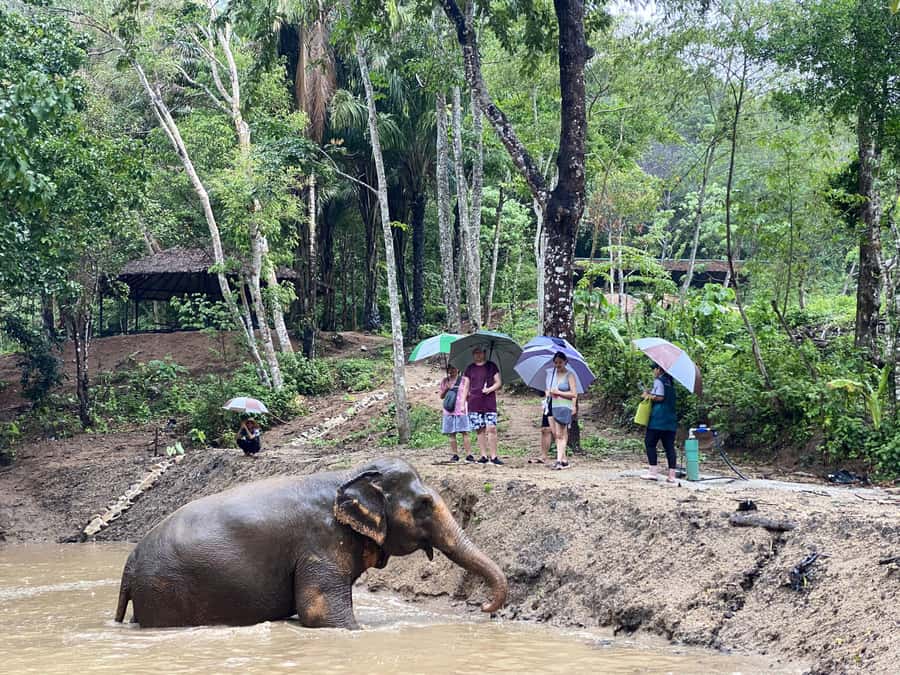
- No touching, riding, or bathing: You watch the elephants at a respectful distance and avoid activities that can cause stress.
- Food preparation is part of the visit: You may chop and arrange fruit and vegetables before the elephants eat.
- Each elephant has a story: Guides explain rescue backgrounds, individual quirks, and differences between the animals.
- Natural behavior comes first: The elephants are free to move around the reserve rather than being made to perform.
- A useful 90-minute length: The visit fits well into a Phuket day without taking over your schedule.
- On-site refreshments: You can stop at the cafe before or after the tour, with views toward the reserve.
Arriving at Phuket Elephant Nature Reserve
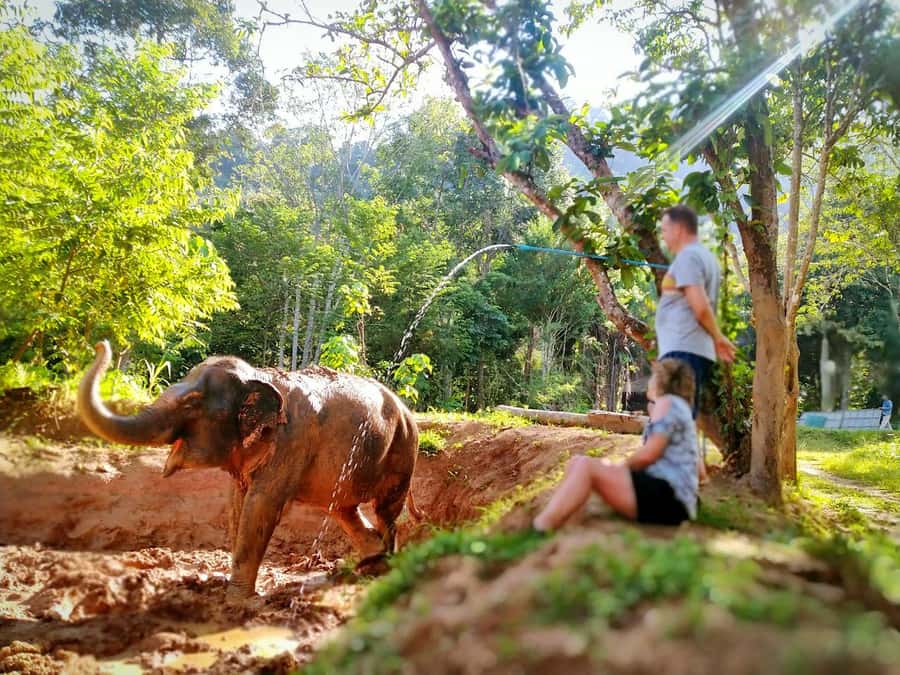
You make your own way to Phuket Elephant Nature Reserve and meet the guide next to Hug Me Cafe. This matters because transport is not included, so you need to plan your route before setting out. The activity begins and ends at the same meeting point.
The reserve offers several starting times, but you need to check availability when booking. That flexibility can help you fit the visit around a beach morning, an afternoon outing, or another Phuket plan. I would arrive early enough to find the cafe and meeting point without rushing. The cafe also gives you a place to get a drink or snack before the tour begins.
The reserve is not suitable for wheelchair users. You should also expect an outdoor setting, uneven walking surfaces, and exposure to sun. Comfortable shoes, a hat, and sunscreen are not decorative packing suggestions here. They will make the short visit far easier.
More Wildlife and Elephant Encounters in Thailand:
- Hua Hin: Kui Buri National Park Wild Elephant Watching
★ 4.4 · 139 reviews - Phuket Elephant Nature Reserve Ethical Sanctuary
★ 5.0 · 50 reviews - Miami: Everglades National Park Airboat Tour & Wildlife Show
★ 4.5 · 7,296 reviews
The briefing explains the rules
The tour starts with an introduction and a briefing before you meet the elephants. This is an important part of the experience, not filler before the photographs. The guide explains how to behave around large rescued animals and why the reserve does not allow riding, bathing, or physical contact.
The rules may feel strict if you are used to animal attractions built around close interaction. They also make the encounter calmer. You are not asking an elephant to pose, accept a bath, or respond to a stream of hands. Instead, you learn how to stand, watch, and let the animal decide where to go.
An introductory video may be shown, although one visitor had trouble seeing it because of a lost Wi-Fi connection. That sounds like a minor practical weakness rather than a reason to skip the activity, but it is worth knowing that the presentation may not be the most polished part of the visit.
The stronger teaching comes from the guide’s live commentary. Guides explain the elephants’ rescue backgrounds and point out personality differences. One guide may be especially funny, while another may focus more on detail, but the English-language tour is built around direct explanation rather than a silent walk past the animals.
Preparing food instead of performing tricks
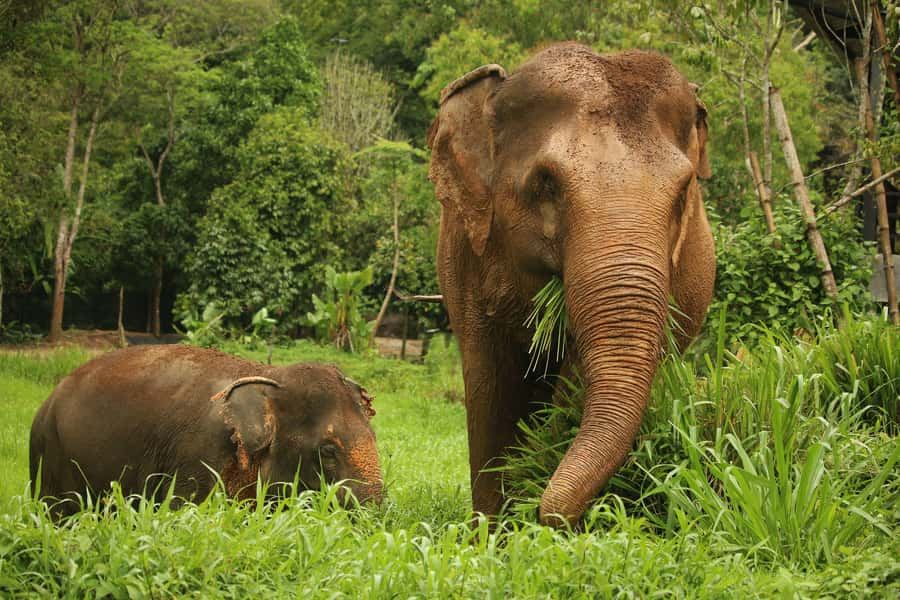
The food activity gives the visit a clear focus. You help prepare fruit and vegetables, then offer the food according to the reserve’s rules. Several accounts describe chopping food and placing it on a large tray, buffet style, so the elephants can eat without being pressured into hand-feeding.
This distinction matters. The activity is advertised as meeting and feeding elephants, but you should not expect to hold food out to an elephant or reach toward its mouth. The reserve’s approach keeps a safe gap and allows the animal to choose when and how to eat. You still take part, but you are not directing the elephant’s behavior.
I like this arrangement because it turns feeding into a lesson about care. You see the work involved in preparing a meal, then watch the animals handle different foods in their own ways. Families with children may find this more meaningful than a quick photo beside an elephant, though younger children need to listen carefully to the guide.
The elephants are not presented as identical attractions. Guides describe individual characters and habits, and the difference between a baby elephant and larger adults can be fascinating to watch. One account describes a group of four females, including a baby. The exact animals you see can vary, but the emphasis on individual lives is part of what gives the visit its emotional weight.
Watching elephants in a calm setting
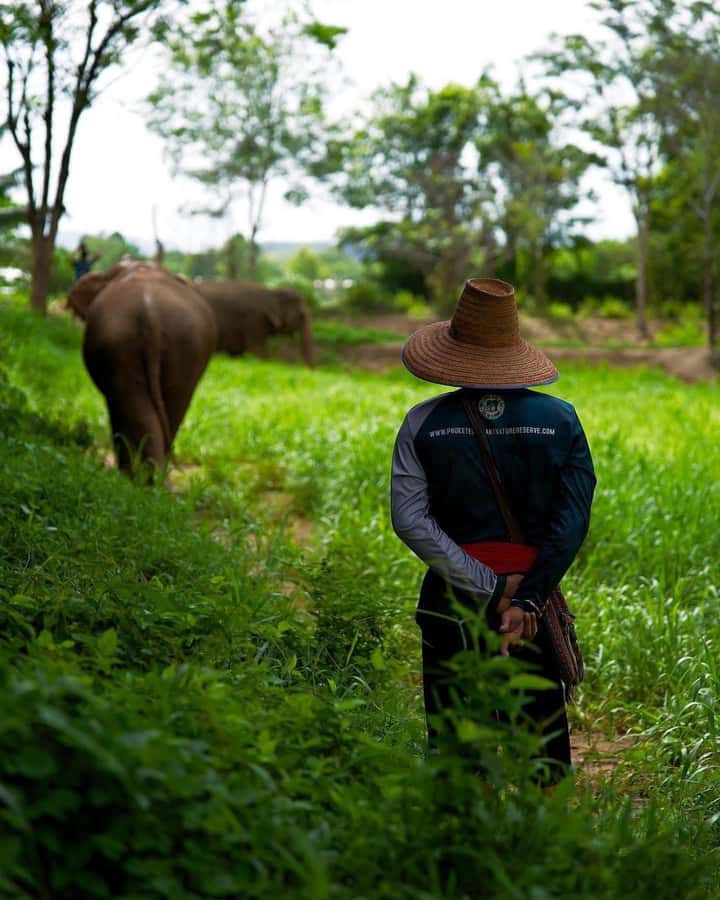
After the food preparation, the tour continues with observation around the reserve. You may walk along tracks near the elephants, while staff maintain the necessary distance and keep the encounter orderly. The animals can move around the wooded sanctuary rather than being tied in place for a photograph.
The setting includes natural water ponds and other water features. You may also see an elephant enjoying a mud bath, but this is observation only. You are not bathing the elephant, and you are not invited to touch it. That can sound less exciting than a hands-on package, yet it offers a more honest look at how the animals spend their time.
The best moments here are likely to be quiet ones. An elephant eating, walking, or resting can seem less dramatic than a staged command, but the absence of a performance tells you something important. You are seeing an animal in a setting designed around its needs, within the limits of a visitor experience.
You should keep your camera ready, but do not build the whole visit around getting the closest possible picture. The reserve allows good photo opportunities while keeping the animals at a small distance. That distance protects both sides. It also leaves you with photographs of elephants behaving like elephants, not props.
More Entry Tickets in Thailand:
- Khao Yai National Park Full-Day From Bangkok – Including Ticket
★ 4.5 · 523 reviews - Chiang Mai: Doi Inthanon National Park with Ticket & Lunch
★ 4.7 · 251 reviews - Krka National Park – All Sites – Entry ticket
★ 4.3 · 1,098 reviews - Plitvice Lakes National Park Admission Ticket
★ 4.0 · 832 reviews
Why the no-touch rule matters
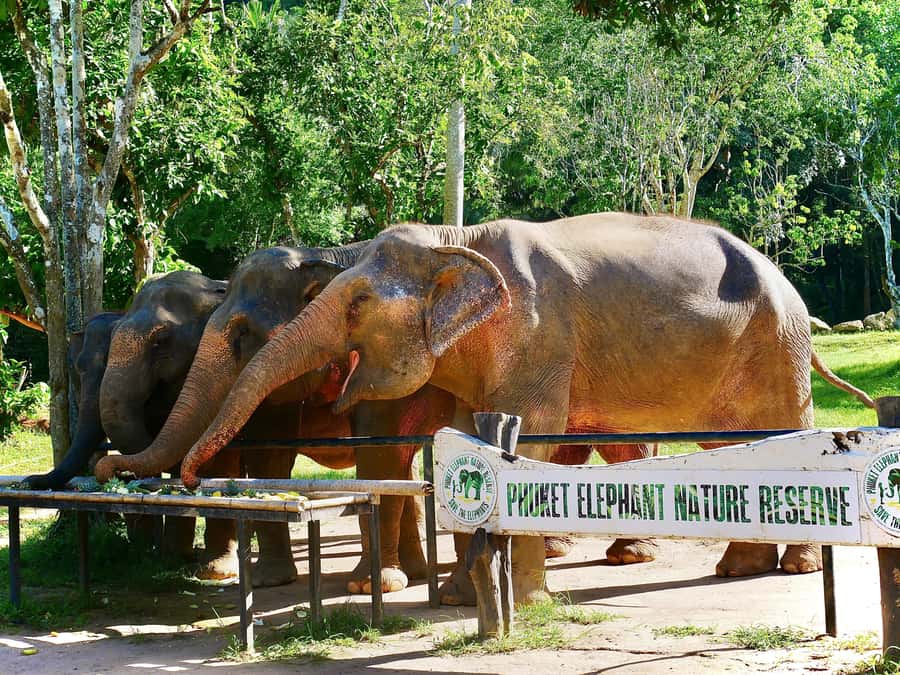
The most praised feature of this visit is the clear refusal to treat elephants like oversized domestic pets. No chains, rides, baths, or touching are part of the experience described here. The guide explains why physical contact and forced activities can distress elephants, which gives the rules a clear reason rather than making them feel arbitrary.
An ethical label is only useful when you can see what it changes. Here, it changes the rhythm of the visit. You observe instead of command. You prepare food instead of staging a trick. You allow the elephant to approach the food on its own terms. Those details make the reserve’s welfare message visible.
The reserve is described as accredited and sustainable, and the activity is presented as a way to support rescued elephants. You should still understand what your money buys. The $37 price covers entry, the guide, the elephant meeting, and feeding activity. It does not include transport, food, or drinks.
For that price, I see solid value if you want an educational wildlife visit rather than a high-action attraction. You get a guide-led introduction, food preparation, elephant observation, and time for photographs in about 90 minutes. The cost is less attractive if your main goal is a long visit or a full-day sanctuary program, since this is a compact entry experience.
What the guide adds to the visit
A good guide is central here. Without explanation, you would see large animals eating and walking. With a guide, you learn why the reserve avoids certain activities and how the elephants came to live there.
Tom is praised for being friendly and explaining the visit clearly. Mike is praised for introducing the elephants and describing their individual characters. Other guides are described as patient, cheerful, and able to make the information easy to follow. These names may not be guaranteed for your time slot, but they show the personal style this activity aims for.
The guide also helps you read what you are seeing. A baby elephant may eat differently from an adult. One animal may show a distinct habit or temperament. The staff can point out these details, so you are not left guessing at the meaning of every movement.
The English tour is the stated language. If everyone in your group is comfortable with English, the commentary should add real value. If not, the animal viewing remains accessible, but you may miss some of the rescue stories and welfare explanation.
Is 90 minutes long enough?
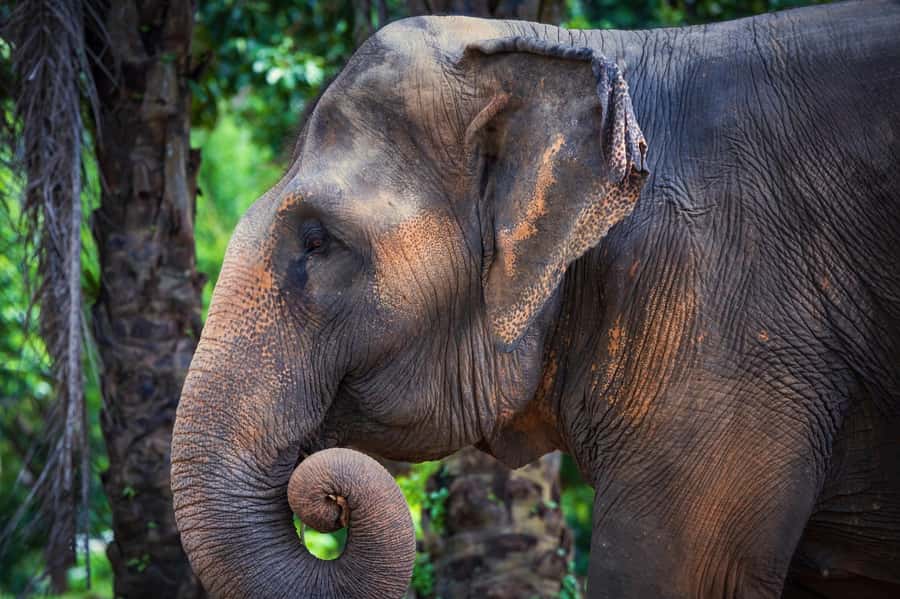
For most people, 90 minutes should be enough for this particular format. The visit includes the briefing, meeting the elephants, preparing food, feeding, walking through the reserve, and observation near the ponds. You are not spending hours waiting for an animal to appear.
Families may appreciate the shorter format. A family with children aged 10 and 12 found the length manageable, with time for several activities. Younger children may need reminders to stay calm, follow instructions, and avoid expecting direct contact.
The short duration also limits the sense of a full sanctuary day. You will not have unlimited time to sit and watch every elephant. The pace depends on the group, guide, and animals, and the animals’ needs come first. That is a fair trade for a welfare-first visit, but you should choose another format if you want a long, slow afternoon at the reserve.
After the tour, the on-site cafe provides a simple place to cool down. You can buy a drink or snack, and the cafe offers views toward the elephants in their surroundings. Food and drinks are not included in the ticket, but the cafe can make the visit easier to fit into a day out.
Who will enjoy this experience most?
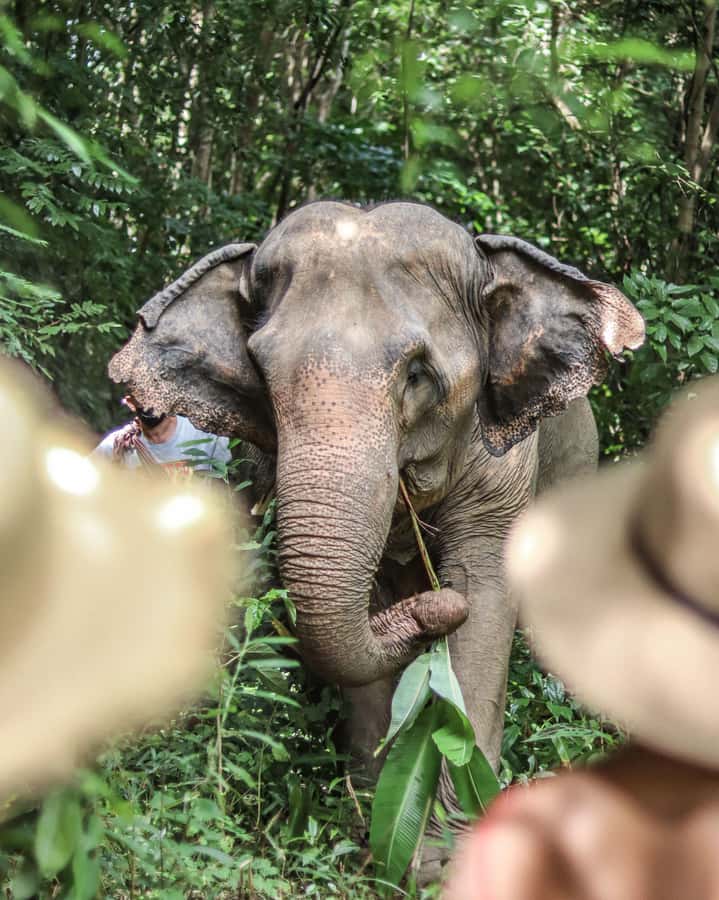
I would choose this activity for someone who wants to support an elephant reserve without taking part in direct-contact activities. It suits couples, families with older children, and first-time visitors who want a clear introduction to ethical elephant care.
It is also a good match if you value explanation. The guide’s comments about rescue stories, personalities, and daily routines give the visit more substance than a quick photo stop. You leave with a better sense of why riding and bathing are not harmless entertainment.
You may want to reconsider if you need wheelchair access, dislike walking outdoors, or want a fast sequence of activities. The reserve is not suitable for wheelchair users, and the experience is deliberately calm. There is no promise of a particular elephant, guide, or dramatic behavior.
You should also check the meeting details carefully. There is no included transportation, so getting to the reserve is your responsibility. The meeting point is next to Hug Me Cafe, and the activity returns there at the end.
Booking value and practical details
At $37 per person, the ticket is fairly priced for a guided 90-minute visit with entry included. The strongest value comes from the reserve’s clear welfare policy and the educational work of the guide. You are paying for access, supervision, food preparation, and interpretation, not for a guaranteed photo stunt.
The free cancellation policy allows you to cancel up to 24 hours ahead for a full refund. You can also reserve now and pay later, which helps if you are still arranging a Phuket schedule. Starting times depend on availability, so check the slot before you build the rest of your day around it.
Wear shoes you can walk in, bring a hat, and use sunscreen. Leave room in your schedule for a drink at the cafe if you arrive early or want to cool off afterward. Since the tour ends where it starts, it is easy to continue with your own plans once the visit is over.
Should you book Phuket Elephant Nature Reserve?
Book it if you want ethical observation, clear guidance, and a manageable 90-minute visit. The strongest part is the combination of food preparation and quiet elephant watching, all under rules that reject riding, bathing, and touching.
Skip it if you are looking for a hands-on encounter or a long sanctuary day. You will not get the classic tourist picture of bathing an elephant, and that is a benefit rather than a missing feature. For a responsible Phuket elephant experience at $37, this is a sensible choice, especially for families and visitors who want their money to support care rather than performance.
FAQ
Where does the Phuket Elephant Nature Reserve tour start?
Meet your English-speaking guide next to Hug Me Cafe at Phuket Elephant Nature Reserve. The activity also ends back at this meeting point.
How long does the experience last?
The guided visit lasts 1.5 hours. Starting times depend on availability when you book.
Is transportation included?
No. You make your own way to Phuket Elephant Nature Reserve, and transportation is not included in the price.
Can I touch, ride, or bathe the elephants?
No. The experience does not include touching, riding, or bathing. You observe the elephants and take part in preparing and offering food under the reserve’s rules.
Is the tour suitable for wheelchair users?
No. The activity is not suitable for wheelchair users.
What should I bring?
Bring comfortable shoes, a hat, and sunscreen. Food and drinks are not included, though the reserve has an on-site cafe.
Newest park tours we have reviewed in Thailand
- Chiang Mai: Doi Inthanon National Park & Waterfall Day Tour★ 4.8 · 124 reviews
- Doi Inthanon National Park Private Tour – Full Day★ 5.0 · 65 reviews
- Doi Inthanon National park and 2 hours hiking with private tour★ 5.0 · 12 reviews
- Private Tour 2 Difference Trails Trekking at Doi Inthanon National Park★ 5.0 · 19 reviews
- Private Tour Pha Chor Canyon & Doi Inthanon National Park★ 5.0 · 23 reviews
- Exploring Phang Nga Bay national park with Lunch and Dinner★ 5.0 · 48 reviews
- Phuket Elephant Nature Reserve Ethical Sanctuary★ 5.0 · 50 reviews
- Krabi: Khao Sok National Park & Cheow Lan Lake Boat Tour★ 5.0 · 4 reviews
Thailand National Park Tours, compared.

Doi Inthanon Waterfall and Royal Project Chiang Mai
Read our review →
Doi Inthanon National Park and Pha Dok Siew Trek
Read our review →
Khao Yai National Park Full-Day From Bangkok – Including Ticket
Read our review →
Doi Inthanon National Park, Waterfall & Royal Project Day Tour From Chiang Mai
Read our review →
Lists this park day appears in