Reviewed · ARUSHA NATIONAL PARK TOURS
Arusha: Tarangire National Park Full-Day Wildlife Safari
Tarangire is one of Tanzania’s best one-day safari choices because it gives you two big rewards at once: large elephant herds and a remarkable collection of baobab trees. The Tarangire River draws wildlife during the dry season, while the open savannah makes it easier to scan for giraffes, zebras, buffaloes, lions, and antelope.
I like the private 4×4 setup, which gives you room to stop for animals instead of moving with a large group. I also like the practical package: park fees, food, water, guide, and hotel transport are included. The main drawback is the long road day. You spend roughly four hours in the vehicle, with the drive from Arusha taking about two to three hours each way.
Key points to know before booking
- Elephant country: Tarangire has some of northern Tanzania’s highest elephant numbers, with herds that can reach about 300 animals.
- Baobab-filled scenery: The park’s unusual trees add a strong sense of place to every game drive.
- Private safari vehicle: You travel in a custom-built 4×4, with flexibility to stop when wildlife appears.
- Season matters: July through October is the dry period, when animals gather near the Tarangire River.
- Strong birdwatching: More than 550 bird species are recorded here, including the Masai ostrich.
- Guide quality matters: Peeta received particular praise for his animal-finding skills, storytelling, and willingness to stop for photographs.
Why Tarangire works so well as a one-day safari
Tarangire is a practical choice if you are based in Arusha and have only one free day. You do not need to commit to a longer circuit through several parks. Instead, you get an early start, a full game-viewing session, and a return to Arusha or Moshi before the day is over.
The park is in Tanzania’s Manyara Region, but the access point makes it convenient from Arusha. The drive takes about two to three hours, so this is not a quick outing. Still, the road time is part of the tradeoff for reaching a park with a very different feel from an urban base.
I especially like that Tarangire is not presented as only an animal checklist. The baobabs are a major part of the experience. Their thick trunks and unusual shapes give the park a memorable look, even during quieter stretches when animals are harder to find.
The park also has a clear seasonal rhythm. The Tarangire River holds water all year, and during the dry months from July through October, animals from nearby areas come toward it to drink. That makes the dry season a strong period for concentrated wildlife viewing, though animal sightings can never be guaranteed.
More National Park Day Trips in Arusha
- Day Trip to Kilimanjaro National Park
★ 5.0 · 20 reviews - Arusha National Park Day Trip
★ 4.5 · 18 reviews - Tarangire National Park: Guided Day Tour from Arusha
★ 5.0 · 11 reviews
Leaving Arusha for the Tarangire road
Pickup is from your hotel in Arusha. The day then unfolds in a private 4×4, with the listed transport time adding up to about four hours. The arrival description gives two to three hours for the outward drive, so you should prepare for a substantial morning on the road before the first game drive begins.
That long transfer is worth considering carefully. If you enjoy watching the scenery change from city surroundings to open country, the journey helps set up the park experience. If your priority is spending as many minutes as possible looking for animals, a one-day safari from Arusha will naturally feel less efficient than staying closer to Tarangire.
The vehicle is a custom-built 4×4 rather than a standard car. That matters on a safari because you need a good view from inside the vehicle, along with enough room for food, water, and day-trip supplies. The tour is private, but the exact number of passengers is not stated, so ask about vehicle capacity if space is important to you.
An English-speaking guide accompanies you throughout the day. Peeta is one named guide associated with this experience, and his strengths include good storytelling and trying to locate animals in the places where they are usually found. That second skill is especially useful in a large park, where simply driving around without a plan can waste precious viewing time.
Entering Tarangire National Park
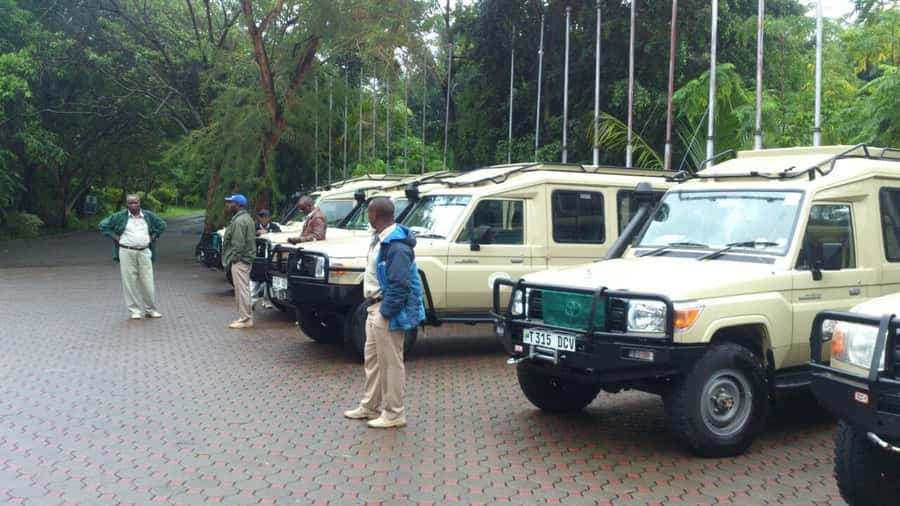
Once you enter the park, the focus changes from road transport to a guided wildlife drive. You have about five hours listed for the guided visit, including time to look for animals, take in the scenery, and stop for your meal.
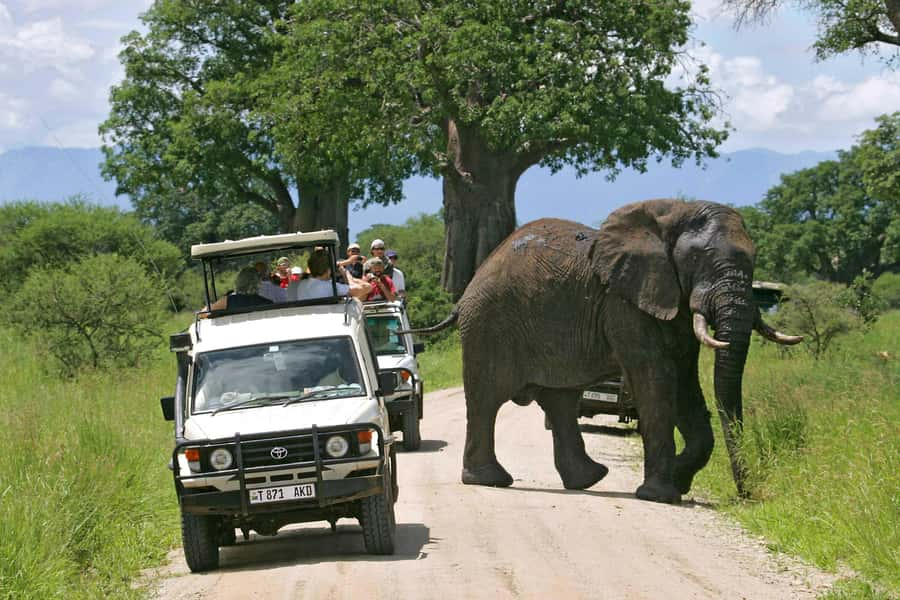
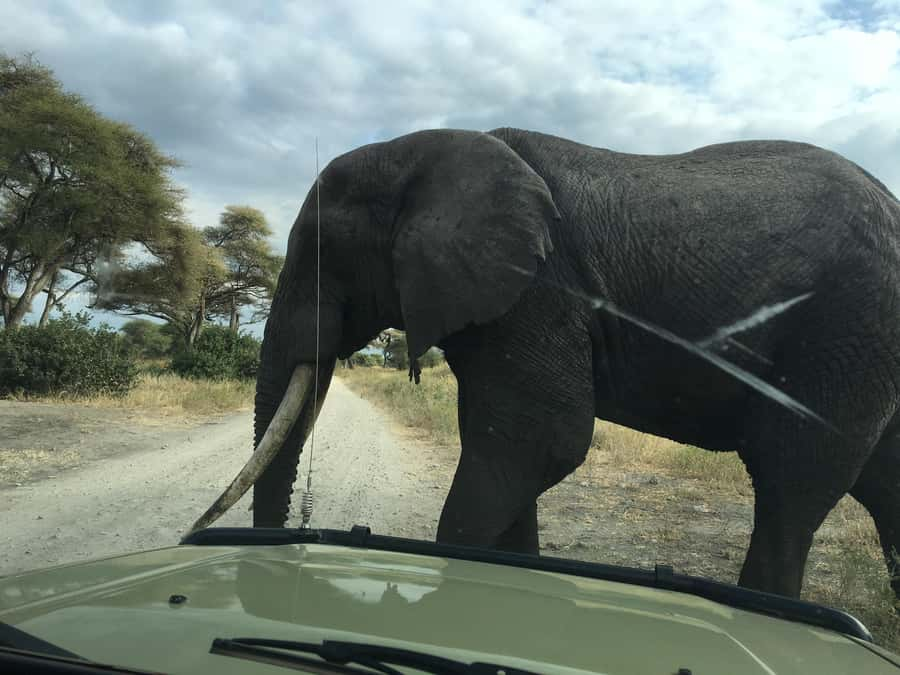
Tarangire’s signature sight is the elephant. The park is known for a high concentration of elephants in northern Tanzania, and herds can reach around 300 animals. That does not mean you will see a herd of that size on every visit, but elephants are one of the park’s strongest reasons to choose it.
Watch how the animals relate to the trees and river areas. The attraction is not just the size of the herd. It is the chance to see elephants moving through a setting shaped by baobabs, open grassland, and seasonal water. Those details make Tarangire feel distinct from a generic wildlife outing.
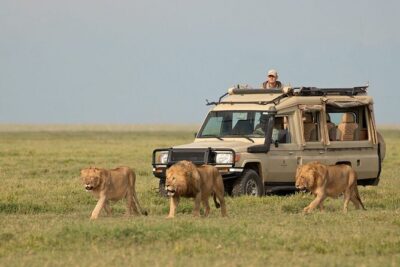
The guide can also help you search for lions, giraffes, buffaloes, wildebeests, zebras, antelope, and gazelles. Wildlife is spread across the park, so your guide’s judgment matters. A good guide will spend time checking areas where animals are likely to gather rather than driving at random.
Baobabs, lions, and the park’s unusual wildlife
The baobab trees are not a minor backdrop here. They are one of Tarangire’s defining features, and they give your photographs a strong sense of location. Even if a particular drive produces fewer animal sightings than hoped, the trees help keep the scenery interesting.
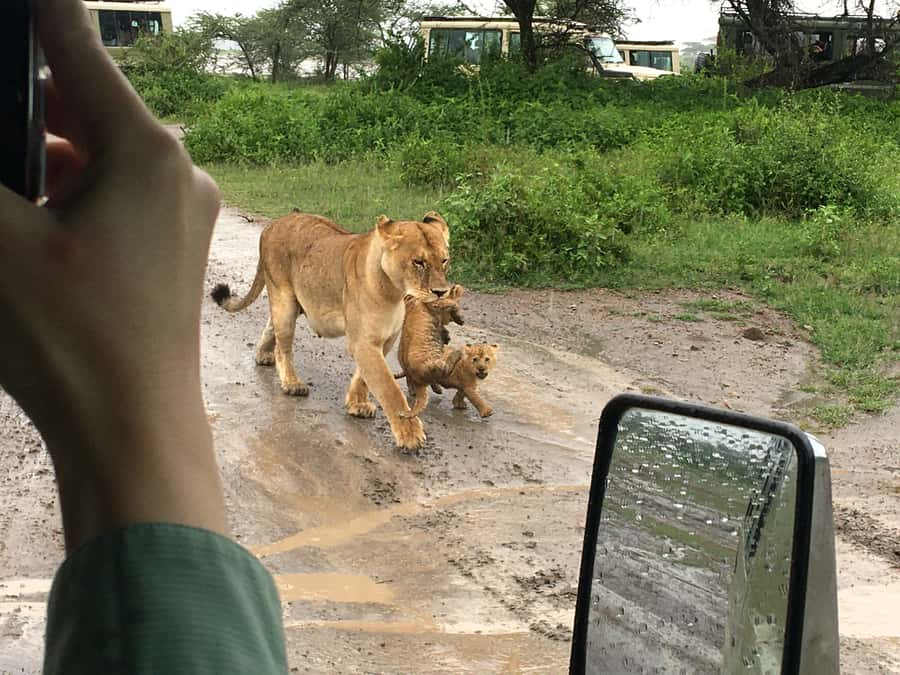
Tree-climbing lions are another local specialty. Seeing one requires luck, and the tour does not promise a sighting. The same is true of rock pythons, which are listed among Tarangire’s notable animals. You should treat both as possible highlights rather than expected stops.
A python sighting would be especially memorable, but large mammals are more likely to shape the main part of your day. Giraffes, buffaloes, zebras, wildebeests, antelope, and gazelles all fit the park’s dry-country setting. Your guide’s ability to read likely animal locations can make the difference between a passing glimpse and a useful stop.
The dry season offers a clear advantage because water becomes a stronger magnet. From July through October, animals from surrounding areas come toward the Tarangire River. If you are choosing dates mainly for wildlife concentration, those months deserve serious consideration.
The tradeoff is that a dry-season safari can be warmer and dustier than a visit during wetter months. The information provided does not specify temperatures or road conditions, so I would ask the operator what to expect for your date. The seasonal point is simple: dry months can improve the odds of seeing animals near water, but nature still sets the schedule.
More National Park Day Trips in Tanzania
- Lake Manyara National Park Full-Day Tour from Arusha
★ 4.5 · 8 reviews - Arusha: Tarangire National Park One-Day Trip
★ 3.9 · 8 reviews - Outstanding day trip to Tarangire National Park
★ 5.0 · 6 reviews - Arusha National Park Half Day Tour
★ 5.0 · 6 reviews
Birdwatching beyond the big animals
This safari also includes birdwatching, which adds value if you enjoy more than the usual lion-and-elephant search. Tarangire is associated with more than 550 bird species, including the Masai ostrich, the world’s largest bird.
Birdwatching rewards patience. You may spend part of a stop noticing birds that would be easy to ignore while searching only for mammals. The English-speaking guide can help identify what you see, though the information does not specify a dedicated specialist bird guide.
For a group with mixed interests, this is useful. One person can focus on elephants and lions while another watches for birds, trees, and smaller wildlife. The park gives you a wider range of things to notice than a simple drive from one large animal to the next.
If birds are your main purpose, ask in advance how much time the guide normally gives to bird identification. The package includes birdwatching, but the five-hour park visit must also cover general wildlife viewing. That makes this a broad safari rather than a bird-only excursion.
A picnic stop in the middle of the day
Around lunchtime, you stop at a suitable picnic place. This breaks up the game drive and gives you a chance to eat before heading out again for afternoon wildlife viewing.
Food is included, along with breakfast, lunch, dinner, and drinking water. For a one-day outing, that is a generous inclusion, although the exact meal schedule is not explained. Since the description specifically mentions a picnic lunch, I would confirm what breakfast and dinner mean for your departure and return times.
A good picnic stop is also useful for your attention span. Wildlife watching from a vehicle for several hours can be tiring, especially after the early road transfer. A pause helps you reset before the afternoon search.
Do not expect a restaurant-style meal inside the park. The information points to a picnic setting, which is exactly what fits this kind of safari. The value is convenience and time saved, not formal dining.
The afternoon game drive and return to Arusha
After lunch, you spend the afternoon looking for more wildlife before leaving the park. This second viewing period matters because animals may be in different places or behaving differently from the morning. It also gives the guide another chance to locate species missed earlier.
The private format is helpful here. One of the strongest details associated with Peeta is the ability to stop when needed. That flexibility lets you spend longer with an interesting animal or pause for a photograph instead of following a fixed large-group schedule.
Before sunset, you return to your hotel in Arusha or Moshi. The exact arrival time will depend on the road, the time spent inside the park, and the day’s starting time. The activity page says to check availability for starting times, so confirm the pickup hour before booking.
This is a full day rather than a relaxed half-day trip. You should be comfortable with a long transfer, several hours in a vehicle, and a return that may leave you ready for a quiet evening. In exchange, you get a complete park visit without adding another overnight stay.
Is $350 per person good value?
At $350 per person, the price is not low, but it includes the major costs that can quickly add up on a safari. You receive hotel pickup and drop-off, a private 4×4, park entrance fees, an English-speaking driver-guide, meals, drinking water, and the wildlife drive itself.
The private vehicle is the key value question. If you are sharing the cost with a small private party, the price becomes easier to justify because you are paying for flexibility as well as transport. If you are traveling alone, the per-person cost will feel much higher than a larger shared excursion.
Park fees are another important inclusion. You do not have to arrange admission separately, and the guide handles the driving and wildlife search. That reduces the number of details you need to manage during a very long day.
I would compare the price based on what is included, not just the headline figure. A cheaper outing may not include the same vehicle, park entry, food, water, or private arrangement. At the same time, you should ask how many people will be in the 4×4, since private group does not tell you the exact group size.
Who should choose this safari?
I would choose this trip if you are staying in Arusha, have one free day, and want a proper national park visit rather than a short local excursion. It suits people who want elephants, baobabs, and a broad mix of wildlife in one day.
It is also a good fit for photographers who value flexibility. The private setup and the ability to stop when you want can be more useful than a rigid group schedule. You still need patience and luck, but you have a better chance of spending time with a sighting that matters to you.
Birdwatchers will find extra interest here, especially because more than 550 species are associated with the park. Families or mixed-interest groups may also appreciate having mammals, birds, trees, and scenery to watch.
I would be more cautious if you dislike long drives or want several relaxed days in one park. The Arusha transfer takes a large part of the day, and the experience cannot guarantee tree-climbing lions, pythons, or any particular animal. Tarangire offers strong possibilities, not a fixed wildlife show.
Wheelchair accessibility is listed, which is useful if it applies to you. Still, ask the provider how the vehicle and park stops are arranged for your specific mobility needs, since the available information does not give further details.
Free cancellation up to 24 hours before the activity and reserve-now, pay-later booking add useful flexibility. These are practical benefits if your Tanzania plans are still changing.
Should you book the Tarangire day trip?
Book it if you want a private, all-in-one safari day from Arusha and place high value on elephants, baobabs, and a guide who can adjust the drive around wildlife. Peeta’s animal-finding approach and flexible stops are meaningful advantages.
Think twice if you want a short outing, a guaranteed lion or python sighting, or a quiet schedule with little time on the road. The best reason to book is not one famous animal. It is the combination of a full park visit, strong elephant country, unusual trees, birdwatching, included costs, and a private vehicle.
FAQ
Where does the safari begin and end?
Pickup is from your hotel in Arusha. The return is to your hotel in Arusha or Moshi before sunset.
How long is the safari?
The activity lasts one day. The drive from Arusha to Tarangire takes about two to three hours, and the guided park visit is listed as about five hours.
Is the tour private?
Yes. The experience is offered for a private group in a custom-built 4×4 vehicle. The exact passenger capacity is not provided.
What animals might I see?
Possible sightings include elephants, lions, giraffes, buffaloes, wildebeests, zebras, antelope, gazelles, tree-climbing lions, and rock pythons. Sightings are not guaranteed.
Are meals and water included?
Yes. The package includes breakfast, lunch, dinner, and drinking water. Lunch is taken at a suitable picnic place during the park visit.
What should I bring?
Bring your passport or ID card. The guide language is English, and the activity also includes birdwatching.
More National Park Safaris in Tanzania
- 3 Days Safari to Serengeti National Park & Ngorongoro Crater in Tanzania
★ 5.0 · 34 reviews - 3 Days Safari Ngorongoro Crater and Serengeti National Park
★ 5.0 · 21 reviews - 3days Serengeti National park and Ngorongoro Crater Tanzania Safari
★ 5.0 · 21 reviews - 4 Days Joined Group Safari Serengeti,Ngorongoro and Tarangire National Parks
★ 5.0 · 18 reviews
More National Park Safaris in Arusha
- 7 Days Tanganyika Wilderness Safari
★ 5.0 · 159 reviews - 3 Day Serengeti National Park & Ngorongoro Crater Camping Safari
★ 5.0 · 142 reviews - Arusha National Park Private Safari
★ 5.0 · 59 reviews - 6 days 5 nights safari Ngorongoro, Serengeti and Tarangire National Parks
★ 5.0 · 39 reviews
Newest park tours we have reviewed in Arusha
- Walking safari & game drive Day trip in Arusha National park★ 4.5 · 2 reviews
- Tarangire National Park Day Trip★ 5.0 · 4 reviews
- 2 Days Tanzania Safari – Lake Manyara and Tarangire National Park★ 5.0 · 3 reviews
- Private Wildlife Encounter at Tarangire National Park★ 5.0 · 3 reviews
- Tarangire National Park★ 5.0 · 2 reviews
- Lake Manyara National Park Full-Day Tour from Arusha★ 4.5 · 8 reviews
- 4 Days Private Arusha National Park, Serengeti, Ngorongoro Tour★ 5.0 · 4 reviews
- Tarangire National Park Day Trip★ 5.0 · 3 reviews
Arusha National Park Tours, compared.
3 Day Serengeti National Park & Ngorongoro Crater Camping Safari
Read our review →
4 Day Ngorongoro Crater Tarangire and Serengeti National Park
Read our review →
6 days 5 nights safari Ngorongoro, Serengeti and Tarangire National Parks
Read our review →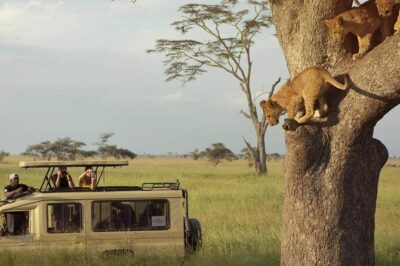
3 Days Safari to Serengeti National Park & Ngorongoro Crater in Tanzania
Read our review →
3days Serengeti National park and Ngorongoro Crater Tanzania Safari
Read our review →