
Reviewed · PARK HIKING AND TREKKING TOURS
Hiking in Seoul : Bukhansan National Park
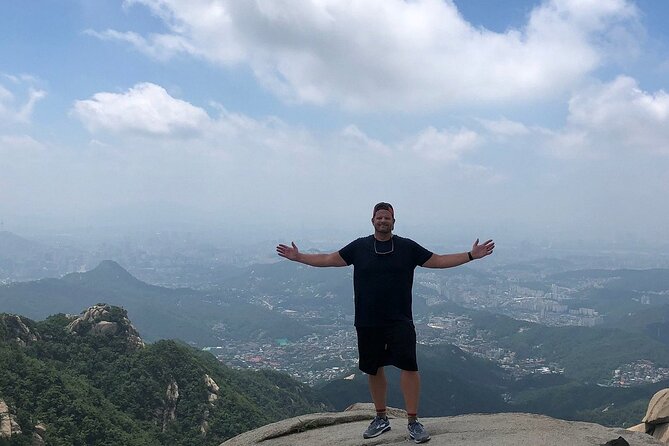
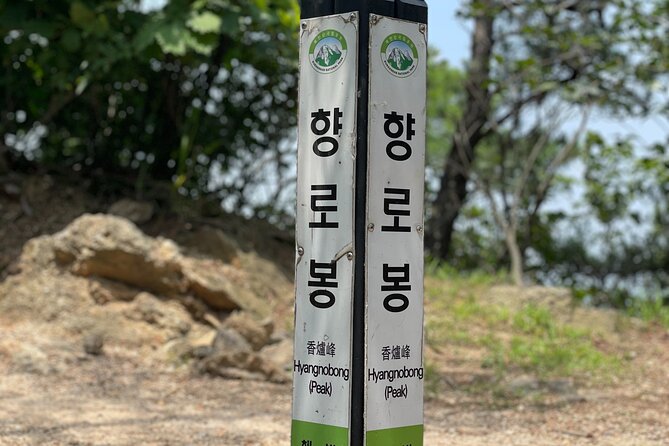
Bukhansan gives you something Seoul rarely has in one neat package: a real mountain hike with granite peaks, rushing streams, Buddhist temples, and broad views over a city of more than 10 million people. The guide chooses between an easier route to Seunggasa Temple and the steeper Bibong path, so you are not locked into one pace.
I like the flexible route choice, especially for mixed-ability groups. I also like the small maximum group of 15, which makes it easier for a guide such as Chance, BK, Juno, Anna, or Gabbie to set a sensible pace and help with photos or walking sticks. The main caution is simple: this is a genuine uphill hike, not a gentle park stroll. Some sections use rocks and steep stairs, and rain can make the trail slippery.
Bukhansan National Park at a glance
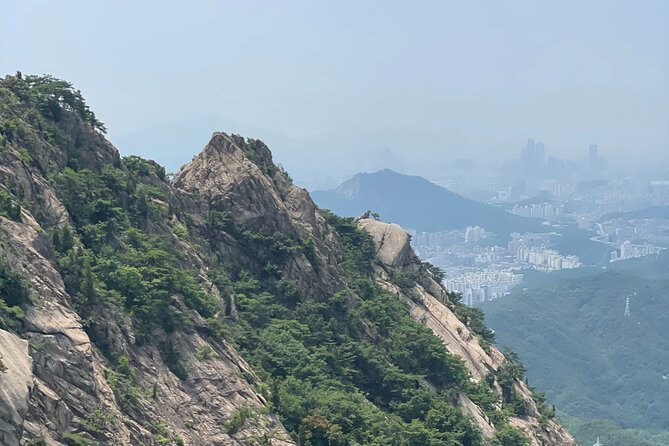
- A proper mountain walk beside Seoul: Granite slopes, narrow paths, streams, and high viewpoints replace the usual city tour for part of your day.
- Two levels of effort: The Seunggasa route climbs about 400 meters. The Bibong path climbs about 560 meters and is narrower and tougher.
- A temple adds cultural interest: Seunggasa gives the walk a Buddhist and local character, not just a workout.
- Guides shape the day: Guides including Chance, BK, Juno, Anna, and Gabbie have been praised for patience, conversation, pacing, and practical help.
- A compact half-day: The advertised duration is about four and a half hours, with a 9 a.m. start at Myeongdong Station Exit 10.
- Plan for the basics: Food and drinks are not included, lunch is not included, and comfortable clothing with proper walking shoes is essential.
Why this mountain matters in a city this large
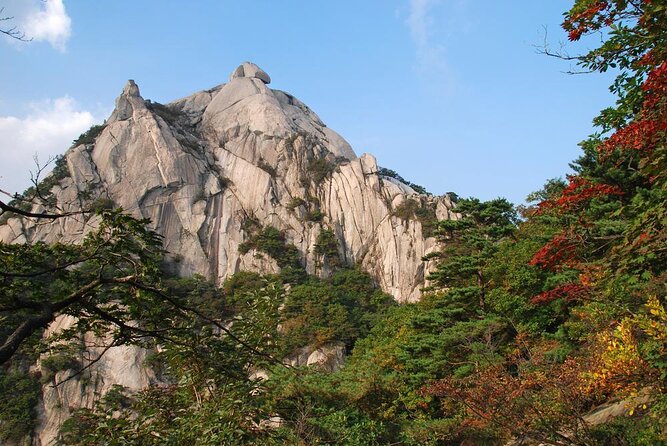
Seoul is famous for palaces, shopping streets, food, and subway lines. Bukhansan shows another side of the capital. The park reaches close to the urban center, yet once the trail rises, the traffic and buildings begin to feel far away.
The mountain is made of granite, which shapes the whole walk. You are not simply following a flat dirt path through trees. You may step over broad rocks, climb stone stairs, and work your way along uneven ground. That gives the hike a more rewarding feel, but it also explains why good shoes matter.
The park’s Buddhist temples add another layer. Seunggasa is not just a break point on the route. It gives you a place to pause, see a working religious site, and understand how close traditional Korean practice remains to modern Seoul. The walk also offers a look at a popular local pastime. Hiking is a serious part of weekend life in Korea, and Bukhansan is one of the capital’s favorite places to do it.
More Park Hiking and Trekking Tours in the world:
- San Francisco: Yosemite National Park & Giant Sequoias Hike
★ 4.5 · 1,777 reviews - Skaftafell National Park: Falljokull Glacier Easy Hike
★ 4.7 · 1,370 reviews - Skaftafell National Park: Falljokull Glacier Advanced Hike
★ 4.8 · 1,083 reviews
Meeting at Myeongdong for the 9 a.m. start
The stated meeting point is Myeongdong Subway Station Exit 10, at 1061-7 Chungmuro 2(i)-ga in Jung District. The tour begins at 9 a.m., and round-trip transport from central Seoul is included.
That arrangement is useful if you are staying around central Seoul and do not want to work out the best combination of subway, bus, and trailhead transport. It also means you can focus on the hike rather than finding your way through an unfamiliar part of the city.
The information also says pickup is offered, but the specific meeting details identify Myeongdong Station as the start and end point. Confirm the pickup arrangement when you book, particularly if you expect hotel pickup rather than meeting at the station.
The group can include up to 15 people. That is not a private outing, but it is small enough for a guide to notice when someone is struggling, set rest points, and keep the group together. Guides such as BK have supplied walking sticks, while Gabbie has been praised for taking extra time to help with practical travel problems. Those small acts can matter when you are tired or trying to manage a busy Seoul itinerary.
Choosing between Seunggasa and Bibong
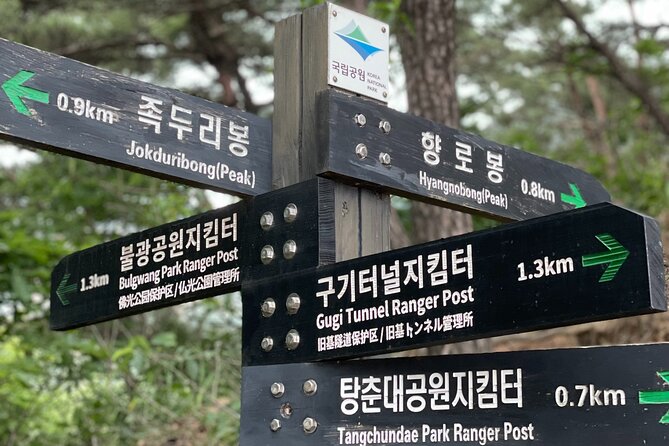
The route choice is the most important feature of this experience. Your guide selects a path based on your group’s ability and preference, so ask clearly at the start how much climbing and time on uneven ground you want.
The Seunggasa Temple route
The climb to Seunggasa gains about 400 meters, or roughly 1,300 feet. It is described as the better choice for beginners, but beginner does not mean flat or effortless.
You should still expect uphill sections, rocks, stairs, and a steady workout. The reward is a route that combines nature with a temple visit. A stop at Seunggasa breaks up the climb and gives you a cultural point of interest instead of asking you to walk uphill only for a viewpoint.
This route may suit you if you hike now and then, want mountain scenery without the hardest option, or are traveling with people who have different fitness levels. It may also be the wiser choice in hot, wet, or uncertain weather.
More National Park Tours in the world:
- Miami: Everglades National Park Airboat Tour & Wildlife Show
★ 4.5 · 7,296 reviews - Chiang Mai: Doi Inthanon National Park Eco-Friendly Tour
★ 4.6 · 6,667 reviews - Clear Kayak Tour of Shell Key Preserve and Tampa Bay Area
★ 5.0 · 5,800 reviews - Tenerife: Teide National Park Sunset & Stargazing Tour
★ 4.2 · 3,812 reviews
The Bibong path
The Bibong route climbs about 560 meters, or roughly 1,835 feet. It follows a narrower trail with a mountain stream on either side, and the extra elevation makes it the more demanding choice.
The route is rewarding for people who want a stronger physical challenge and a higher sense of achievement. It is also the route to think twice about if you dislike steep ground, uneven rocks, or sustained climbing. One person who joined the hike found the terrain too rough to reach the temple, despite still enjoying the walk. That is a useful reminder that the route description should be taken seriously.
Your guide can help match the challenge to the group, but you should be honest about your condition. The stated minimum age is 11, and a moderate fitness level is required. Children aged 10 and under are not a good fit based on the conditions described.
What the trail feels like underfoot
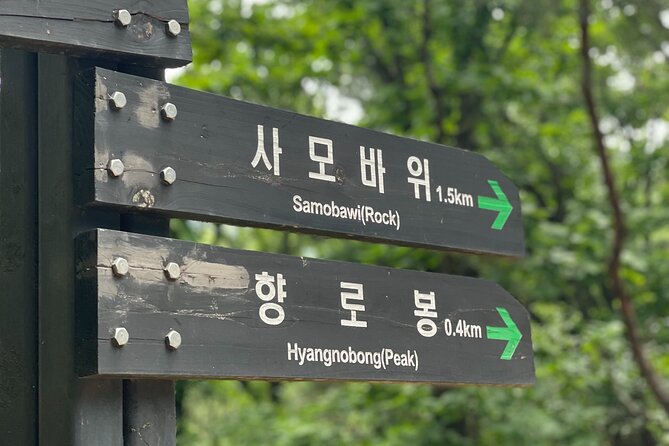
The most useful way to picture this hike is as a mountain ascent with natural steps. Large rocks can serve as stairs, and some parts include steep stone steps or slippery surfaces. You may find the path easy on a cool, dry morning and much harder in rain or summer heat.
The trail brings several kinds of scenery as you gain height:
- Granite mountain slopes and rocky sections
- Gorges and mountain streams
- Buddhist temples and religious details
- Trees and shaded sections
- Open views toward Seoul from higher ground
Rest stops and photo breaks are part of the pace. That matters because the climb is not meant to be a race. Guides have been praised for allowing people to walk at their own speed and for waiting while they catch their breath.
Wear walking shoes with a firm sole. Hiking boots are the safer choice if you have them, especially for wet weather or the Bibong route. Comfortable clothes are required, and you should bring water and a small snack because food and drinks are not included.
In hot weather, expect bugs and mosquitoes. In rainy weather, expect a longer-feeling and more slippery walk. The experience requires good weather, and poor conditions can lead to a different date or a full refund.
The views are the payoff
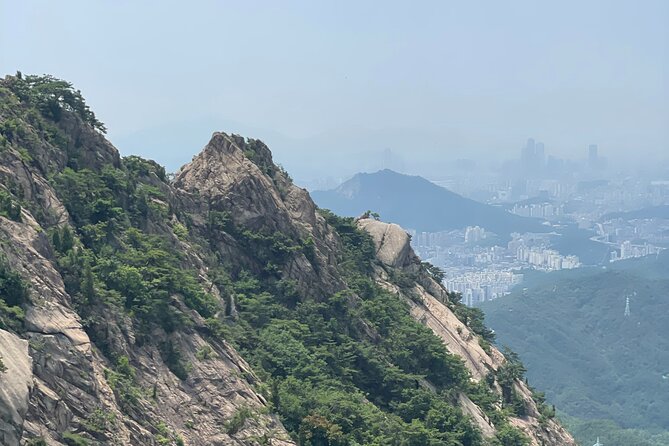
The higher you climb, the more the contrast becomes clear. Bukhansan is a quiet mountain setting, but Seoul remains close enough to shape the view. This is one reason the hike works so well as a city experience. You get exercise and open scenery without giving up an entire day to travel far outside the capital.
The view is not guaranteed to look the same on every visit. Heat, rain, cloud, and seasonal conditions affect how far you can see. Still, the combination of granite rock and a huge city below gives the climb a strong sense of place.
Autumn is likely to appeal most if you want color along the trail. One person who visited in June hoped to return when the leaves were changing. Summer can bring heat and insects, while rainy days can make the rocks slick. A clear fall morning should offer the most comfortable balance, though the tour operates according to conditions and availability.
What your guide adds to the walk
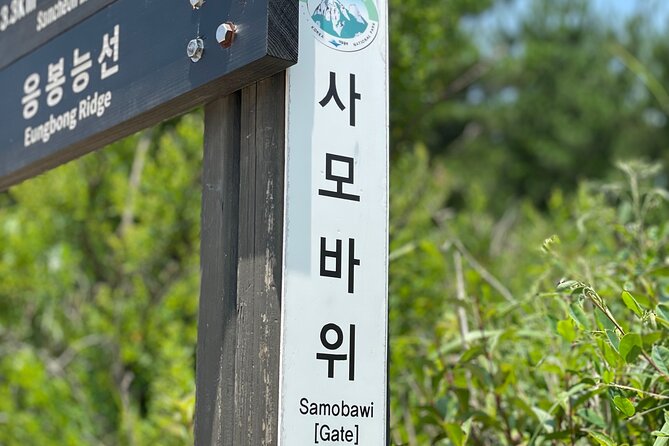
A guide makes the difference here because the experience is not just about reaching a point on a map. A good guide can explain the granite peaks, gorges, temples, and customs around Korean hiking. The guide also judges when to stop, which route fits the group, and how quickly to move.
Several guide names appear in the experience feedback. Chance is especially praised for his conversation and local knowledge, while BK is remembered for fluent English, patience, photographs, and walking sticks. Juno, Anna, and Gabbie are also singled out for friendly support and careful pacing.
Do not assume you will receive a specific guide. Names can change from one departure to another. The useful point is that the guide is central to the tour, especially for a group with mixed abilities.
The group size of 15 keeps this from feeling like a private mountain outing, but it should still be more personal than a large coach tour. If you need frequent breaks or have concerns about the steep sections, say so early rather than trying to keep up silently.
What is and is not part of the package
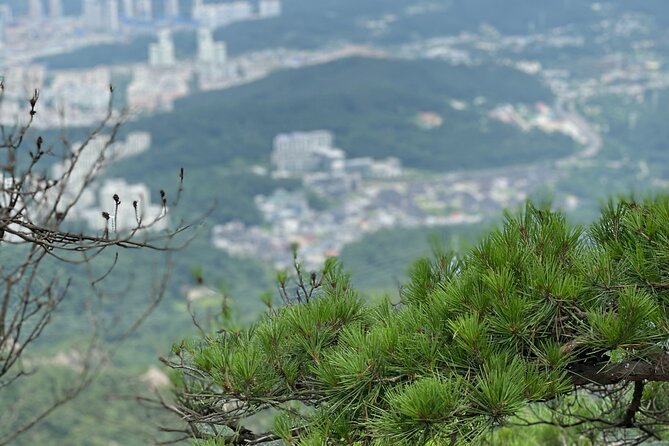
The confirmed inclusions are an English-speaking professional guide and all taxes, fees, and handling charges. Round-trip travel from central Seoul is also presented as part of the convenience of the tour.
Food, drinks, and lunch are not included. That point matters because some accounts of the wider experience mention lunch, a spa, a jjimjilbang, or other stops. These extras are not part of the stated inclusions here, so do not book this hike expecting a meal or spa visit unless the provider confirms an added package.
Some descriptions also refer to Gyeongbok Palace, Jogyesa Temple, hand-crafted art, or a ginseng factory. The specific itinerary supplied for this experience lists Bukhansan National Park as the stop. Treat the mountain hike as the dependable core of the booking, and confirm any palace, shopping, lunch, or spa additions before paying extra.
This distinction protects you from a common travel disappointment: expecting a full cultural circuit when the central product is a guided mountain walk.
Is $142 fair value?
At $142, this is not the cheapest way to reach Bukhansan. The value comes from reducing the planning work and adding a guide who can adjust the route, explain the area, and manage transportation from central Seoul.
I would consider the price reasonable if you want a half-day activity with transport and do not want to research trailheads or judge the route alone. It is less attractive if you already know Bukhansan, have your own hiking equipment, and are comfortable using Seoul’s public transport.
The four-and-a-half-hour format also has value. You can make the hike part of a wider day in Seoul rather than giving up a full day. The tradeoff is that you may not get the long summit day an experienced hiker wants. One person specifically said an all-day hike would be preferable next time.
The rating is listed at 4.8 from 83 reviews, with 95 percent recommending the experience. The strongest praise centers on the scenery, guide support, challenge, and sense of being in nature close to the city. The weaker experiences focus on unclear expectations about the route and add-on activities, not on the basic appeal of Bukhansan itself.
Who should book this hike?
I would recommend it to you if:
- You want an active break from palaces, cafés, and shopping.
- You have moderate fitness and can manage sustained uphill walking.
- You prefer a guide to set the pace and explain temples and mountain customs.
- You are traveling with a mixed group and want route flexibility.
- You want Seoul views without committing to a full-day mountain expedition.
I would hesitate if you want a gentle nature walk, have difficulty on steep stairs or uneven rocks, or are mainly interested in Gyeongbok Palace and Jogyesa Temple. This is also not the right choice if you expect lunch, a spa, or shopping to be included without confirmation.
The minimum age is 11. Comfortable clothes and walking shoes are required, and the activity is near public transportation. Free cancellation is available up to 24 hours before the start time. Cancellations within 24 hours are not refunded, while a weather cancellation offers a different date or a full refund.
Should you book the Bukhansan hike?
Book it if you want to see Seoul from a mountain trail rather than from another palace courtyard. The strongest reason to go is the mix of granite, streams, temple architecture, and city views, all within a compact half-day outing.
Choose the Seunggasa route if you want a manageable introduction to hiking in Korea. Choose Bibong only if you welcome a steeper and narrower trail. Tell the guide your honest fitness level, bring water, and confirm exactly what is included beyond the hike.
For an active first or second day in Seoul, this is a smart choice. It gets you outdoors, gives you a local style of recreation, and leaves enough time for dinner or evening sightseeing. Just remember that beginner-friendly still means a real mountain climb.
FAQ
Where does the tour start and finish?
The stated start and end point is Myeongdong Subway Station Exit 10, at 1061-7 Chungmuro 2(i)-ga in Seoul.
What time does the hike begin?
The stated start time is 9 a.m.
How long does the experience last?
The approximate duration is four hours and 30 minutes. The hiking portion is listed as about four hours.
Is transportation included?
Round-trip travel from central Seoul is included for convenience. Pickup is also offered, but you should confirm the exact pickup arrangement when booking because the stated meeting point is Myeongdong Station Exit 10.
Which hiking route will I take?
The guide chooses a route based on your group’s ability and preference. The easier option climbs about 400 meters to Seunggasa Temple. The more difficult Bibong path climbs about 560 meters.
Do I need to be fit?
Yes. You should have a moderate level of physical fitness. The trail includes uphill sections, rocks, and steep stairs, and some parts may be slippery.
What should I wear?
Wear comfortable clothing and walking shoes. Hiking boots are a sensible choice for uneven or wet sections of the trail.
Are lunch, food, and drinks included?
No. Food and drinks are not included unless specifically stated, and lunch is not included in the listed package.
What happens if the weather is poor?
The experience requires good weather. If the tour is canceled because of poor weather, you will be offered another date or a full refund. You can cancel at least 24 hours before the start time for a full refund.
Newest park tours we have reviewed in the world
- Nairobi National Park –Adventure at City’s Edge Free PickUp★ 4.9 · 8 reviews
- 3D2N Mai Chau – Pu Luong from rice valley to nature reserve★ 4.5 · 11 reviews
- From Banff: Snowshoeing Tour in Kootenay National Park★ 4.9 · 37 reviews
- 5Hrs Nairobi National Park MorningEvening Gamedrive 4×4 Van★ 4.2 · 6 reviews
- 3 Nights 4 Days Chitwan National Park with Tower Night Stay★ 5.0 · 4 reviews
- 3-Hour Shared Game Drive in Pilanesberg National Park★ 4.7 · 38 reviews
- 3 Days Victoria Falls and Full day Chobe National Park★ 3.2 · 3 reviews
- 3-days safari from Dar-es-Salaam to Mikumi National Park★ 5.0 · 8 reviews
Park Hiking and Trekking Tours, compared.
Skaftafell National Park: Falljokull Glacier Easy Hike
Read our review →
Skaftafell National Park: Falljokull Glacier Advanced Hike
Read our review →
Everglades National Park Biologist Led Adventure: Cruise, Hike + Airboat
Read our review →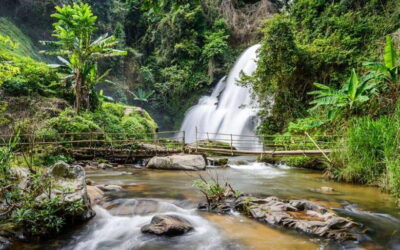
Doi Inthanon National Park and Pha Dok Siew Trek
Read our review →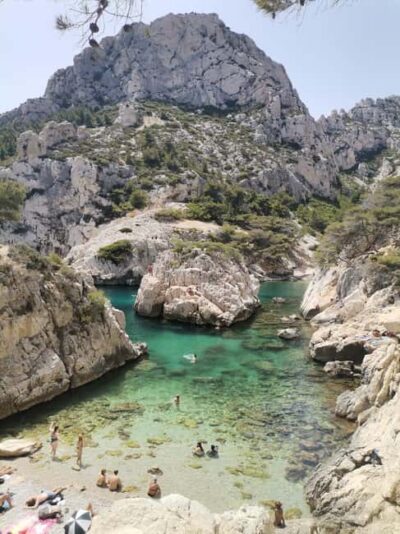
Marseille: Calanques National Park Guided Hike with Picnic
Read our review →
From Marseille: Calanques National Park Guided Hike
Read our review →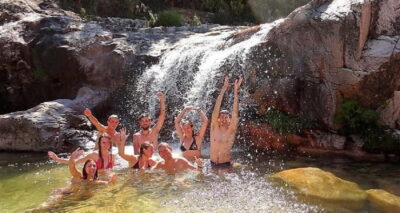
From Kuala Lumpur: Taman Negara National Park Trek Day Tour
Read our review →Lists this park day appears in