Reviewed · BIG ISLAND NATIONAL PARK TOURS
Private Tour: Hawaii Volcanoes National Park Eco Tour
Kilauea is not just something to photograph from a roadside pullout. This private tour gets you close to the volcano’s workings, from steam rising through the ground to the bare floor of Kilauea Iki and the old lava tube beneath the forest. Your guide connects the rocks, plants, birds, geology, and Hawaiian culture into one clear story.
I especially like the private format and the science-led guiding. You can ask endless questions, adjust the pace, and spend more time walking or driving as your group prefers. The other big plus is access to a wide range of park highlights in a short visit, including the coast and Chain of Craters Road.
The catch is that this is not a sightseeing ride where you sit back all day. You will drive between areas and walk several trails, and the $160 price per person does not include the $30 park entrance fee per vehicle. Bring water and snacks, since food options inside the park are limited.
Key points to know before you book
- Private guiding makes the difference: Your group alone joins the tour, with room to shape the visit around hiking, geology, children, or photography.
- Erik, Michelle, Jay, Justin, Chris, and Tyson have all guided this experience: Guide assignment is not guaranteed, but the strongest feedback centers on their science, park, and cultural knowledge.
- The three-hour option gives you a strong park overview: Six hours allows more time for trails, questions, the coast, and less-visited stops.
- You cover both summit and coast: Steam vents, Sulphur Banks, crater views, lava formations, Chain of Craters Road, and Holei Sea Arch are all part of the possible route.
- Eruption viewing depends on nature: Keanakakoʻi Overlook is the best listed viewing point when lava is visible, but no eruption can be promised.
- Plan to bring food, water, and sturdy walking shoes: The experience includes trails and several walks, not only roadside stops.
Why a private Kilauea tour can be worth the cost
At $160 per person, this is much more expensive than entering Hawaii Volcanoes National Park on your own. The park admission fee is separate, and you must arrange your own transportation to the meeting point at the historic Volcano House area.
So why pay for a guide? You are buying interpretation, route planning, and flexibility. Kilauea has plenty to see, but the meaning of a steam vent, pit crater, lava tube, or plant growing beside volcanic gases is not always obvious. A good guide turns scattered sights into a connected lesson.
The private setup matters most if your group has mixed interests. You can ask about geology, native plants, birds, Hawaiian culture, or park history without waiting for a busload of people. Guides can also adjust the balance between walking and driving. One family used the format to accommodate older parents and younger adults, while another group changed plans because of a flight deadline.
The tour can include up to 25 people, although a private group works best when it is small enough for easy conversation. A minimum of two people is required. You select a morning or afternoon preference, then contact the operator after booking to settle on a departure time and discuss your priorities.
More Private National Park Tours in the USA
- One-Day Private Grand Canyon National Park/Sedona tour from Phoenix-Scottsdale
★ 5.0 · 329 reviews - The Narrows: Zion National Park Private Guided Hike
★ 5.0 · 209 reviews - 6 Hour: Premiere & Private Acadia National Park with Lobster Pier
★ 5.0 · 199 reviews
Starting at Volcano House and feeling the heat
The outing begins at 1 Crater Rim Drive, near the Volcano House hotel inside the national park. This is a useful starting point because you are already near several summit-area sights, including steam vents, Sulphur Banks, and trails around the caldera.
At the steam vents, warm vapor rises from cracks in the ground. It is one of the simplest ways to sense that Kilauea is active below your feet. The stop is good for photos, but the real value comes from hearing how groundwater and heat interact beneath the volcano.
Sulphur Banks adds a different lesson. Volcanic gases alter the soil and affect which plants can survive there. You will hear about geochemistry and the ways native plants adapt to this harsh setting. The area is considered safe to explore because gas concentrations are low, but you should still follow your guide and stay on the route.
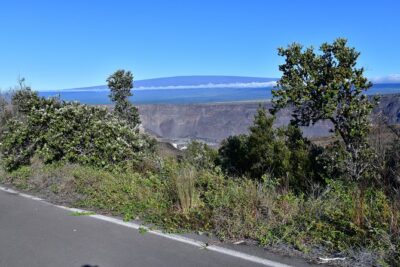
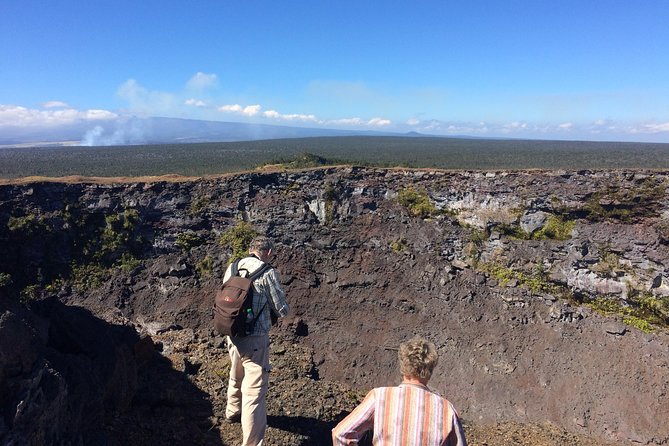
The tour also includes the Halemaumau Trail, where guides discuss the summit caldera, native vegetation, birds, geology, and Hawaiian culture. Conditions at the summit can change, and eruption viewing is never guaranteed, but the caldera remains meaningful even when no lava is visible.
Thurston Lava Tube, a short walk underground
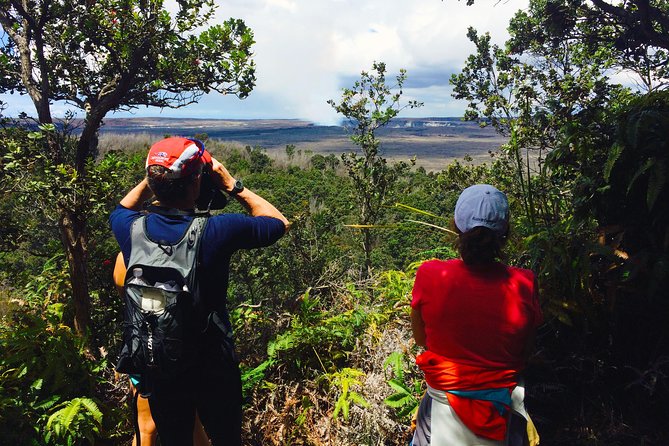
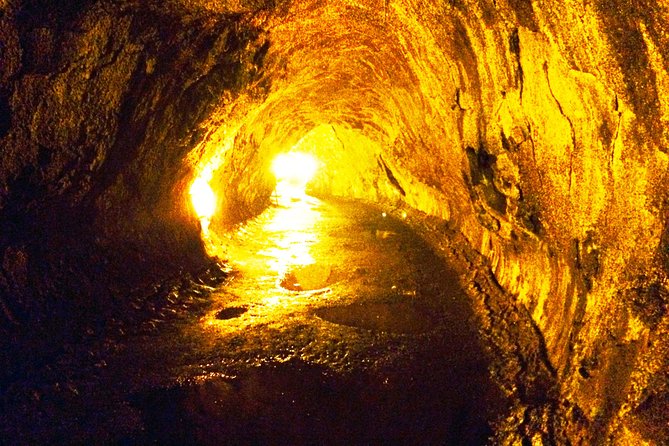
Nahuku, also called Thurston Lava Tube, is one of the easiest memorable stops. You walk through old-growth native forest before entering a lava tube formed roughly 500 years ago.
Inside, your guide explains how flowing lava can harden on the outside while molten material continues moving through the center. When the flow drains away, it can leave a tunnel behind. That explanation makes the tube more than a dark passage. You begin to see how a moving eruption creates underground features.
The listed visit is about 15 minutes, so do not expect a long underground hike. The approach through native forest adds interest, and the stop suits families because it combines a short walk with a very clear volcanic story.
Kilauea Iki and the memory of the 1959 eruption
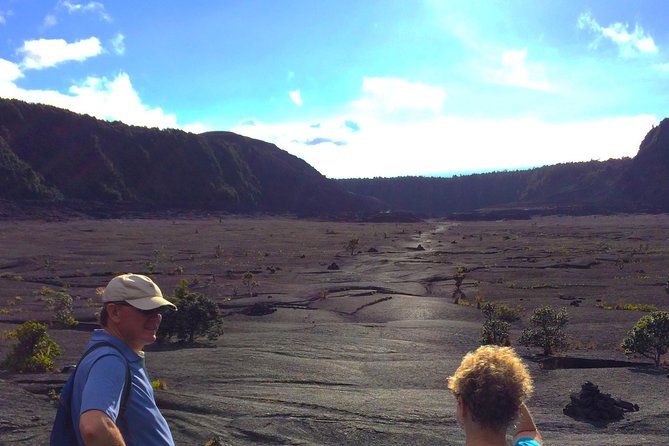
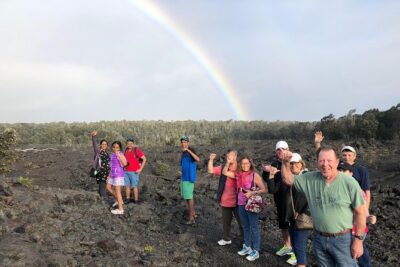
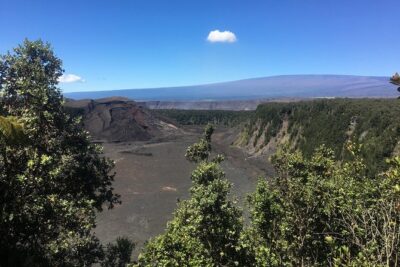
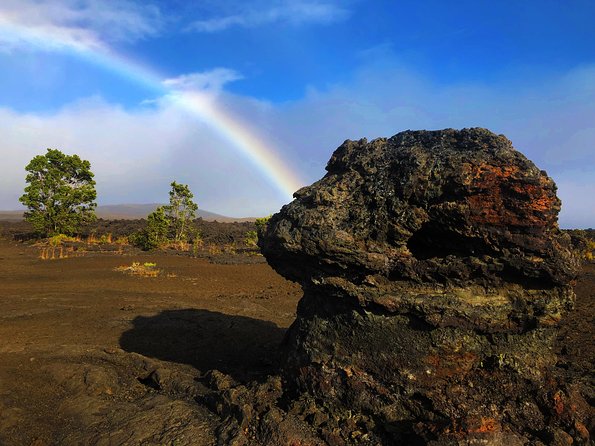
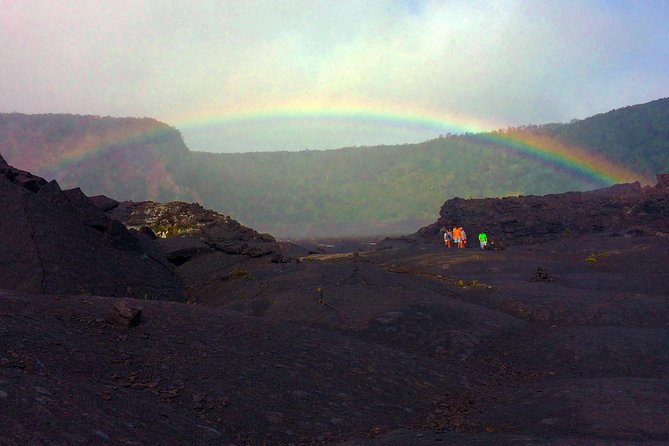
Kilauea Iki Trail crosses terrain shaped by the 1959 eruption. This event produced the highest lava fountains recorded in history, and the guide uses the area to explain how the eruption changed the crater.
The exposed surface can feel stark and otherworldly. You may hear it described as like walking on the moon, which is a fair shorthand for the dark, broken ground and lack of ordinary vegetation in some sections. Still, the best part is not the comparison. It is seeing how quickly or slowly life returns after an eruption.
The listed time at this stop is about 15 minutes, but your actual walking time may vary with the agreed route. If you want a stronger hiking component, tell the operator when arranging your departure. If you prefer short walks with more viewpoints, say that too.
More Volcano National Park Tours in the USA
- Hilo Shore Excursion: Volcanoes National Park & Black Sand Beach
★ 4.5 · 2,338 reviews - Big Island: Fat Tire E-Bike Tour through Volcanoes National Park
★ 5.0 · 546 reviews - Big Island, Hawaii: Volcanoes National Park Safari
★ 4.5 · 545 reviews - Small-Group Big Island Tour: Hawaii Volcanoes National Park and Kona Coffee Farm
★ 5.0 · 343 reviews
Devastation Trail and tiny volcanic treasures
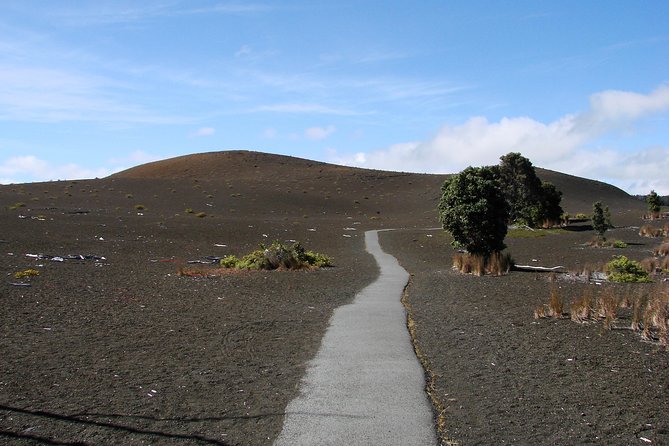
Devastation Trail shows what happened when volcanic debris buried native rainforest during the 1959 eruption. The area gives you a direct view of destruction without requiring a long hike.
Your guide may point out Pele’s tears, small glassy volcanic droplets, along with olivine crystals and other rock forms. These details are easy to miss when you walk alone. I like this stop because it shifts attention from the dramatic crater to the small evidence scattered underfoot.
This is also a good place for children to learn how lava and ash behave. The Junior Ranger program can be collected at the Kilauea Visitor Center, and the guide can help children complete it and receive an official badge at the end of the tour.
Chain of Craters Road and the route to the sea
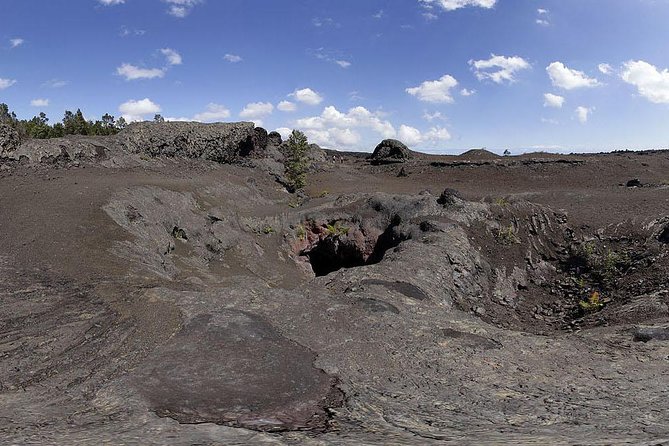
Chain of Craters Road links the summit area with older volcanic features and the coast. It is one of the tour’s longer sections, listed at about 45 minutes, with stops such as Lua Manu and explanations of pit craters.
The drive gives you a sense of how much ground Kilauea covers. It also explains one drawback of this experience: you spend part of the tour in a vehicle. One person found that driving reduced the benefit of having a guide, since some scenery passes by while you are moving. That is a fair concern, especially if you expected a walking tour.
On the other hand, driving is what lets a three to six-hour outing cover both the summit and coastal areas. You can discuss your preferred balance in advance. Groups wanting more walking should request it, while groups with limited time or mobility may value the road-based route.
At the coast, Holei Sea Arch provides an easy walk and a strong photo stop. Your guide can also discuss native seabirds. The coastal section gives the tour a satisfying change of setting after the summit’s steam, forest, and crater terrain.
Keanakakoʻi Overlook and the question of active lava
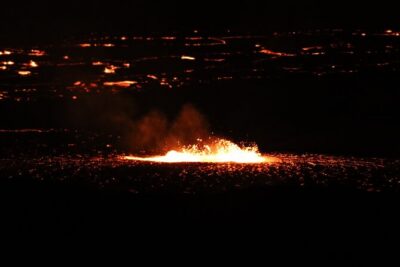
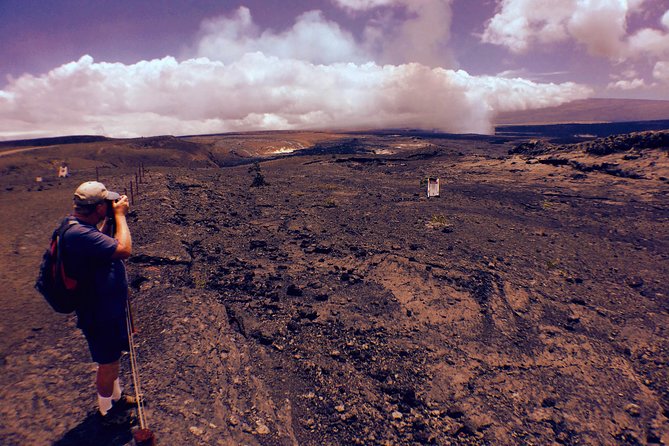
Keanakakoʻi Overlook is listed as the best place to see an active summit eruption when lava is visible. Guides may provide binoculars or spotting scopes, which can help you inspect distant activity.
This is the part of the experience most controlled by nature and park conditions. A private tour cannot guarantee an eruption, open access, or a particular view. The route may also change if seismic activity or park closures affect access.
That uncertainty is not a flaw in the tour, but you should understand it before booking. If lava is not visible, the guide still has plenty to explain, including volcanic gases, eruption history, plants, culture, and the structure of the caldera.
Volcano Art Center and the old Volcano House
The Volcano Art Center Gallery offers a cultural counterpoint to the geology. You can see local art and the original Volcano House hotel, described as the oldest hotel in Hawaii.
This short stop works best as an optional finish or pause. It adds a human side to a day that could otherwise focus only on rocks and heat. If your group is eager to keep hiking, you may prefer to spend the time on a trail. If you want a slower close to the outing, the gallery makes sense.
The Kilauea Visitor Center is another short optional stop. You can pick up park material, local books about the volcano or Hawaiian culture, and Junior Ranger materials for children.
Guides who make the geology easier to understand
The strongest part of this tour is the quality of the guiding. Erik is repeatedly described as engaging with children and adults, able to explain geology, plants, wildlife, Hawaiian life, and culture without making the outing feel like a classroom lecture. His background in geochemistry adds useful detail for people who want more than basic facts.
Jay brings park experience as a retired park ranger and former park worker, along with a strong grasp of Hawaiian culture. Guests with a firm departure time appreciated his ability to adjust the route.
Michelle has been praised for building a customized mix of driving and walking, including quieter areas when the park is crowded. Justin is noted for finding less familiar sights and tailoring the outing to what the group wants. Chris receives especially warm praise for making a six-hour visit fun and educational, while Tyson is described as friendly, personable, and strong on geology, plants, animals, and culture.
You cannot choose a particular guide from the information provided, so treat those names as examples of the guide team rather than a promise. The common thread is an emphasis on explanation, questions, and a personal route.
Timing, fitness, and what to bring
The tour lasts about three to six hours. A three-hour visit gives you a useful overview and can include several summit stops. The longer version is better if you want more trail time, the coast, Chain of Craters Road, and a slower pace for questions.
Most people can participate, but this is not a purely seated activity. Expect walking at steam vents, Sulphur Banks, the lava tube, Kilauea Iki, Devastation Trail, and Holei Sea Arch. Choose footwear suited to uneven volcanic ground and forest paths.
Bring water and snacks. Food and drinks are not included, and the park does not offer many convenient meal choices along the route. One practical approach is to carry a simple meal rather than rely on snack stops.
You also need to arrange transportation to and from the meeting point. Hotel pickup and drop-off are not included. The tour ends back at the starting location.
Who should book this private volcano experience
I would recommend it to first-time visitors who want context, families who need a flexible pace, couples who prefer a private outing, and anyone fascinated by geology or Hawaiian culture. It is also useful if your time at the park is limited and you want someone else to shape a sensible route.
The tour is less appealing if you want to explore entirely alone, dislike driving between stops, or plan to spend a full day on one long hike. The price premium is easiest to justify when you ask questions, want to change the route, or care about seeing details you might otherwise pass without noticing.
Book at least a little ahead if possible. The experience is often reserved well before the visit, with an average booking lead time of about 46 days. After confirmation, contact Kilauea EcoGuides to settle the departure time and discuss your preferred itinerary.
Should you book Kilauea EcoGuides?
Yes, if you want to understand Hawaii Volcanoes National Park rather than simply collect viewpoints. The private format, flexible route, and strong emphasis on geology, plants, birds, and Hawaiian culture give you more than a standard drive through the park.
I would choose the three-hour option for a compact introduction and the six-hour option if this is a major reason for visiting the Big Island. Just budget for the park entrance fee, bring food and water, and accept that lava viewing depends on current conditions. If those points suit you, this is a thoughtful and practical way to see Kilauea.
FAQ
Where does the tour begin?
It begins at 1 Crater Rim Drive in Hawaii Volcanoes National Park, near the historic Volcano House hotel.
Where does the tour end?
The activity ends back at the meeting point.
How long does the tour last?
The tour lasts approximately three to six hours.
Is the tour private?
Yes. Only your group participates in the activity.
How many people are required to book?
A minimum of two people is required per booking.
What is the largest possible group?
The maximum listed group size is 25 people per booking.
Is the national park entrance fee included?
No. The $30 per vehicle national park entrance fee is separate.
Is hotel pickup included?
No. Hotel pickup and drop-off are not included, and you must arrange transportation to and from the attractions.
Can I choose the departure time?
The tour offers morning or afternoon options, but you must contact the local operator after booking to confirm your preferred departure time.
Will I definitely see active lava?
No. Lava viewing at Keanakakoʻi Overlook depends on current eruption conditions.
Are food and drinks included?
No. Food and drinks are not included unless specifically stated. Bringing snacks and water is recommended.
Can children take part?
Most people can participate, and children can take part in the Junior Ranger program. The guide can help complete the program and obtain an official badge.
Is the tour offered in English?
Yes. The tour is offered in English and includes a mobile ticket.
What is the cancellation policy?
You can cancel up to 24 hours before the experience for a full refund.
Newest park tours we have reviewed in the USA
- Fort Pierce: Prehistoric Preserve Kayak Tour★ 5.0 · 2 reviews
- Canyonlands National Park Self-Guided Driving Audio Tour★ 4.5 · 54 reviews
- Full-Day Audio Driving Tour of Arches National Park★ 4.5 · 27 reviews
- Utah Mighty 5 National Parks: Small Group 7-Day Tour★ 4.5 · 7 reviews
- SLC:Grand Teton and Yellowstone National Park Multi-Day Tour★ 3.7 · 7 reviews
- Grand Teton,Yellowstone National Park 3-Day Tour from SLC★ 3.3 · 13 reviews
- 4-Day Salt Lake City, Grand Teton, Yellowstone National Park Tour★ 4.0 · 6 reviews
- Small Group One Day Tour Death Valley National Park and Rhyolite Ghost Town★ 4.5 · 74 reviews
Big Island National Park Tours, compared.

Big Island: Fat Tire E-Bike Tour through Volcanoes National Park
Read our review →
Big Island, Hawaii: Volcanoes National Park Safari
Read our review →
Small-Group Big Island Tour: Hawaii Volcanoes National Park and Kona Coffee Farm
Read our review →