Reviewed · BIG ISLAND NATIONAL PARK TOURS
Guided 3-Hour Hike in Volcanoes National Park
Kīlauea’s crater floor is the star here. In the first mile, you pass steam vents and sulphur deposits, then enter rainforest before reaching the broad volcanic basin below. The route gives you more than a roadside viewpoint: you walk into the crater and see how plants survive in ground shaped by fire.
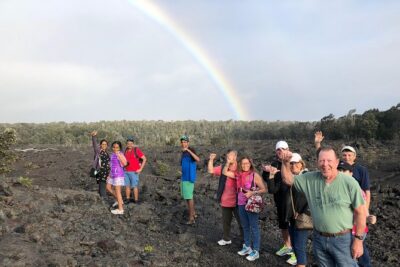
I like the small group of up to 10, which makes it easier to ask questions and keep a steady pace. I also like the practical gear, since backpacks, trekking poles, and jackets have helped past hikers handle wet or changing conditions. Guides Jennifer and Yvonne are especially strong on volcano science, plants, Hawaiian culture, and local legends.
The main caution is the climb. This is a moderate hike with a descent into Kīlauea and an uphill return, so three hours can feel demanding in rain or poor visibility. The lava lake and an eruption are not guaranteed sights, and the park charges a separate $15 entrance fee.
Key points before you book
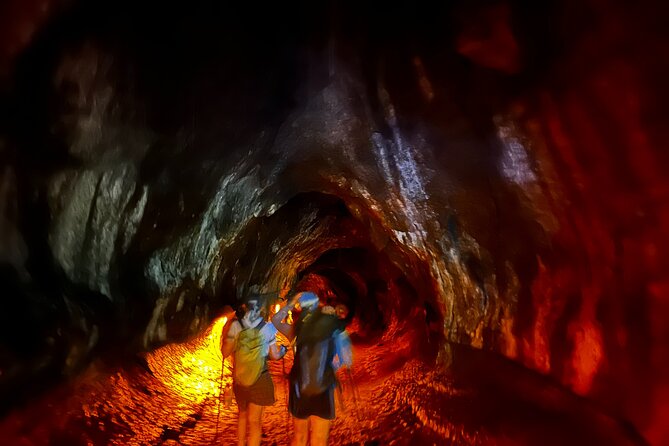
- Walk on Kīlauea’s crater floor: The route takes you below the rim rather than keeping you at a distant overlook.
- See steam vents and sulphur deposits early: The first mile offers close views of volcanic activity and mineral traces.
- Pass through crater rainforest: Look for tree ferns, ohia trees, and honey creeper birds in a place shaped by eruptions.
- Small groups make the guide count: No more than 10 people join the hike, leaving room for questions and conversation.
- Gear is supplied: Backpacks and trekking poles are included, and jackets have been available when conditions called for them.
- Allow for a real uphill finish: You return to the Kīlauea Visitor Center, so this is not a flat walk.
What this Kīlauea hike actually gives you
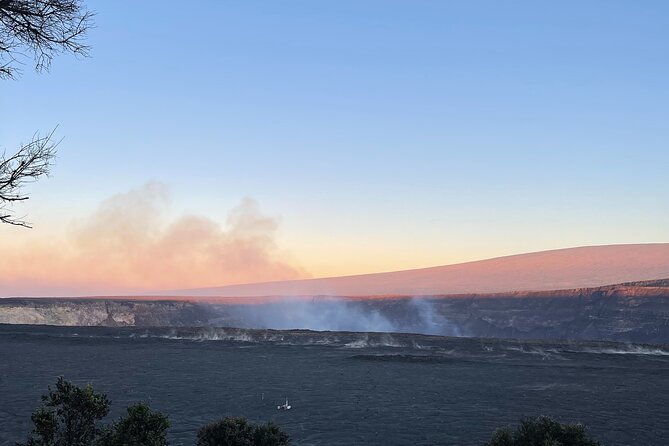
Many visits to Hawaiʻi Volcanoes National Park involve driving the crater rim, stopping at overlooks, and reading signs. This outing changes the scale. You move from the rim toward the crater floor, where the volcano feels less like a distant attraction and more like an active force beneath your feet.
The route lasts about three hours. That is long enough to see several distinct environments without taking over your whole day, but it is not a casual stroll. I would treat it as a moderate half-day activity, especially because the return climb comes after you have already spent time walking downhill.
The tour begins and ends at the Kīlauea Visitor Center on Crater Rim Drive. That simple meeting point is useful if you are already spending the day in the park. You do not need to arrange separate transport from a hotel or another island attraction, and you finish where you started.
The advertised price is $120 per person, before the $15 national park entrance fee. I see reasonable value here if you want a guide who can explain what you are seeing instead of simply leading you along a trail. The price is less compelling if you prefer to walk independently and are mainly seeking a quick viewpoint.
More Park Hiking and Trekking Tours in the USA
- Volcanoes National Park: Guided, Small-Group Hike
★ 5.0 · 15 reviews - San Francisco: Yosemite National Park & Giant Sequoias Hike
★ 4.5 · 1,777 reviews - Everglades National Park Biologist Led Adventure: Cruise, Hike + Airboat
★ 5.0 · 685 reviews
The first mile, steam, sulphur, and signs of heat
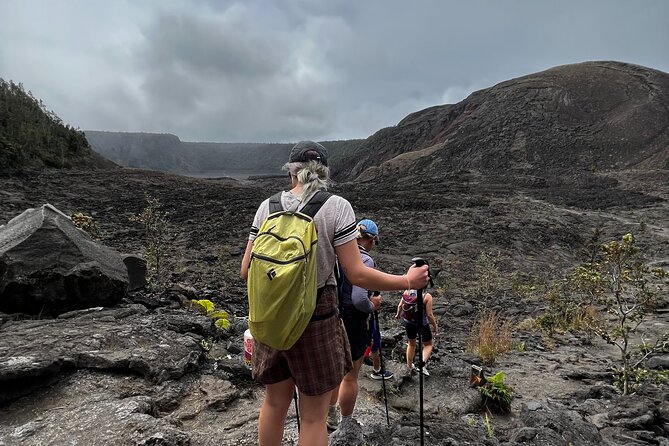
The opening section sets the tone. In the first mile, you encounter steam vents and sulphur deposits, remnants of the volcanic activity that gives Kīlauea its force and character.
Steam vents can look quiet, but they are a useful reminder that volcanic ground is not ordinary ground. Sulphur deposits add color and texture, while the guide explains the features around you. This is where Jennifer or Yvonne can turn a strange-looking patch of earth into a readable part of the volcano.
I would stay close to the guide here and resist rushing ahead for photographs. The route’s value comes from understanding what you are looking at, not simply collecting a picture of steam. The guide also helps put changing volcanic conditions into context, which matters in a park where what you see can vary from one visit to the next.
The first section may be especially good for families with older children who ask plenty of questions. One family described the outing as fun and full of useful lessons about volcanoes. Still, the physical demands remain real, so the youngest members of your group should be comfortable with a moderate hike.
Rainforest inside a volcanic crater
After the volcanic opening, the trail moves into rainforest. That shift is one of the most interesting parts of the route. You are not walking through a single scene of black rock and steam. You also see tree ferns, ohia trees, and birdlife, including honey creepers.
The plants are not just decoration. The guide points out how flora survives in the crater’s unusual conditions, giving you a better sense of how life returns and adapts after volcanic change. Jennifer has been praised for explaining the park’s plants, and that focus can make this section much more rewarding than a walk with only geological commentary.
The rainforest may also provide a break from the stark open crater. It gives the hike a changing rhythm: volcanic deposits, forest, then the open crater floor. I like that variety because it keeps the three hours from becoming a single repeated view.
Rain is a genuine possibility. One outing took place in wet weather from start to finish, yet the guide’s preparation and explanations still made the walk worthwhile. You should expect the scenery to look different in rain, with less distant visibility and more slippery footing, but the weather does not erase the geological interest.
Reaching the Kīlauea crater floor
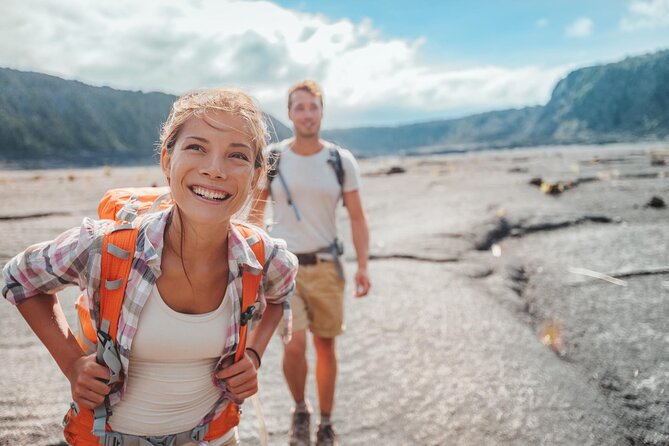
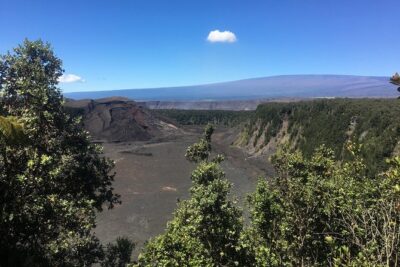
The descent is the physical and visual heart of the tour. Reaching the bottom of Kīlauea gives you a perspective that a rim overlook cannot provide. The crater walls rise around you, and the scale of the volcanic basin becomes easier to grasp.
Walking on the crater floor is also the moment when the route feels most distinctive. You are not simply looking into a crater. You are standing within it, with the guide explaining the ground, the volcano’s activity, and the forces that shaped the area.
The supplied trekking poles matter here. They can steady you on the descent and help on the uphill return, particularly if the surface is uneven or damp. Backpacks are included as well, and jackets have been provided by the guide when needed. Those touches reduce the amount of equipment you need to bring, though you still need suitable hiking clothes and footwear.
Do not plan this as a gentle sightseeing walk. The description calls for moderate fitness, and the route descends and climbs back out. If you are comfortable with a sustained uphill walk, the distance should be manageable. If hills are difficult for you, the crater floor may be less important than the effort required to reach it.
More Volcano National Park Tours in the USA
- Hilo Shore Excursion: Volcanoes National Park & Black Sand Beach
★ 4.5 · 2,338 reviews - Big Island: Fat Tire E-Bike Tour through Volcanoes National Park
★ 5.0 · 546 reviews - Big Island, Hawaii: Volcanoes National Park Safari
★ 4.5 · 545 reviews - Small-Group Big Island Tour: Hawaii Volcanoes National Park and Kona Coffee Farm
★ 5.0 · 343 reviews
The lava lake and the limits of volcanic sightseeing
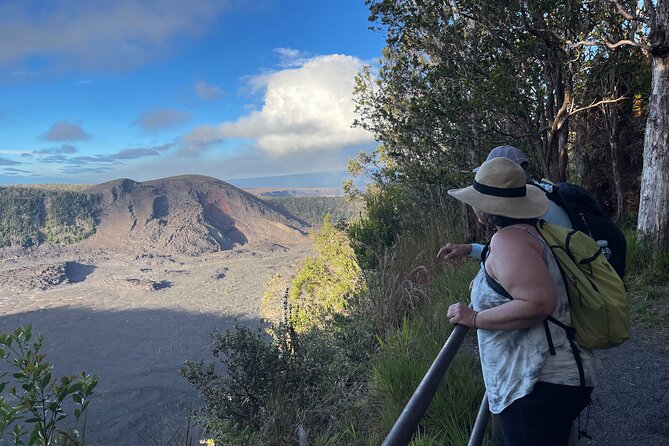
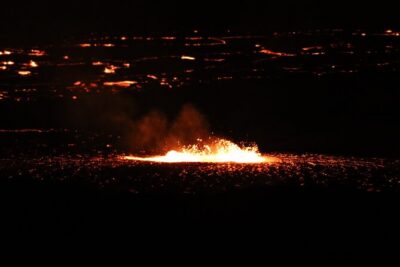
The tour description presents the Kīlauea lava lake as a major sight, and a possible eruption is part of the appeal. This is the thrilling promise of the outing, but it needs a little caution. Volcanic activity changes, and an eruption is described as something you may see if fortune and conditions allow, not something guaranteed at your start time.
That uncertainty is not a flaw in the tour. It is simply part of visiting an active volcano. You should book this for the crater walk, the steam vents, the forest, and the guide’s explanations. Treat a visible lava lake or eruption as an extra rather than the only reason to go.
One outing took place just a few hours before a small Kīlauea eruption, which shows how quickly conditions can change. That timing would be exciting, but you should not assume the same sequence on your date.
The guide also helps you appreciate the area when the headline sight is not available. In rainy weather, with no eruption visible, the outing can still focus on volcanic features, plants, birds, Hawaiian stories, and the crater itself.
Views toward Mauna Loa and the return to the rim
Near the end, the route opens to views of Kīlauea and Mauna Loa in the distance. The combination gives you a sense of the Big Island’s volcanic scale. Kīlauea provides the immediate drama, while Mauna Loa adds a larger presence beyond the crater.
Visibility will shape this part of the walk. Clear weather should give you the strongest views, while rain or cloud may limit what you see. That is another reason to value the full route instead of judging the outing by one final panorama.
The return to the visitor center is part of the workout. You finish at the same Kīlauea Visitor Center where you began, but you must climb out before the tour ends. I would keep some energy in reserve rather than treating the descent as the hard part.
The guide’s pace and support are important here. A group of no more than 10 can move together more easily than a large bus group, and you can ask for clarification or a short pause if needed. The tour is led in English, so you should be comfortable following spoken explanations in English.
Guides Jennifer and Yvonne add the human side
The strongest part of this activity is its guiding. Jennifer has been singled out for her clear explanations of volcanoes, park history, Hawaiian culture, plants, animals, and legends. She is also described as organized, friendly, and a good communicator.
Yvonne receives similar praise for explaining the features along the trail and making the route easy to understand. The guides are not only there to prevent you from missing the path. They help connect the physical setting with Hawaiian stories and the natural processes at work around you.
That matters because volcanic terrain can be visually impressive but hard to interpret on your own. A steam vent, sulphur patch, or plant growing from crater ground means more when you know why it is there. The guide gives the walk a sense of place without turning it into a lecture.
The group limit is a practical advantage. With up to 10 people, you still have a personal setting, though it is not a private hike. If you want a completely quiet walk at your own pace, a guided group may feel restrictive. If you want explanations and help with the route, the small size is a good compromise.
Who should book this three-hour hike
I would recommend this outing to you if you want an active way to experience Hawaiʻi Volcanoes National Park and prefer interpretation over a quick stop at an overlook. It suits adults, families with capable older children, and anyone interested in geology, plants, Hawaiian culture, or changing volcanic conditions.
You should have a moderate fitness level and be ready for both a descent and an uphill return. Trekking poles help, but supplied gear does not remove the need for sturdy walking shoes and sensible clothing.
The $120 fee makes the most sense when you use the guide’s expertise. You are paying for a small group, a licensed guide, equipment support, and access to a crater-floor route with explanations along the way. Remember to add the $15 park entrance fee to your budget.
Free cancellation is available if you cancel at least 24 hours before the start time. If poor weather or an insufficient number of bookings cancels the outing, you can receive a different date or a full refund. Changes made less than 24 hours before the start time are not accepted, and late cancellations are not refunded.
Should you book it?
Book this hike if walking into Kīlauea matters more to you than simply seeing it from the road. The crater floor, steam vents, rainforest, and small-group guiding create a fuller visit, and Jennifer or Yvonne can add useful detail about plants, volcanoes, Hawaiian culture, and local legends.
Skip it if you want a flat walk, guaranteed lava, or a short viewpoint stop. The eruption and lava lake are uncertain, rain can affect the views, and the climb out requires moderate fitness. For an active park visit with strong interpretation and practical support, this is a worthwhile choice.
FAQ
How long is the guided Kīlauea hike?
The hike lasts approximately three hours.
Where does the tour begin?
It begins at the Kīlauea Visitor Center in Hawaiʻi Volcanoes National Park, at 1 Crater Rim Drive, Volcano, Hawaii 96785.
Where does the activity end?
The hike ends back at the Kīlauea Visitor Center, the same place where it begins.
How much does the tour cost?
The listed price is $120 per person. The national park entrance fee of $15 per person is not included.
Is park admission included?
No. You must pay the separate $15 Hawaiʻi Volcanoes National Park entrance fee.
How many people can join the hike?
The group has a maximum of 10 people.
What happens if bad weather cancels the tour?
If poor weather cancels the activity, you will be offered a different date or a full refund.
More Park Hiking and Trekking Tours in Big Island
- Skaftafell National Park: Falljokull Glacier Easy Hike
★ 4.7 · 1,370 reviews - Skaftafell National Park: Falljokull Glacier Advanced Hike
★ 4.8 · 1,083 reviews - Chiang Mai: Doi Inthanon National Park and Pha Dok Siew Trek
★ 4.5 · 527 reviews - Marseille: Calanques National Park Guided Hike with Picnic
★ 4.9 · 516 reviews
More Volcano National Park Tours in Big Island
- Volcano National Park Adventure From Kona
★ 5.0 · 339 reviews - Private Tour: Hawaii Volcanoes National Park Eco Tour
★ 5.0 · 276 reviews - Volcano National Park Adventure from Waikoloa
★ 5.0 · 216 reviews - Private Guide Meet In Hawaii Volcanoes National Park
★ 5.0 · 181 reviews
Newest park tours we have reviewed in Big Island
- Volcanoes Hawaii Wonders National Park – Full Day★ 5.0 · 5 reviews
- Hawai‘i Volcanoes National Park Shuttle Tour★ 5.0 · 2 reviews
- Hawaii Volcanoes National Park Experience Departing From Maui★ 4.5 · 30 reviews
- Volcanoes National Park Private Tour★ 5.0 · 13 reviews
- Hawaii Volcanoes National Park Experience from Kauai★ 5.0 · 4 reviews
- Private – Hawaii Volcanoes NP and Black Sand Beaches Tour★ 5.0 · 9 reviews
- Hawaii Volcanoes National Park Experience from Oahu★ 5.0 · 10 reviews
- Hawaii Volcanoes National Park Experience from Maui★ 4.5 · 4 reviews
Big Island National Park Tours, compared.

Big Island: Fat Tire E-Bike Tour through Volcanoes National Park
Read our review →
Big Island, Hawaii: Volcanoes National Park Safari
Read our review →
Small-Group Big Island Tour: Hawaii Volcanoes National Park and Kona Coffee Farm
Read our review →
Private Tour: Hawaii Volcanoes National Park Eco Tour
Read our review →