Reviewed · ARUSHA NATIONAL PARK TOURS
5 DAYS BUDGET SAFARI ( Tarangire, Ngorongoro Crater & Serengeti National parks)
Tarangire’s elephant herds and ancient baobabs make a strong opening, but the real prize is the run of three famous parks in only five days. I like the small maximum group of eight and the open-roof vehicle, which gives you a clear view when animals appear beside the road. The early Serengeti drive and sunrise descent into Ngorongoro add two excellent wildlife windows.
The trade-off is road time. Day three takes four to five hours on a rough route, and day four combines an early game drive, lunch, packing, and the drive toward Ngorongoro. This is a budget safari built for seeing a lot, not for slow mornings or polished hotel comfort.
Key points at a glance
- Three major parks in five days: Tarangire, Serengeti, and Ngorongoro Crater are covered in one compact route from Arusha.
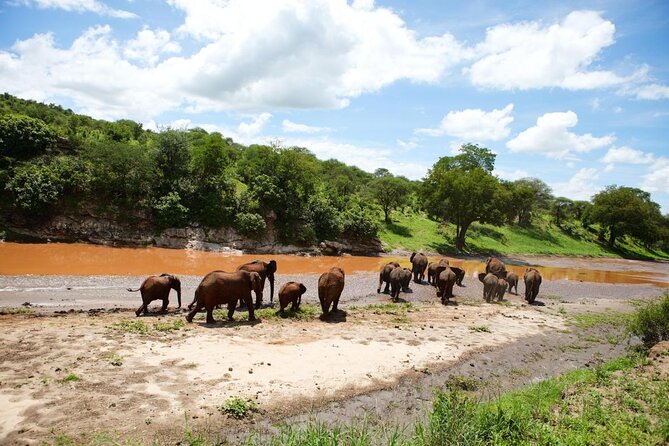
- Elephants and baobabs in Tarangire: The park’s river, seasonal swamps, and giant trees set the tone on the first game-drive day.
- A sunrise start in the Serengeti: You leave around 6 am, when animals are often active, then eat breakfast at a bush picnic site.
- Up to eight people: The group size is small enough to make vehicle space and shared decisions more manageable.
- About $950 per person: The price can be strong value for three major parks, though the exact lodging and inclusions should be confirmed before booking.
- Guide Malisa received special praise: His name comes up positively for showing the area well and helping a solo participant join a group.
What this five-day safari actually offers
This is a classic northern Tanzania route with little wasted time between the parks. You begin in Arusha, move through Tarangire, continue toward Serengeti, then finish at Ngorongoro Crater before returning to town.
I like the shape of the trip because each park brings a different setting. Tarangire gives you elephants and baobabs, Serengeti gives you wide plains and a strong chance of active wildlife around sunrise, and Ngorongoro puts many East African species into one dramatic crater setting.
The price is listed at $950 per person. That is worth considering against the number of major parks covered, the five-day length, the vehicle, meals mentioned in the schedule, and the guide service. But you should ask for a precise list of what the price includes, especially accommodation, park fees, drinks, and airport or hotel transfers beyond the stated pickup.
The safari is capped at eight people. That matters. A smaller vehicle group usually makes it easier to see out, hear the guide, and agree on stops. It also means you are sharing the pace with other people, so this is not a private trip with complete control over every minute.
More National Park Safaris in Arusha
- 7 Days Tanganyika Wilderness Safari
★ 5.0 · 159 reviews - 3 Day Serengeti National Park & Ngorongoro Crater Camping Safari
★ 5.0 · 142 reviews - Arusha National Park Private Safari
★ 5.0 · 59 reviews
Arrival day in Arusha
Day one is deliberately easy. A driver picks you up at the airport and takes you to the hotel for rest and safari preparation.
That first transfer is useful after a flight. You are not pushed straight into a long park drive, and you have time to organize bags, charge equipment, and prepare for early starts. The schedule does not give the hotel name or meal details, so confirm those before paying if they matter to you.
The airport pickup is one of the practical benefits here. You begin with a planned handoff instead of arranging your own route into Arusha. The activity starts and ends in Arusha, and the stated meeting point is also the return point.
The safari operates every day according to the supplied schedule, from midnight to 11:30 pm. Those broad hours describe booking availability, not a promise that you will be driving throughout that entire period.
Tarangire: elephants beneath giant baobabs
After breakfast on day two, you leave your hotel and drive about two hours to Tarangire National Park. This is the first proper game-drive day, so expect a full change from city roads to open country.
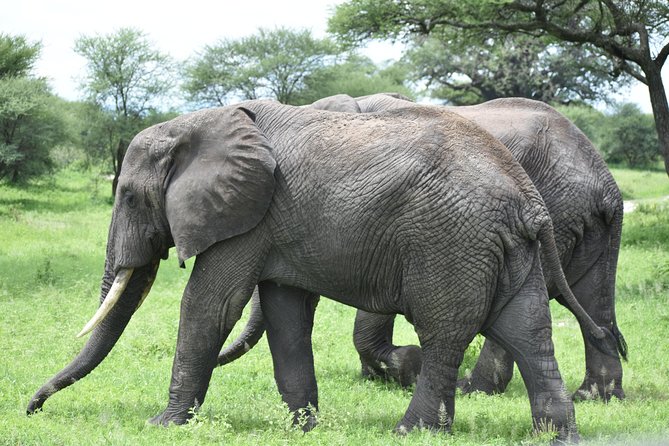
Tarangire is especially known for large elephant herds and ancient baobab trees. Those trees are not just background decoration. Their size gives the park a distinctive look, and they make even a simple stop feel specific to this part of Tanzania.
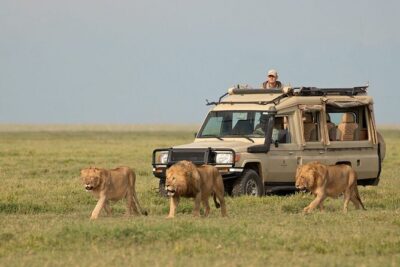
The open-roof vehicle is a major part of the experience. You can look above the sides of the vehicle and get a clearer view of birds, giraffes, elephants, and other animals. Bring sun protection, because an open roof also means direct exposure.
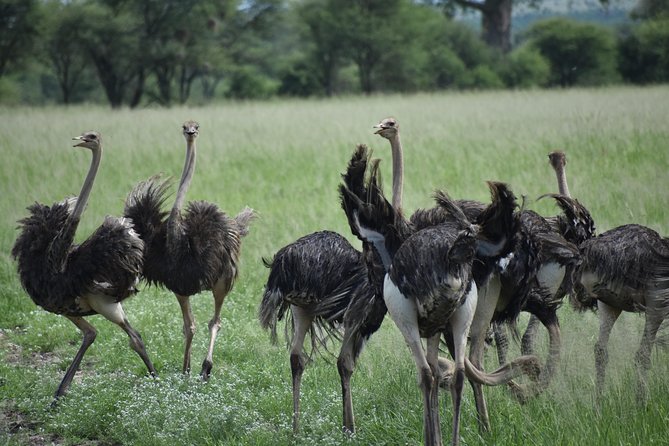
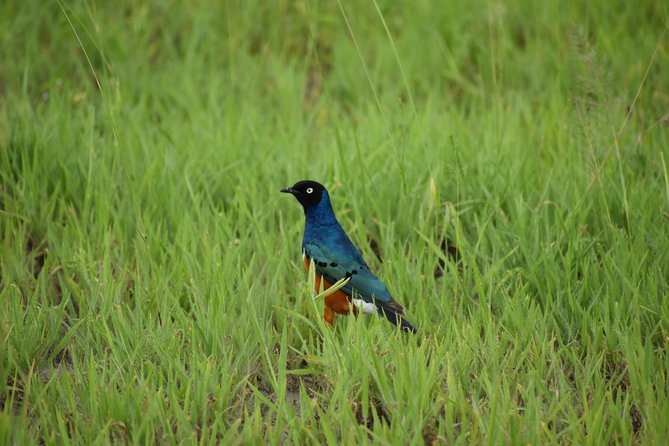
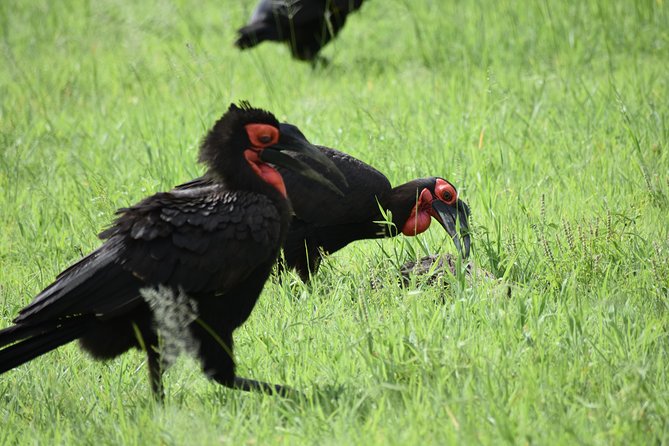
The drive follows the Tarangire River, seasonal swamps, and savanna. These areas can bring a broad mix of wildlife, including impalas, zebras, lions, leopards, elands, warthogs, and giraffes. Birdlife is also part of the park experience, so do not treat the trip as a search only for large mammals.
You stop for a picnic lunch at a site with a notable view. The schedule does not specify the menu, so ask about dietary needs in advance. A picnic inside a park saves time and keeps the day focused on wildlife, but it also means you should be ready for a simple outdoor meal rather than a long restaurant break.
Tarangire can be an excellent first park because it gives you several recognizable safari sights quickly. The drawback is that a game drive never guarantees a particular animal. The route lists lions and leopards among the wildlife you might see, but sightings depend on the day, season, and animal movement.
The long road toward Serengeti
Day three begins after breakfast with the drive to Serengeti. The route takes about four to five hours and is described as long and bumpy, so this is the day to pack patience, water, and a comfortable layer.
The road climbs through the crater highlands before reaching the broad Serengeti plains. That change in scenery is part of the value of the transfer. You are not simply being moved from one gate to another. You get to watch the setting open up as the route leaves the highlands behind.
A picnic lunch comes before the afternoon drive and park check-in. The timing gives you a first taste of the Serengeti on the same day, rather than waiting until the next morning.
After the afternoon drive, the plan includes watching the sunset before continuing to camp. Sunset can be a memorable time in open country, but the day will feel long because of the rough transfer. If you become uncomfortable on long drives, this is the most important limitation to consider before booking.
The schedule uses the word camp but does not name the camp or describe the facilities. Ask exactly where you will sleep, what bedding is provided, and whether bathrooms are private or shared. Those details can change how you judge the $950 price.
More National Park Safaris in Tanzania
- 6 days 5 nights safari Ngorongoro, Serengeti and Tarangire National Parks
★ 5.0 · 39 reviews - 3 Days Safari to Serengeti National Park & Ngorongoro Crater in Tanzania
★ 5.0 · 34 reviews - 3 Days Safari Ngorongoro Crater and Serengeti National Park
★ 5.0 · 21 reviews - 3days Serengeti National park and Ngorongoro Crater Tanzania Safari
★ 5.0 · 21 reviews
Serengeti at sunrise
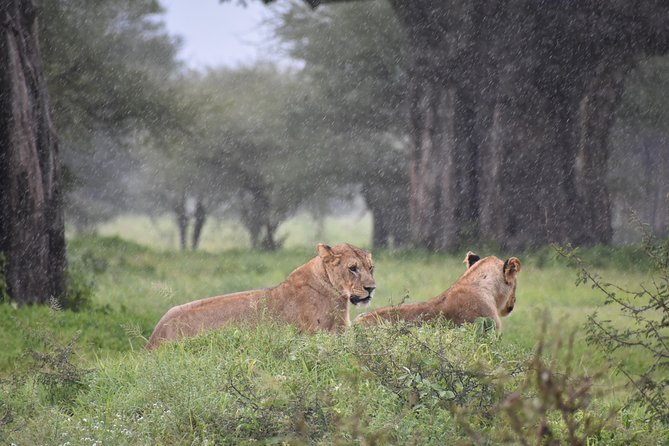
Day four begins around 6 am with a sunrise game drive. This early start is one of the strongest parts of the route. The schedule is designed around the time when animals may be active, and the soft morning light can make the plains easier to appreciate than the hot middle of the day.
You stop for breakfast at a picnic site in the bush, then continue the game drive before returning to camp around noon for a hot lunch. That gives you a useful rhythm: early wildlife viewing, an outdoor breakfast, more searching, then a proper meal.
After lunch, you load the vehicle and leave camp for Ngorongoro. This is a busy day. You should not expect a quiet afternoon at camp, because the drive onward is part of the schedule.
Serengeti time is limited to the afternoon of day three and the morning of day four. That is enough for a taste of the park, but not enough for a slow, deep exploration of every area. If Serengeti is your main goal, ask if a longer version is available. If you want a broad first safari with several headline parks, this compact plan makes more sense.
The guide can make a real difference during these drives. Malisa is named as a guide who helped a solo participant join a group and showed the area well. That is useful information for a person booking alone. You should still confirm who will guide your specific departure, since the supplied details do not promise that Malisa will be assigned to every group.
Ngorongoro Crater from the early descent
After reaching the Ngorongoro area, day five starts with an early breakfast and a direct descent into the crater. The crater is the final major wildlife setting on the route, and its enclosed shape gives the day a clear focus.
The itinerary describes the crater as home to almost every species indigenous to East Africa, including the rare black rhino. A rhino sighting is never promised, but this is the place in the trip where you have a stated chance to look for one.
You can choose between a picnic lunch at Hippo Lake and a hot lunch at camp. That choice gives you some control after several tightly planned days. A picnic keeps you near the crater’s wildlife setting, while hot lunch at camp may feel better if you want a more settled break.
After the crater drive, you return to Arusha. The expected arrival is around 5 pm, with flexibility if you need to catch a flight. Do not treat that time as a guaranteed airport schedule. Roads, park exits, wildlife stops, and traffic can all affect the return, so a generous buffer is sensible.
What the $950 price means
At about $950 per person, this trip is aimed at people who want the major northern parks without paying for a private safari. The value comes from the route: three famous parks, five days, a guide, vehicle transport, several game drives, picnic meals, and an airport pickup on arrival.
The maximum group of eight helps keep the cost lower than a private vehicle while avoiding a very large group. For a solo person, the option to join another group is important. It can make a major difference to the final cost and also removes the need to organize a private departure.
The price needs careful checking because the supplied details do not spell out every inclusion. Before booking, ask about:
- Accommodation type and location
- Park entry fees and conservation charges
- Meals beyond those named in the daily schedule
- Drinking water and other drinks
- Airport transfer arrangements on departure
- Any extra charge for a solo booking
- Vehicle condition and seat arrangement
One previous booking specifically praised the cars, food, guide professionalism, punctuality, and driving. Those are exactly the practical details that matter on a safari. A well-maintained vehicle and a careful driver are more important than flashy extras when you are spending hours on rough roads.
Comfort, pace, and group size
This is not a luxury itinerary. The route includes rough roads, early breakfasts, sunrise drives, picnic meals, camp time, and long transfers. You should be comfortable with dust, changing temperatures, and days that begin before most people are fully awake.
The open-roof vehicle improves your view, but it does not turn a bumpy road into a smooth one. Wear practical clothing and carry items you will want during the drive, since access to luggage may be limited while you are on the road.
A group of up to eight is a sensible middle ground. You get shared costs and the chance to meet other people, but you should not expect complete privacy. If you need a specific seat, have limited mobility, or want to change the route, ask about those matters before confirming.
Most people can participate, and the activity is near public transportation. Those points make the start in Arusha fairly straightforward, though the demanding road days still require normal physical stamina.
The strongest points and the main compromises
I would choose this safari for its park variety. Tarangire, Serengeti, and Ngorongoro each give the five days a different character, and the route avoids spending the entire trip in one area.
I also like the way the schedule uses early hours. The 6 am Serengeti drive and early Ngorongoro descent put wildlife viewing ahead of sleeping late. That is the right trade for a short safari.
The main compromise is the amount of movement. Day three is a four to five hour drive on a rough road, and day four asks you to go from a sunrise drive to lunch, packing, and another transfer. You see more, but you rest less.
Another consideration is that the exact accommodation is not described. A budget safari can be excellent, but the sleeping arrangements are part of the experience. Get those details in writing so you know what kind of comfort you are buying.
Who should book this safari
I would recommend it to a first-time safari visitor who wants the major northern Tanzania parks in one efficient trip. It also suits solo visitors who want the option of joining a group, and couples or friends who value wildlife time more than resort comfort.
It is a good match for people who enjoy early starts, outdoor meals, long drives, and a full schedule. The guide service has a strong practical profile, with well-trained staff and specific praise for guide Malisa, the vehicles, food, punctuality, and driving.
I would hesitate if you want a private, slow-paced trip with short transfers and guaranteed rest time. I would also ask more questions before booking if your return flight leaves soon after the planned 5 pm arrival in Arusha.
Free cancellation is available up to 24 hours before the start time for a full refund. Changes or cancellations inside that 24-hour window are not accepted for a refund, so keep the local cut-off time in mind.
Should you book it?
Book this safari if you want a budget route through three major parks and accept that the days will be long. The combination of elephants and baobabs in Tarangire, sunrise wildlife in Serengeti, and a final crater drive gives you a strong first look at northern Tanzania.
Before you pay, confirm the camp details, what the $950 includes, the guide assigned to your departure, and the exact airport transfer plan. If those answers suit you, this is a practical choice for a compact safari with a small group and a clear focus on wildlife.
FAQ
Where does the safari start?
The safari starts in Arusha, Tanzania. Airport pickup is offered on the first day, followed by transfer to the hotel for rest and preparation.
Where does the safari end?
The activity ends back at the meeting point in Arusha. The expected return on day five is around 5 pm, with some flexibility if you have a flight to catch.
How long is the safari?
The safari lasts approximately five days.
Which national parks are included?
The route includes Tarangire National Park, Serengeti National Park, and Ngorongoro Crater.
How many people can join the group?
The maximum group size is eight people.
Is the safari suitable for someone traveling alone?
Yes. A solo participant can request to join another group. Confirm the group arrangement and any possible solo supplement before booking.
What time does the Serengeti game drive begin?
The early Serengeti game drive on day four begins around 6 am. Breakfast follows at a picnic site in the bush.
Can I cancel for a full refund?
Yes. You can cancel at least 24 hours before the experience start time for a full refund. Cancellations or changes made less than 24 hours before the start time are not accepted for a refund.
More Volcano National Park Tours in Tanzania
- 3-Day Taste of Tanzania Safari (Tarangire National park and Ngorongoro Crater)
★ 5.0 · 10 reviews - 1 Day Joined Group Safari in Ngorongoro Crater National Park
★ 5.0 · 7 reviews - Private Group Serengeti Safari, Crater & Tarangire National Park
★ 5.0 · 5 reviews - 3 Day Safari to Serengeti National Park and Ngorongoro Crater
★ 5.0 · 4 reviews
More Volcano National Park Tours in Arusha
- 4 Day Ngorongoro Crater Tarangire and Serengeti National Park
★ 5.0 · 44 reviews - 3 Days Lake Manyara, Ngorogoro Crater, Tarangire National Park
★ 5.0 · 21 reviews - 2 Days Joined Group Tarangire and Ngorongoro Crater National Park
★ 4.5 · 17 reviews - 5days Tarangire,Serengeti,ngorongoro Crater and Lake Manyara National park
★ 5.0 · 11 reviews
Newest park tours we have reviewed in Arusha
- Walking safari & game drive Day trip in Arusha National park★ 4.5 · 2 reviews
- Tarangire National Park Day Trip★ 5.0 · 4 reviews
- 2 Days Tanzania Safari – Lake Manyara and Tarangire National Park★ 5.0 · 3 reviews
- Private Wildlife Encounter at Tarangire National Park★ 5.0 · 3 reviews
- Tarangire National Park★ 5.0 · 2 reviews
- Lake Manyara National Park Full-Day Tour from Arusha★ 4.5 · 8 reviews
- 4 Days Private Arusha National Park, Serengeti, Ngorongoro Tour★ 5.0 · 4 reviews
- Tarangire National Park Day Trip★ 5.0 · 3 reviews
Arusha National Park Tours, compared.

3 Day Serengeti National Park & Ngorongoro Crater Camping Safari
Read our review →
4 Day Ngorongoro Crater Tarangire and Serengeti National Park
Read our review →
6 days 5 nights safari Ngorongoro, Serengeti and Tarangire National Parks
Read our review →
3 Days Safari to Serengeti National Park & Ngorongoro Crater in Tanzania
Read our review →
3days Serengeti National park and Ngorongoro Crater Tanzania Safari
Read our review →