Reviewed · ARUSHA NATIONAL PARK TOURS
3 Day Serengeti National Park & Ngorongoro Crater Camping Safari
The big draw here is the pairing of Serengeti plains and Ngorongoro Crater in only three days. You get afternoon and morning game drives in Tanzania’s best-known wildlife park, then descend into a giant volcanic caldera where black rhino, lion, hippo, zebra, and flamingo may appear in the same day.
I like the small maximum group of six, which gives you a better chance of seeing from the vehicle without a crowd of heads blocking the view. I also like that the price covers the costly basics: park and camping fees, a 4×4, guide, meals, water, airport transfers, and a camp cook.
The trade-off is time. Long road sections are part of this route, and camping is simple rather than polished. One campsite received a complaint about dirty washrooms, and the Ngorongoro rim can be cold at night, so pack warm layers and keep your expectations practical.
Key points at a glance
- Two major wildlife areas: Spend time in the Serengeti, then visit the Ngorongoro Crater on the final day.
- Small group format: The safari accepts a maximum of six people, useful for viewing and sharing costs.
- Strong guide record: Daniel Lyimo, Emmanuel, James, Peter, and Manuel are praised for animal spotting, safe driving, patience, and clear explanations.
- Meals handled on the road: Breakfast, lunch, and dinner are included, with a chef preparing cooked camp meals and packed lunches.
- Camping with a real wilderness feel: Camps are included, but facilities can vary and the crater rim is chilly.
- Good wildlife odds, never a guarantee: Big cats, elephants, hippos, giraffes, zebra, buffalo, cheetah, and black rhino are all possible.
Why this three-day route works
This safari is built around contrast. The Serengeti gives you wide open grassland and the sense of animals moving across a huge plain. Ngorongoro gives you a compact bowl where wildlife is easier to find because the crater walls contain water, grass, and shelter.
That makes the route a sensible first safari from Arusha. You are not trying to cover every park in northern Tanzania. Instead, you focus on two major sites with very different characters.
The price is $1,100 per person. That is not a budget bus trip, but the inclusions give it fair value. Park entry and camping fees alone can add up quickly, and you also receive a dedicated 4×4 safari vehicle, guide, food, drinking water, airport transfers, coffee, tea, and a Maasai boma visit.
The maximum group size matters here. Six people can still fill a safari vehicle, but it is far more manageable than a large shared bus. You will have a better chance of getting a window seat and a clear view when the vehicle stops beside wildlife.
More National Park Safaris in Arusha
- 7 Days Tanganyika Wilderness Safari
★ 5.0 · 159 reviews - Arusha National Park Private Safari
★ 5.0 · 59 reviews - 6 days 5 nights safari Ngorongoro, Serengeti and Tarangire National Parks
★ 5.0 · 39 reviews
Day one: From Arusha to the Serengeti
The first day begins with an early safety talk and briefing, although the published start time is shown as 12:00 am, so confirm the exact pickup time before departure. The route heads through the Ngorongoro Highlands and onward toward Serengeti National Park.
This is a long transfer, but it is also part of the experience. The road carries you from the settled area around Arusha toward highland country and then into the open Serengeti. You should expect a full day rather than a quick ride followed by an afternoon at camp.
The payoff is an afternoon game drive in Tanzania’s oldest national park. The Serengeti is famous for the Great Wildebeest Migration, though the migration’s location changes with the season. The park is also home to the Big Five: lion, leopard, elephant, buffalo, and rhino.
The first afternoon is useful because it gives you an immediate introduction to the park. You might see herds of zebra and wildebeest, giraffe moving across the grass, or gazelle and impala scattered near the road. Lions and cheetahs are possible, but no guide can promise a particular animal on a particular day.
Your guide makes a big difference here. Daniel Lyimo is praised for answering questions about a wide range of animals, while Emmanuel is noted for using quiet periods to read about birds in the area. That detail tells you what to look for beyond the headline species. A safari becomes more interesting when you stop treating every small bird or antelope as background scenery.
Day two: Serengeti wildlife, cooked lunch, and the crater rim
Day two is the main Serengeti day, with a morning game drive followed by lunch at Seronera Campsite. The schedule allows about eight hours in the park, including the later drive toward the Ngorongoro Conservation Area.
Morning is often a productive time for wildlife viewing, and the route lists a wide spread of possible sightings: cheetah, wildebeest, lion, giraffe, dik-dik, impala, gazelle, buffalo, and hippo. You might also encounter leopard, lion cubs, elephants, and zebra.
The word might matters. Wildlife viewing is not a zoo visit. The value of a good guide is not only finding a famous animal, but reading tracks, watching behavior, and knowing when a group of vehicles has gathered for a reason. Peter is repeatedly praised for spotting and naming animals and birds, while Manuel is singled out for his understanding of local wildlife and plants.
The vehicle is a 4×4 safari vehicle, and one account specifically describes the Land Cruiser as being in excellent condition. That matters on long park roads. A clean, well-kept vehicle and a driver who handles rough roads carefully can make the difference between a tiring day and a comfortable one.
Lunch is cooked by the safari chef at camp, rather than treated as an afterthought. Food is included throughout the trip, and accounts of the safari repeatedly praise the cooking. You will receive three lunches, two dinners, and two breakfasts, along with coffee and tea. Packed lunches are also used for time in the park and crater.
After lunch, the game drive continues toward the Ngorongoro Conservation Area and the crater rim. This is another long moving section, so do not expect an afternoon of nonstop viewing. You are changing base for the next day, and the route offers a chance to spot animals along the way.
The crater rim is cooler than the Serengeti plains. Bring a fleece, warm jacket, and extra layers, especially if you are sensitive to cold. The camping facilities are part of the appeal, but they are basic. One account found the first night’s washrooms unclean, so this is not the right trip for someone seeking lodge-level comfort.
Day three: Descending into Ngorongoro Crater
The final day takes you down into Ngorongoro Crater for roughly six hours of game viewing. The crater is an intact volcanic caldera about 265 square kilometres across, with walls reaching roughly 600 metres high.
The shape of the crater is more than a scenic detail. Its enclosed setting supports a large resident animal population, with about 30,000 animals present at a time according to the tour information. You may see wildebeest, zebra, eland, gazelle, buffalo, hippo, and lion in a relatively compact area.
The crater is one of the better places on this route to look for black rhino. Sightings are not guaranteed, but the possibility is a major reason to include Ngorongoro. Cheetah and leopard are also possible, along with the striking black-maned lions associated with the area.
Lake Magadi offers another change of scene. Flamingos may gather on the soda water, and hippos can often be found in wet areas. The crater combines open grass, water, woodland, and steep walls, so the drive does not feel like a repeat of the Serengeti.
There is a practical limit to the crater visit. Six hours sounds generous, but it passes quickly once you stop for animals, photographs, and lunch. You are not getting several full days in Ngorongoro, and you should choose this trip because you want a compact introduction to the crater, not an extended scientific study of it.
The itinerary also includes a Maasai boma visit. The information provided does not specify the exact timing or length, so ask your operator how it fits into your departure schedule. Treat it as a cultural stop, not a substitute for time in the parks.
More National Park Safaris in Tanzania
- 3 Days Safari to Serengeti National Park & Ngorongoro Crater in Tanzania
★ 5.0 · 34 reviews - 3days Serengeti National park and Ngorongoro Crater Tanzania Safari
★ 5.0 · 21 reviews - 2 nights 3 days safari to mikumi national park
★ 5.0 · 62 reviews - From Zanzibar: Nyerere National Park Game Drive with Lunch
★ 4.3 · 59 reviews
Guides, vehicles, and the value of a small group
The strongest feature of this safari is the guide service. Daniel, Emmanuel, James, Peter, and Manuel are all named in the supplied feedback, with repeated praise for animal identification, safe driving, patience, and friendly service.
That praise is specific. Emmanuel is described as attentive, punctual, and skilled at positioning the vehicle for photographs. Peter is credited with finding requested species, including cheetah and black rhino. James is described as cheerful and ready to answer questions. Daniel is praised for careful driving as well as his wildlife expertise.
You should still understand the role of the guide. The driver cannot control animal behavior, weather, road conditions, or how many vehicles gather at a sighting. What a strong guide can do is improve your odds, explain what you are seeing, keep the day organized, and make the long drives more comfortable.
The six-person limit is a practical advantage. It is not a private safari, but it is small enough for a more personal exchange with the guide. If you have particular interests, such as birds, big cats, or photography, tell the guide early. The information provided shows that the guides are willing to adapt to requests when conditions allow.
Camping, food, and what comfort really means
Camping gives this safari its sound and feel. You are closer to the parks than you would be in a town hotel, and the day does not end when you leave the vehicle. Coffee, tea, meals, and campsite arrangements are included.
The food appears to be a strong part of the setup. Breakfast and dinner are cooked at camp, and lunches are provided for time in the parks. A young chef is specifically praised, and several accounts describe the meals as tasty or excellent.
Still, do not confuse included meals with luxury camping. Washroom standards may vary from campsite to campsite. One person found the first night’s ablutions very dirty, which is a useful warning for anyone who needs polished facilities.
The second night near Ngorongoro deserves special preparation. The rim can be cold, and warm clothes are essential. Pack a fleece, hat, long trousers, and a warm sleeping layer rather than assuming Tanzania means heat everywhere.
Mineral water is supplied daily. Alcohol is not included, and laundry, phone calls, porterage, travel insurance, tips, and hotel gratuities are also excluded. The suggested driver tip is $20 per day, so include that in your real budget.
Who should book this safari?
I would choose this trip if you want a concentrated first safari, prefer a small shared group, and care more about wildlife time than polished accommodation. It suits couples, families, and solo participants who are comfortable sharing a vehicle and spending long hours on the road.
It is also a good fit if you want a guide-led trip with minimal planning. Transport, park fees, food, water, camping, airport transfers, and guiding are already arranged.
I would hesitate if you want luxury lodges, short driving days, or guaranteed sightings. The route covers large distances in three days, and camping conditions are basic. The Serengeti and crater are famous, but fame does not remove the uncertainty of wildlife viewing.
The tour accepts people of any age, and most people can take part. Since no special physical requirements are listed, ask the provider directly about your own needs if you have mobility or medical concerns.
Booking details and cancellation
Pickup is offered, and the activity ends back at the meeting point. The tour is near public transportation, accepts mobile tickets, and offers group discounts.
Confirmation is provided at booking. Free cancellation is available if you cancel at least 24 hours before the local start time. Changes or cancellations made within 24 hours are not accepted for a refund.
Should you book the Serengeti and Ngorongoro camping safari?
Book it if you want the essential northern Tanzania pairing in a short, well-supported format. The combination of two game drives in the Serengeti, a full crater visit, a six-person limit, included meals, and experienced guides gives the $1,100 price reasonable value.
Go in prepared for long drives, basic camps, cold nights at Ngorongoro, and the occasional rough washroom. If you can accept those limits, this safari offers a strong chance to see an impressive range of wildlife, with guides such as Daniel, Emmanuel, James, Peter, and Manuel adding real value behind the wheel.
FAQ
How long is the safari?
The safari lasts approximately three days.
Where does the safari start?
The experience is based in Arusha, Tanzania, and pickup is offered. The activity ends back at the meeting point.
How many people can join the safari?
The maximum group size is six people.
What animals might I see?
Possible sightings include lion, leopard, cheetah, elephant, buffalo, black rhino, hippo, giraffe, zebra, wildebeest, eland, gazelle, impala, dik-dik, and flamingo.
Are meals included?
Yes. The package includes three lunches, two dinners, and two breakfasts, along with daily coffee, tea, and mineral water.
Is camping included?
Yes. Park fees, camping fees, accommodation as listed, and the required safari vehicle and guide are included.
What is not included in the price?
Porterage, travel insurance, tips and hotel gratuities, laundry, hotel phone calls, and alcoholic drinks are not included. The suggested driver tip is $20 per day.
More Tarangire and Serengeti Safaris in Arusha
- Tarangire National Park: Guided Day Tour from Arusha
★ 5.0 · 11 reviews - Arusha: Tarangire National Park One-Day Trip
★ 3.9 · 8 reviews - Private Guided Day Trip in Tarangire National Park
★ 5.0 · 5 reviews
More Volcano National Park Tours in Arusha
- 4 Day Ngorongoro Crater Tarangire and Serengeti National Park
★ 5.0 · 44 reviews
Newest park tours we have reviewed in Arusha
- 3days Serengeti National park and Ngorongoro Crater Tanzania Safari★ 5.0 · 21 reviews
- 3 Days Safari to Serengeti National Park & Ngorongoro Crater in Tanzania★ 5.0 · 34 reviews
- The Amaizing Private Day Trip to the lovely Arusha National Park★ 5.0 · 5 reviews
- Private Guided Day Trip in Tarangire National Park★ 5.0 · 5 reviews
- Arusha National Park: Private Jeep Tour★ 4.8 · 9 reviews
- 6 days 5 nights safari Ngorongoro, Serengeti and Tarangire National Parks★ 5.0 · 39 reviews
- Arusha National Park Day Trip★ 4.5 · 18 reviews
- Day Trip to Kilimanjaro National Park★ 5.0 · 20 reviews
Arusha National Park Tours, compared.
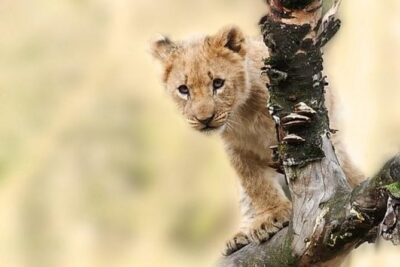

4 Day Ngorongoro Crater Tarangire and Serengeti National Park
Read our review →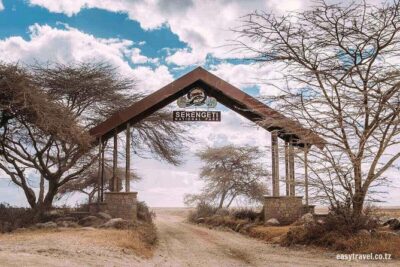
6 days 5 nights safari Ngorongoro, Serengeti and Tarangire National Parks
Read our review →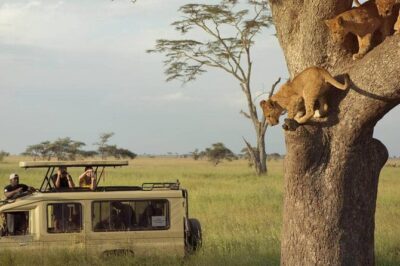
3 Days Safari to Serengeti National Park & Ngorongoro Crater in Tanzania
Read our review →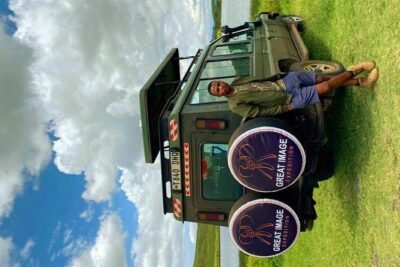
3days Serengeti National park and Ngorongoro Crater Tanzania Safari
Read our review →