
Reviewed · ARUSHA NATIONAL PARK TOURS
5 Days of Wilderness Ride
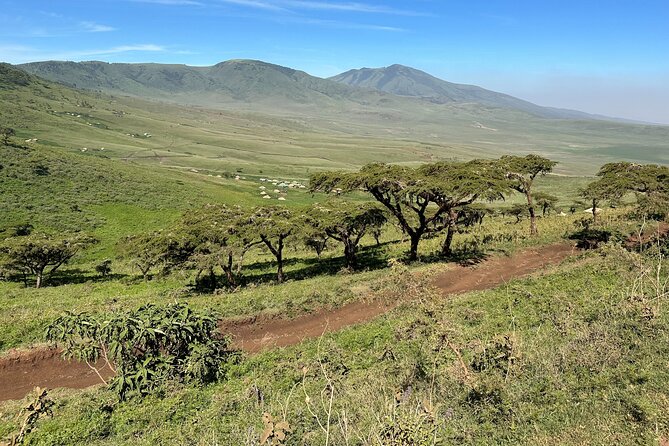
Tanzania’s backcountry looks very different from the window of a safari vehicle. On this five-day motorbike adventure, you ride the dirt tracks yourself, with views toward Kilimanjaro, Mount Meru, Oldonyo Lengai, and several lakes. Giraffes, zebras, and elephants may appear along the way, though wildlife sightings are never guaranteed.
I like the practical setup: a support car, bike trailer, mechanic, first-aid kit, and English-speaking guides travel with you. I also like that the tour welcomes both amateur and expert riders, with boots, gloves, riding pants, a jacket, glasses, and a helmet supplied if you need them. The main consideration is simple: five days of off-road riding demands reasonable fitness, and the exact daily route and riding hours should be confirmed before you pay.
Key points at a glance
- Ride beyond the usual safari roads: The route reaches lakes, rural communities, and open country around northern Tanzania.
- See famous volcanic mountains: You may view Mount Meru, Kilimanjaro, and Oldonyo Lengai from changing angles along the ride.
- Honda Rally 300 motorcycles: The bikes have been praised for their condition and suitability on rough tracks.
- Full mechanical backup: A mechanic, support car, bike trailer, and professional guide remain available during the tour.
- Lodge-based comfort: You return to lodge accommodation each night and receive breakfast, lunch, and dinner.
- Safety is taken seriously: Protective gear, first aid, government fees, and AMREF flying-doctor support are included.
Riding Tanzania’s backcountry from Arusha
This tour is for people who want more than a standard game drive. You begin around Arusha, one of Tanzania’s main safari bases, then head onto off-road routes in the country’s northeast. The appeal is the change of pace. Instead of sitting behind glass, you feel the road surface, smell the dry air, and stop when the route opens to a good view.
The ride is designed for motorbike enthusiasts, but you do not need to be an expert racer. The operator says the trails suit amateurs through expert riders. That broad range matters if you are traveling with a partner or group whose riding experience varies.
Still, suitable for all skilled riders does not mean effortless. You should have a moderate level of physical fitness and feel comfortable handling a motorbike on unpaved ground. Heat, dust, bumps, and long periods in the saddle can make a riding day tiring even when the pace is sensible.
More Five-Day Trips in Arusha:
- 5days Tarangire,Serengeti,ngorongoro Crater and Lake Manyara National park
★ 5.0 · 11 reviews - 5 days Tanzania wilderness Camping tour.
★ 5.0 · 2 reviews - Private 5 Days Camping Tour in Serengeti National Park
★ 5.0 · 2 reviews
What the five days are built around
A precise day-by-day route is not supplied, so you should not expect a fixed list of named villages or guaranteed animal sightings. The broad plan is clear, however: ride through northern Tanzania’s rural backcountry, sleep in lodges, and connect scenic areas by off-road tracks.
The route is arranged to reveal several kinds of scenery rather than one single attraction. You may pass lakes, open plains, mountain views, and inhabited rural areas. That variety is one reason this trip feels different from a short motorbike outing near town.
The named mountain views give the ride a strong visual focus. Mount Meru is close to Arusha and can appear as a powerful landmark during the early or later sections of the route. Kilimanjaro brings a more distant, iconic profile. Oldonyo Lengai, an active volcano in northern Tanzania, adds a more rugged volcanic character to the scenery.
You should treat these views as route highlights, not guaranteed photo stops. Weather, clouds, road conditions, and the day’s riding plan will affect what you see. Ask for the expected route and mountain viewpoints during your arrival briefing.
Wildlife from the seat of a Honda Rally 300
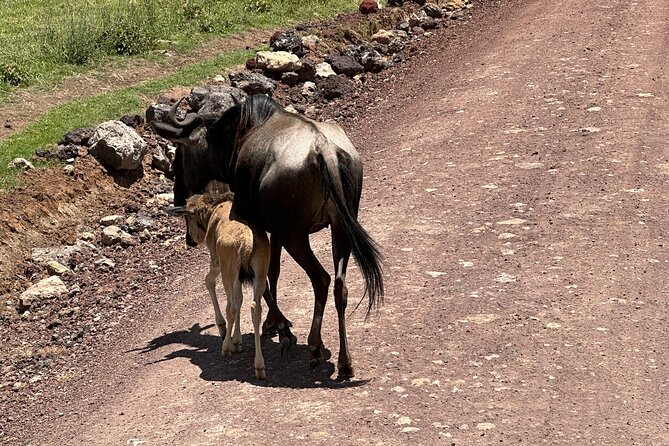
The most unusual part of this experience is the chance to ride in areas where wildlife may be visible. The tour description specifically mentions giraffes, zebras, and elephants. Seeing animals while sitting on a motorcycle can feel more immediate than watching from a vehicle, but it also calls for discipline.
You must follow your guide’s instructions around animals and avoid assuming that a motorcycle gives you freedom to approach. The guide controls the pace and the safe distance. Wildlife is not staged, and an animal sighting can be brief or absent on a particular day.
The Honda Rally 300 is a sensible type of bike for this setting. It is a dual-sport machine suited to dirt tracks and longer rides, while remaining approachable for riders who do not want a heavy adventure motorcycle. Several riders singled out the motorcycles as being in excellent condition, which is important when you are far from town.
Before setting off, pay attention to the motorcycle briefing. Ask how the bikes are arranged for different rider heights, how fuel is handled, and what happens if a bike develops a problem. A full-time mechanic and trailer reduce the worry, but they do not remove the need to ride within your ability.
Meeting Tanzanian communities along the route
The ride also gives you a look at local life among different Tanzanian tribes. The value here is not a quick photo stop. It is the chance to see homes, roads, work, and daily routines in places that a standard safari schedule may skip.
You should approach these encounters with care. Follow your guide’s advice about photography and conversation, and remember that people are not part of the scenery. The route promises observation of local ways of life, but the supplied information does not promise specific cultural activities, village visits, or formal performances.
That uncertainty is worth keeping in mind. If meeting communities is a major reason for booking, ask what kind of contact is planned. A respectful roadside encounter is different from a guided village visit, and knowing the difference helps you set fair expectations.
More National Park Tours in Arusha:
- 7 Days Tanganyika Wilderness Safari
★ 5.0 · 159 reviews - 3 Day Serengeti National Park & Ngorongoro Crater Camping Safari
★ 5.0 · 142 reviews - Arusha National Park Private Safari
★ 5.0 · 59 reviews - 4 Day Ngorongoro Crater Tarangire and Serengeti National Park
★ 5.0 · 44 reviews
Lodges, meals, and the practical side of comfort
Accommodation is in lodges rather than tents. That makes this a more comfortable choice for riders who want several days of dirt roads without giving up a proper bed at night.
Three meals per day are included, with breakfast, lunch, and dinner described as three to four courses. Bottled water is also provided. This is meaningful value on an active trip. You do not need to arrange every meal between riding sections, and regular food and water help you maintain energy.
The information does not specify the lodge names, room style, Wi-Fi, laundry, or whether drinks beyond bottled water are included. If those details matter to you, ask before booking. Lodge standards can vary, and a five-day ride is easier when you know what kind of evening comfort to expect.
Safety support that matters on remote tracks
The operator supplies boots, gloves, riding pants, a jacket, glasses, and a helmet. You are encouraged to bring your own gear if you have it, mainly for fit and comfort. I would bring personal riding gloves and any familiar protective layers you already trust, while using the supplied equipment as needed.
A first-aid kit is carried, and one of the guides can provide emergency first aid. The company also works with AMREF Flying Doctors for medical evacuation. That is a useful safety arrangement for a remote ride, though it is not a substitute for your own medical insurance, which is excluded from the price.
A support car and bike trailer travel with the group, and a mechanic is available throughout the tour. This is one of the strongest parts of the package. A puncture, mechanical fault, or rider problem is less alarming when professional help and transport are close at hand.
You should still tell the operator about medical conditions, medication needs, and riding concerns before departure. The package includes emergency support, not every possible personal medical cost.
Guides who shape the experience
The human side of a motorbike tour matters as much as the bikes. The guides are English-speaking, and named guides praised in the supplied material include Moi and Goodluck. Goodluck was described as professional, attentive, friendly, and well prepared. Moi was singled out for making a five-day trip feel especially well managed.
Those details tell you what to value when you meet the team. A good guide does more than lead the first bike. The guide sets the pace, explains local conditions, helps riders handle difficult sections, watches the group, and decides when a stop is sensible.
Another guide, Alpha, is also mentioned in connection with a group ride. Because the information is limited, you should not assume that a particular guide will lead your departure. You can request or ask about guide availability, but staffing may depend on the date and group.
A short briefing takes place on arrival or the day before the tour starts. Use it well. This is your chance to discuss the route, riding style, safety rules, bike fit, luggage, and what to do if you become tired.
Is $1,250 good value?
At $1,250 per person, the price is not simply paying for motorcycle rental. It covers a five-day program with lodge accommodation, three meals daily, bottled water, park and government fees, protective equipment, airport transfers, an English-speaking guide, and a full-time mechanic.
The support car and bike trailer add real value. So does the included transfer from Kilimanjaro or Arusha airport. If you arranged each part separately, transport, equipment, meals, permits, and mechanical backup would take time and could cost more than expected.
The value is strongest for a rider who wants a supported off-road trip rather than a self-guided rental. You are paying for logistics and peace of mind as much as for the motorcycle.
The price does not include flights, a visa, medical insurance, personal expenses, or tips. Those costs need to sit in your total budget. You should also clarify whether every expected lodge cost is covered, since the included information does not spell out extras such as drinks or laundry.
Timing, pickup, and what to bring
Round-trip airport transfer is included from Kilimanjaro or Arusha airport. Pickup is offered, and the experience uses a mobile ticket. The operating period provided is Monday through Saturday, from 8:00 a.m. to 5:00 p.m.
There is an odd timing detail worth checking. The experience is described as five days, but the duration field also gives approximately one to twelve hours. That may refer to daily riding time or the booking system’s general activity range. Ask the operator to confirm the daily start and finish times, total riding hours, and arrival night arrangements.
Bring comfortable clothes for changing conditions, personal riding gear if you own it, sun protection, and any personal items you need at the lodges. The operator supplies the listed protective equipment, but familiar gear often fits better and feels more natural on a long ride.
The tour is near public transportation, though airport pickup is already included. Confirmation is received at booking, and cancellation is free if you cancel at least 24 hours before the local start time. Canceling later, or changing the booking within 24 hours, does not qualify for a refund.
Who should book this ride?
I would choose this tour if you want to combine motorcycling, wildlife country, mountain views, and contact with rural Tanzania. It suits riders who prefer a real off-road route to a short scenic loop and who value having a mechanic and support vehicle nearby.
It also works well for a group of friends. One group of 10 rode together, and the setup can support a social trip without forcing everyone to have the same level of experience.
I would think twice if you dislike dust, rough tracks, long saddle time, or uncertain daily conditions. This is not a passive sightseeing holiday. Even with lodge accommodation and meals included, the riding remains the center of the experience.
Should you book the five-day wilderness ride?
Book it if the idea of riding a Honda Rally 300 past rural communities, lakes, and possible wildlife sightings excites you more than a polished resort stay. The combination of mountain views, lodge nights, included gear, airport transfers, guides, and mechanical support gives the $1,250 price solid value.
Before confirming, ask for the exact route, daily riding hours, lodge names, group size, fuel arrangements, and likely guide. If those answers suit your riding ability and your appetite for dirt-road adventure, this is a strong way to see northern Tanzania from a more personal angle.
FAQ
Where does the five-day wilderness ride take place?
The experience is based in Arusha and takes place in northeastern Tanzania. The routes include off-road tracks, lakes, rural communities, and views of Mount Meru, Kilimanjaro, and Oldonyo Lengai.
How long does the experience last?
It is described as a five-day ride. The duration information also lists approximately one to twelve hours, so you should confirm the daily riding hours with Motorbike Safari Tanzania before booking.
What type of riders can join?
The trails are described as suitable for amateurs through expert riders. You should still have a moderate level of physical fitness.
Is a motorcycle provided?
Yes. The experience provides motorcycles, and the Honda Rally 300 is specifically mentioned in the tour information and rider feedback.
Is riding equipment included?
Yes. Boots, gloves, riding pants, a jacket, glasses, and a helmet are included. You may also bring your own gear for comfort.
Are meals and accommodation included?
Lodge accommodation is included, along with breakfast, lunch, and dinner each day. Meals are described as three to four courses, and bottled water is provided.
Is airport transportation included?
Yes. Round-trip airport transfer is included from Kilimanjaro Airport or Arusha Airport.
What happens if there is a medical emergency?
A first-aid kit is available, and the guides can provide emergency first aid. The operator also works with AMREF Flying Doctors for medical evacuation. Medical insurance is not included.
Newest park tours we have reviewed in Arusha
- Tarangire National Park Day Trip★ 5.0 · 4 reviews
- 2 Days Tanzania Safari – Lake Manyara and Tarangire National Park★ 5.0 · 3 reviews
- Walking safari & game drive Day trip in Arusha National park★ 4.5 · 2 reviews
- Tarangire National Park★ 5.0 · 2 reviews
- Private Wildlife Encounter at Tarangire National Park★ 5.0 · 3 reviews
- Lake Manyara National Park Full-Day Tour from Arusha★ 4.5 · 8 reviews
- 4 Days Private Arusha National Park, Serengeti, Ngorongoro Tour★ 5.0 · 4 reviews
- Tarangire National Park Day Trip★ 5.0 · 3 reviews
Arusha National Park Tours, compared.
3 Day Serengeti National Park & Ngorongoro Crater Camping Safari
Read our review →
4 Day Ngorongoro Crater Tarangire and Serengeti National Park
Read our review →
6 days 5 nights safari Ngorongoro, Serengeti and Tarangire National Parks
Read our review →
3 Days Safari to Serengeti National Park & Ngorongoro Crater in Tanzania
Read our review →
3days Serengeti National park and Ngorongoro Crater Tanzania Safari
Read our review →
3 Days Safari Ngorongoro Crater and Serengeti National Park
Read our review →Lists this park day appears in