
Reviewed · AUSTRALIA NATIONAL PARK TOURS
Sydney Harbour National Park 2-Hour Walking Tour
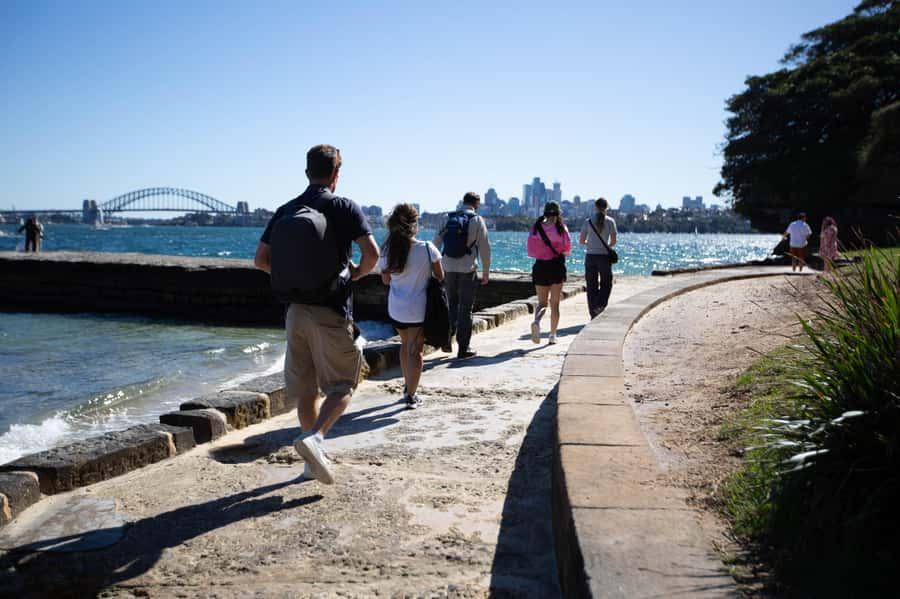
Sydney Harbour National Park gives you a side of Sydney that ferries and lookout photos cannot provide. In two hours, you move from harbour-edge sandstone and thick Sydney red gum canopies to old military defenses, convict-built structures, and pockets of bushland where water dragons, lizards, lorikeets, brush turkeys, and perhaps king parrots live.
I like the mix of nature and human history. You are not simply walking through a pretty park, and you are not spending the whole time indoors with plaques and dates. I also like the chance to look for migrating whales in winter, though sightings are never guaranteed. The main consideration is the walking itself: this tour is not suitable for wheelchair users or people with mobility impairments, and there is no shelter guarantee in wet weather.
Key points at a glance
- Harbour views with a wild edge: Follow the water for scenic views, sandstone formations, and possible winter whale sightings.
- More than a nature walk: Learn about Aboriginal heritage, convict-built structures, and the military defenses built when war reached Sydney.
- Real wildlife habitat: Keep watch for water dragons, blue tongue lizards, rainbow lorikeets, brush turkeys, and possibly king parrots.
- A strong guide-led experience: Your English-speaking guide provides interpretation throughout, including the story of Sydney’s fortifications.
- Good value at $41: The fee covers a two-hour guided walk, park entry, wildlife and conservation information, and fortification talks.
- Come ready to walk: Wear comfortable clothes and closed-toe shoes, carry a reusable water bottle, and expect the tour to operate in rain or sunshine.
A Two-Hour Walk Beyond the Harbour Icons
The appeal of this tour is its contrast. Sydney Harbour is famous for its bridges, ferries, and polished waterfront, but the national park protects patches of bushland that feel much less urban. You get views of the harbour while walking under trees and past rock ledges shaped from sandstone.
Your guide sets the pace and explains what you are seeing along the way. That matters here because much of the value is in the details. A sandstone wall might relate to military defense, a building might connect to convict labor, and a stretch of bush might represent the kind of native habitat that once covered far more of the Sydney area.
The advertised duration is two hours, which makes this a useful addition to a Sydney morning or afternoon. It is long enough to give the park a proper look, but short enough to fit around other plans. You will not cover every corner of the national park in that time. Instead, you get a focused introduction to its nature, culture, and defenses.
The meeting point is EcoWalks Tours on Athol Wharf Road. You should arrive 10 minutes early so you can find the guide without turning the start of the walk into a small harbor-side treasure hunt.
More Two-Hour Trips in Australia:
- 2-Hour Gettysburg Battlefield Guided History Bus Tour with a National Park Guide
★ 4.5 · 2,201 reviews - 2 Hour Wilderness Adventure Snowmobile Tour in Whistler
★ 5.0 · 610 reviews - Jasper National Park: 2-Hour Whitewater Rafting
★ 4.9 · 310 reviews
Under Sydney Red Gums and Along the Water
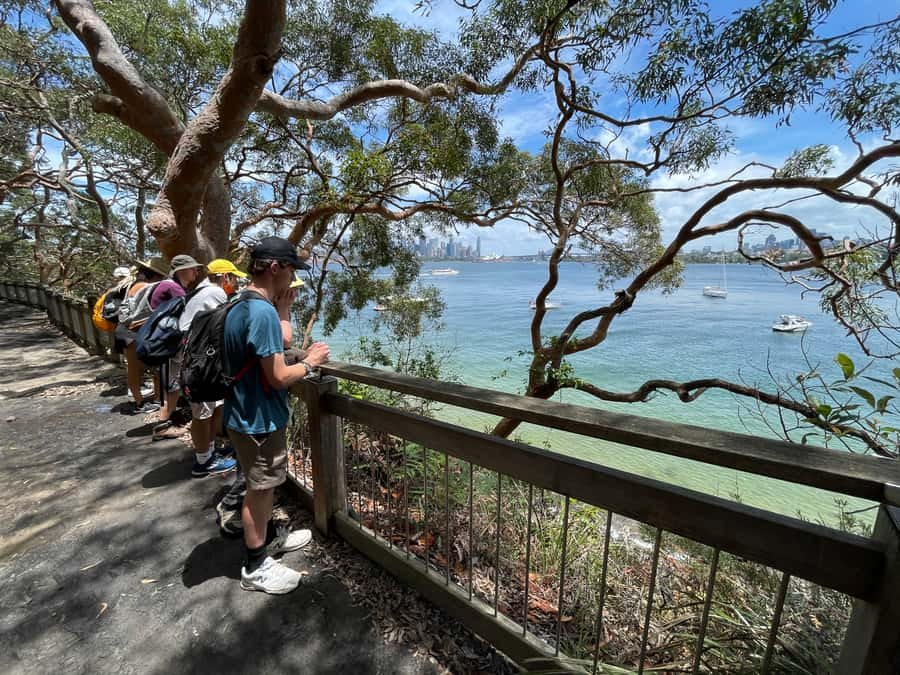
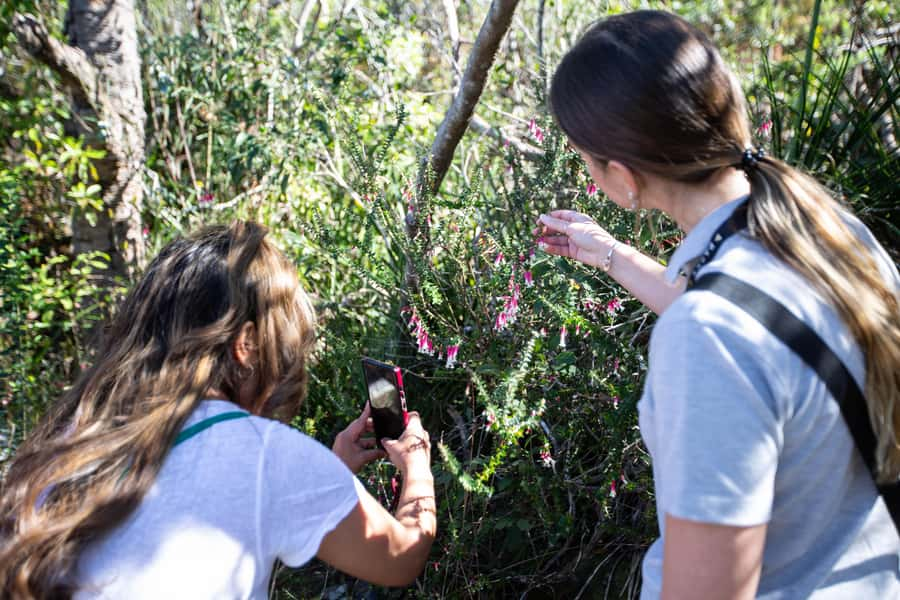
The natural part of the route is the easiest to picture. You walk beneath thick canopies of Sydney red gum trees, with native bushland around you and the water nearby. The setting gives you a break from city streets without requiring a full-day trip out of Sydney.
I like that the walk does not treat the trees as background decoration. The tour focuses on local flora and fauna, helping you notice the park as living habitat. In rare pockets of bushland such as this, the chance to see native animals is part of the experience, not just a bonus photo opportunity.
Keep your eyes open for water dragons and blue tongue lizards. Rainbow lorikeets and brush turkeys are also possible sightings, while king parrots are more elusive. These are wild animals, so you may see several species, one or none. The sensible approach is to watch carefully and let the guide point out signs of life rather than expect a wildlife show.
The water’s edge provides a second kind of pleasure. You can photograph the harbour, the sandstone shoreline, and the contrast between the rough rock and the city views beyond. If you visit during winter, look toward the water for whales on their annual northward migration. A whale sighting is not promised, but the possibility adds a good reason to keep scanning the horizon.
Sandstone Formations and Photo Stops
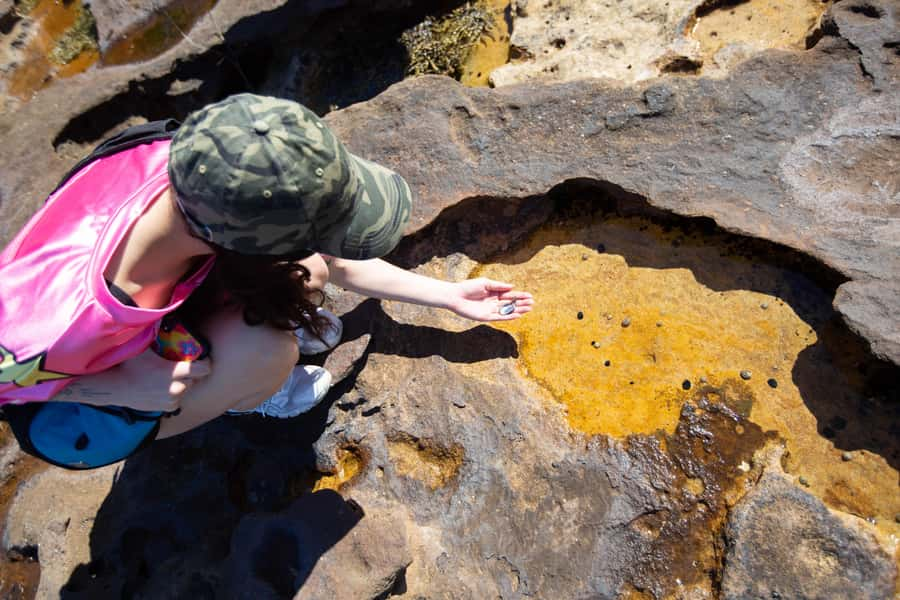
The park’s sandstone is one of the walk’s visual highlights. Along the shore, you can admire intricate rock formations shaped by natural forces over time. The rock gives the coastline a distinctly Sydney character, linking the national park to the cliffs and cuttings seen across the wider harbour area.
This is a good tour for people who want photographs with more variety than the standard harbour skyline. You can frame the water through trees, use sandstone as a foreground, and capture military structures or historic sites without leaving the park setting. The guide also points out scenic and iconic places that can be easy to pass without understanding their importance.
Still, this is not a dedicated photography tour. You will be walking with a group and following the guide’s route, so you should not expect long periods at every viewpoint. Bring your phone or camera, but keep it ready rather than planning a full tripod session.
The park scenery changes quickly. One minute you may be under a leafy canopy, and the next you may have a broad view across the harbour. That variety helps the two hours pass quickly, especially if you enjoy walking with a purpose rather than simply following a paved waterfront path.
Aboriginal Heritage and the Park’s Earlier Stories
The cultural side of the tour gives the scenery a stronger sense of place. Your guide introduces Aboriginal heritage connected with the park, helping you understand that the area’s story began long before its military use or its popularity with modern visitors.
The information provided does not specify particular Aboriginal sites or communities on the route, so you should not arrive expecting a set list of named landmarks. What you can expect is interpretation of Aboriginal heritage as part of the park’s cultural history.
That approach is useful because it prevents the walk from becoming a simple parade of colonial structures. Sydney Harbour National Park holds more than one story, and the tour aims to place Aboriginal heritage alongside the later history of settlement, defense, and conservation.
You may find this portion more rewarding if you allow time to listen rather than focus only on photographs. The setting is scenic, but the guide’s explanations are what connect the bushland and shoreline to the people who have known and used this place across different periods.
More National Park Tours in Australia:
- Litchfield National Park and Jumping Crocodile Cruise
★ 5.0 · 2,119 reviews - Grampians National Park Small-Group Eco Tour from Melbourne
★ 5.0 · 761 reviews - From Port Arthur: Tasman Island Wilderness Cruise
★ 4.9 · 704 reviews - Sydney: Blue Mountains National Park Tour with River Cruise
★ 4.6 · 701 reviews
Convict-Built Buildings and Military Fortifications
The historic features provide a sharp change from the bush. You encounter convict-built buildings and military fortifications, with interpretation about how these places worked and why they were built. The guide also tells the story of when war came to Sydney.
That phrase points to one of the tour’s most distinctive themes. Sydney Harbour was not only a beautiful waterway. It was also a strategic harbor that needed protection, and the park preserves evidence of that concern. The fortifications show how the shoreline was shaped by military planning as well as natural beauty.
I like this part because it gives the walk a clear thread. You are not looking at old stonework as a vague relic. You are learning how the harbor’s defenses fit into Sydney’s past. The guide’s fortification interpretation talks are included in the price, so you do not need prior knowledge to follow the story.
The supplied information does not identify every building or fortification you will visit, and the exact route may vary with conditions. It is best to think of this as a guided introduction to the park’s defense history, not a full specialist tour of every military site.
The mix of military remains and native bush is especially effective. Vegetation grows around structures made for conflict, while the harbour remains calm beyond them. That contrast gives the park its particular character.
Wildlife Watching Without the Zoo Routine
The wildlife element works best when you treat it as a quiet search. Native animals live in rare pockets of bushland that were once more common around Sydney, and the tour helps you look for them in their own setting.
Water dragons and blue tongue lizards may appear near the ground or rocks. Rainbow lorikeets can add flashes of color among the trees, while brush turkeys are another possible sight. King parrots are described as elusive, so spotting one would be a lucky moment rather than a standard stop.
You should bring patience and keep noise down when practical. Do not count on a particular animal appearing, and do not measure the tour by the number of creatures you see. The guide’s conservation commentary is important because it explains why these small pockets of habitat matter in a major city.
This is a better fit for you if you enjoy noticing small details. If you want guaranteed close-up wildlife, this is not the right activity. If you like the idea of seeing an animal unexpectedly while walking through a real park, it has much more appeal.
What the $41 Price Covers
At $41 per person, the tour offers fair value if you want context rather than a self-guided stroll. The price includes the two-hour experience, an English-speaking professional guide, park entry, wildlife and conservation information, photo opportunities, and talks about the fortifications.
Park entry alone is not the main reason to book. The value comes from having someone explain the cultural history, Aboriginal heritage, military defenses, and natural life in one compact outing. Without a guide, you could still enjoy the trees, rocks, and views, but you would miss much of the connection between them.
The tour is particularly useful for a first Sydney visit or for anyone who has already seen the major city sights and wants a quieter outing. It also works well for a Sunday morning, when you may want a structured activity without committing to a full-day excursion. One booking described it as an excellent way to spend that part of the weekend, and that fits the timing well.
Food and drinks are not included. Carry your own reusable water bottle, and eat beforehand or plan food separately. Hotel pickup and drop-off are also not included, so you need to make your own way to Athol Wharf Road.
The Practical Side: Shoes, Weather, and Access
Wear comfortable clothes and closed-toe shoes. This is a walking tour through bushland and historic areas, not a flat indoor visit. The available information does not give a distance or a detailed grade, but the activity is specifically unsuitable for people with mobility impairments and wheelchair users.
The tour runs rain or shine. That makes a rain jacket sensible if the forecast is uncertain, though the required information only specifically asks you to bring comfortable clothing, closed-toe shoes, and a reusable water bottle. Do not book this expecting the activity to move indoors if the weather turns.
You receive a live guide in English. The guide provides expert commentary during the walk, and previous bookings praised the organization, friendliness, and quality of the explanations. No guide name is provided, so you cannot request a particular guide in advance.
Free cancellation is available up to 24 hours before the activity for a full refund. You can also reserve now and pay later, which helps if your Sydney plans are still shifting. Starting times depend on availability, so check the schedule before building the rest of your day around it.
Who Will Enjoy This Walk Most
I would recommend this for you if you like short walks with several subjects woven together. You get nature, views, history, Aboriginal heritage, conservation, and military interpretation in one outing. That range is the tour’s main strength.
It is also a good choice for photographers who want more than the familiar harbour viewpoint. The sandstone, trees, water, fortifications, and native animals offer varied subjects, though you will need to work within the group’s pace.
Families with older children may find the wildlife and military stories engaging, but the activity is not suitable for everyone with limited mobility. The supplied information does not give a minimum age or a specific walking distance, so you should check directly if you need those details before booking.
This is less suitable if you dislike guided walks, want a strenuous hike, or need guaranteed animal sightings. It is also not ideal if you have only a few hours in Sydney and care mainly about the Opera House, Harbour Bridge, or city center. The walk offers harbour views, but its focus is the national park and its stories.
Should You Book the Sydney Harbour National Park Walk?
Book it if you want to see a less polished, more natural side of Sydney while still staying close to the harbour. The two-hour length is manageable, the $41 price includes park entry and a live guide, and the combination of wildlife, sandstone, Aboriginal heritage, and fortifications gives the walk real variety.
Skip it if you need step-free access, dislike walking in uncertain weather, or want a detailed tour led by a named specialist. For everyone else, this is a sensible way to spend a morning or afternoon, especially if you value clear explanations as much as photographs. Bring water, wear proper shoes, arrive 10 minutes early, and keep one eye on the trees and one on the harbour.
FAQ
How long is the Sydney Harbour National Park walking tour?
The tour lasts two hours.
Where does the tour meet?
Meet your guide at EcoWalks Tours on Athol Wharf Road.
What language is the tour conducted in?
The live tour guide speaks English.
What does the $41 price include?
The price includes the two-hour tour, a professional guide, park entry, wildlife and conservation information, photo opportunities, and fortification interpretation talks.
Is food or drink included?
No. Food and drinks are not included. You should bring a reusable water bottle.
What should I wear and bring?
Wear comfortable clothes and closed-toe shoes, and bring a reusable water bottle.
Is the tour suitable for wheelchair users?
No. The tour is not suitable for wheelchair users or people with mobility impairments.
Newest park tours we have reviewed in Australia
- Kakadu National Park Full Day Tour + Yellow Water River Cruise★ 5.0 · 16 reviews
- Kakadu National Park Evening Tour + Yellow Water Sunset Cruise★ 5.0 · 4 reviews
- Litchfield National Park Waterfalls & Wildlife Adventure Tour★ 5.0 · 30 reviews
- Nitmiluk National Park & Katherine Hot Springs – Full Day Tour★ 5.0 · 12 reviews
- Kakadu National Park Cultural Experience + Scenic Flight★ 5.0 · 8 reviews
- Kakadu National Park Scenic Flight &Yellow Water Cruise★ 5.0 · 28 reviews
- Small-Group Trekking Experience in Daintree National Park★ 5.0 · 4 reviews
- Day Excursion Burnie Cradle Mt National Park★ 4.5 · 8 reviews
Australia National Park Tours, compared.
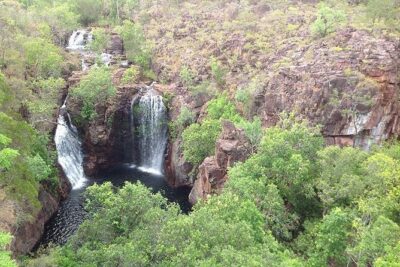
Litchfield National Park and Jumping Crocodile Cruise
Read our review →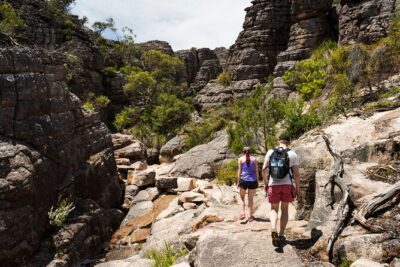
Grampians National Park Small-Group Eco Tour from Melbourne
Read our review →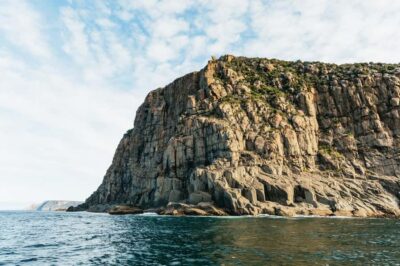
From Port Arthur: Tasman Island Wilderness Cruise
Read our review →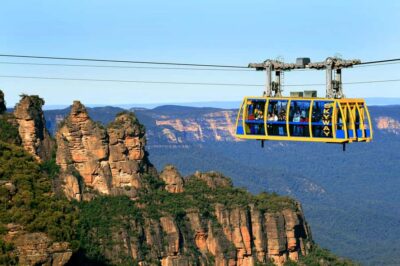
Sydney: Blue Mountains National Park Tour with River Cruise
Read our review →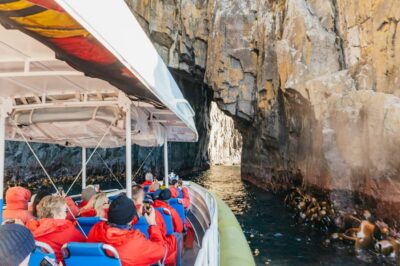
From Hobart/Adventure Bay: Bruny Island Wilderness Cruise
Read our review →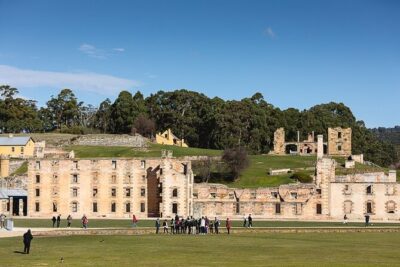
Port Arthur Full-day Guided Tour with Harbour Cruise and Tasman National Park
Read our review →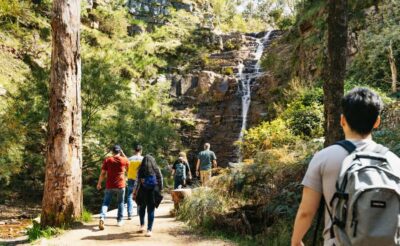
Grampians National Park Small-Group Eco Day Tour
Read our review →
Hobart: Bruny Island Wilderness Coast Eco Cruise with Lunch
Read our review →Lists this park day appears in