
Reviewed · AUSTRALIA NATIONAL PARK TOURS
Melbourne: Wilsons Promontory Morning Wilderness Cruise
Wilsons Promontory’s southern coast is best seen from the water, where granite islands, seal colonies, and Bass Strait open up around you. This 150-minute wilderness cruise takes you to South Point, Skull Rock, and the park’s outer islets aboard a custom-built amphibious boat, a memorable change from the usual beach walk.
I like the mix of wildlife and scenery, especially the chance to see seals, dolphins, or migrating whales against a rugged granite coast. I also like the guides’ practical approach: guides such as Damo, Nash, Matt, and others combine local stories, safety advice, and natural history without turning the ride into a lecture.
The main caution is the sea. Strong wind and choppy water can make the journey rough, and whale sightings are never guaranteed. If you get seasick, choose a calm day if possible, bring warm clothing, and consider using the ginger tablets offered before departure.
Key points to know before you book
- South Point by sea: Reach the southernmost point of mainland Australia from the water, with Bass Strait spread around the boat.
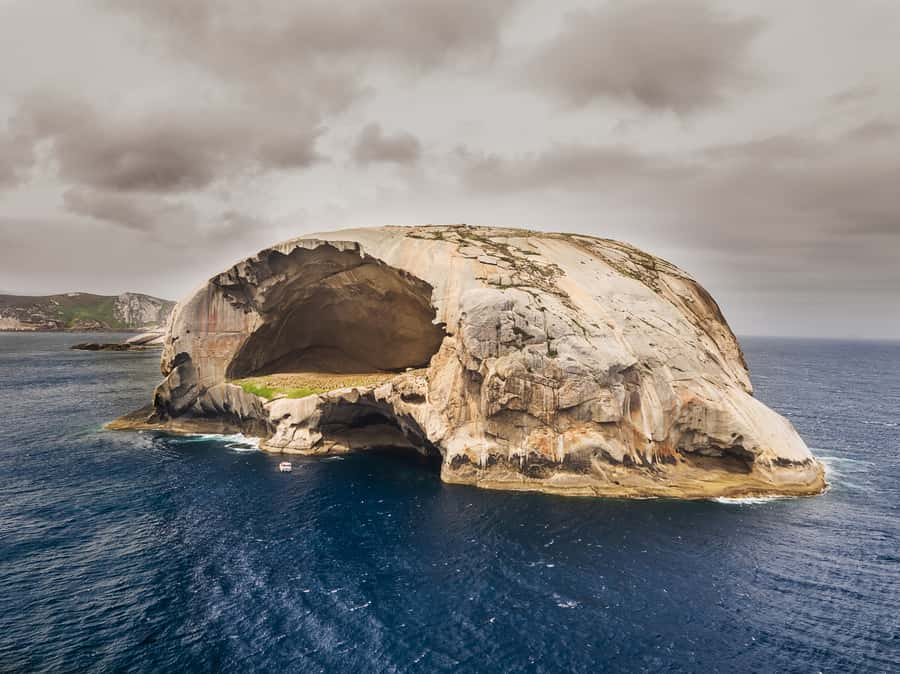
- Skull Rock up close: See the granite monolith’s strange skull shapes appear as you approach.
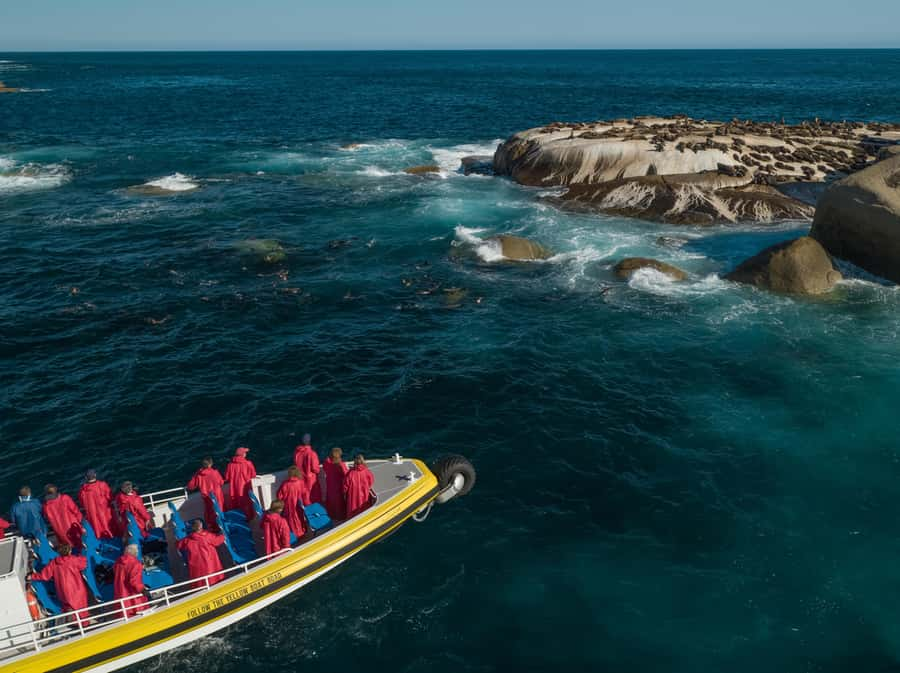
- Wildlife watching: Keep your eyes open for seals, dolphins, and migrating whales, though sightings depend on conditions.
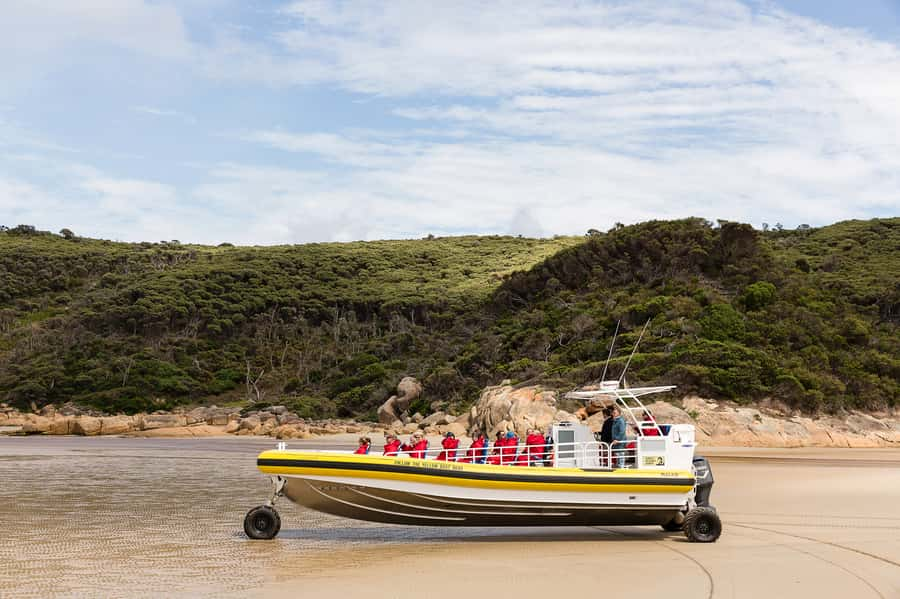
- A lively amphibious boat ride: The custom-built vessel makes the trip part sightseeing cruise and part outdoor adventure.
- Warmth matters: A waterproof and windproof jacket is supplied, but you still need warm layers.
- Allow extra time at check-in: Arrive 30 minutes early for registration, the safety briefing, and the walk or transfer to the vessel.
Why the water gives you a better view of Wilsons Prom
Wilsons Promontory is famous for its beaches and walking tracks, but the coast looks different from offshore. From the boat, you see the granite cliffs and islands as one connected sweep, with the southern tip pointing into Bass Strait.
The cruise enters the waters of Victoria’s first marine national park. That matters because the trip is not simply a fast ride along a pretty shoreline. The guides explain the wildlife, landforms, and history of the area while you move between coastal stops.
I like this format for a first look at the Prom. You cover a lot of ground in two and a half hours, and you see places that are difficult or impossible to reach on foot. The trade-off is that your view depends on the sea. On a calm morning, the trip can feel smooth and scenic. On a rough morning, the boat ride itself becomes the main event.
The experience begins at the ticketing office in the same building as the Tidal River Open Air Cinema. You need to check in 30 minutes before departure. That early arrival is useful rather than fussy, since the crew needs time for the safety briefing and for getting everyone to the boat.
More National Park Tours in Australia:
- Litchfield National Park and Jumping Crocodile Cruise
★ 5.0 · 2,119 reviews - Grampians National Park Small-Group Eco Tour from Melbourne
★ 5.0 · 761 reviews - From Port Arthur: Tasman Island Wilderness Cruise
★ 4.9 · 704 reviews
Boarding a custom amphibious boat
The vessel is the unusual feature here. You are not boarding a standard sightseeing ferry. The tour uses a large custom-built amphibious boat designed for this coastline and described as the world’s largest of its kind.
That design helps make the cruise feel more adventurous. You are close to the elements, with wind, spray, and the motion of Bass Strait forming part of the experience. A waterproof and windproof jacket is provided, but do not treat it as a substitute for warm clothes. Wear layers that you can keep on during the ride.
The boat ride can be lively. One family described getting wet and still finding the trip well worth it, while another passenger warned that choppy conditions may not suit anyone prone to seasickness. Those two points fit together: the motion and spray are part of the fun, but they also set a limit on comfort.
The crew takes safety seriously. The briefing comes before departure, and the guides keep checking that people are comfortable, particularly when the weather turns. Ginger tablets may be available for seasickness, but you should not rely on them as your only plan. If motion sickness is a concern, eat lightly beforehand and choose a calm forecast when you can.
South Point and the edge of Bass Strait
One of the first major sights is South Point, the southernmost point of mainland Australia. It is a simple geographic fact, but seeing the tip from the water gives it weight. You are looking at the end of the mainland, where the coast meets open Bass Strait.
The boat provides a useful sense of scale. The Promontory is not just a narrow point on a map. It is a long, rugged reach of granite, beaches, islands, and exposed sea. Your guide will point out the location and explain what you are seeing, adding context that you would miss if you only stopped for a photograph.
Weather changes the mood here. Bright conditions bring blue water and clear rock shapes. Grey skies and wind make the coast look tougher and more remote. The cruise still has value in less-than-perfect weather, but do not book it solely for postcard conditions. The operator requires good weather, and a cancellation due to poor conditions means a different date or a full refund.
The Glennies, Anderson Islets, and Anser Island
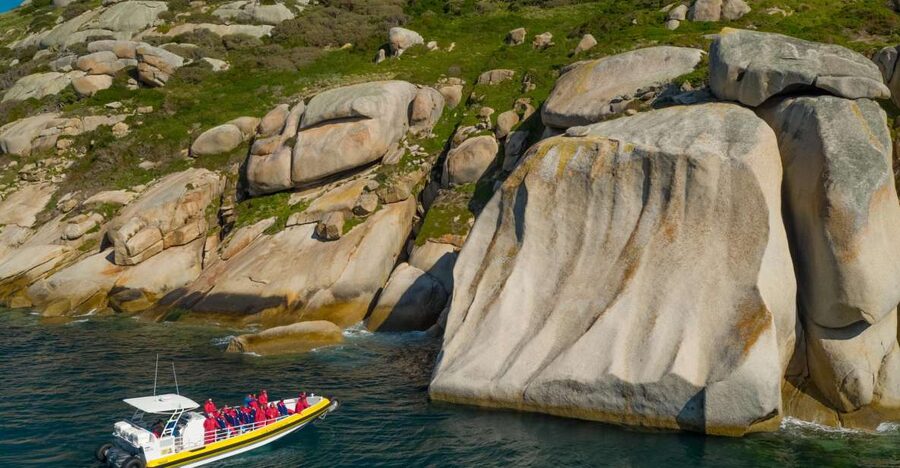
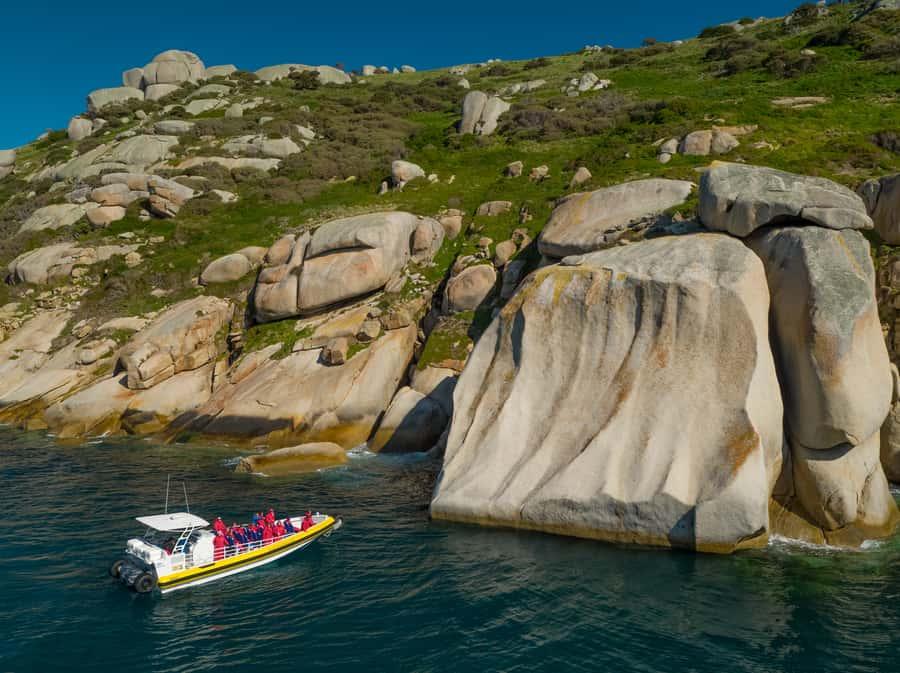
The route continues past the Glennies, Anderson Islets, and Anser Island. These offshore formations show the broken edge of Wilsons Promontory, where granite has been shaped by weather and waves.
This is one of the strongest parts of the trip for anyone who enjoys geology and wild coastal scenery. The islands are not presented as separate attractions with long stops and facilities. Instead, they form a moving sequence of cliffs, boulders, channels, and open water.
That constant movement is also the drawback. You need to pay attention because the view changes quickly. If you want detailed photographs, keep your camera ready, but remember that spray and boat movement can make photography difficult. I would give your eyes priority and take pictures during slower sections or when the boat pauses.
The guides add useful detail about the area and its wildlife. Their style seems friendly and informal, with room for jokes as well as facts. Names vary by departure, but Damo, Nash, Matt, Dave, and Gareth have all guided trips. The important thing is the crew’s role: they steer, explain the sights, watch conditions, and help make the ride feel controlled rather than reckless.
Same region, a different park day:
- Sydney: Blue Mountains National Park Tour with River Cruise
★ 4.6 · 701 reviews - From Hobart/Adventure Bay: Bruny Island Wilderness Cruise
★ 4.8 · 601 reviews - Port Arthur Full-day Guided Tour with Harbour Cruise and Tasman National Park
★ 4.5 · 585 reviews - Grampians National Park Small-Group Eco Day Tour
★ 4.8 · 577 reviews
Mount Oberon and Norman Beach from offshore
As the boat passes the coast near Norman Beach, you can look back toward the prehistoric-looking boulders of Mount Oberon. From the water, the mountain and beach sit together as a broader view of the Prom’s interior and coast.
Norman Beach is known for its white quartz sand, while Mount Oberon supplies the darker, rougher granite form behind it. Seeing both from offshore helps you understand the contrast between the Prom’s beaches and its rocky headlands.
This part is less about one dramatic stop and more about the changing view. The boat lets you compare the smooth sweep of sand with the hard shapes of granite. It is a good reminder that the park’s appeal comes from variety, not one single landmark.
If your main goal is a long beach walk, this cruise will not replace time on Norman Beach. If your goal is to understand how the coast fits together, the offshore view adds something you cannot get from land.
Skull Rock and its changing shapes
Skull Rock is the visual high point of the route. This granite monolith has been sculpted by waves, leaving holes and shadows that create skull-like forms in the rock.
The closer the boat gets, the more shapes you can pick out. That makes the stop work well for both children and adults. You can look for faces and openings while the guide explains how the sea has shaped the rock.
The water around Skull Rock is often part of the spectacle. Clear blue water, pale granite, and the dark openings in the rock create a strong contrast. On a rough day, waves add drama but may make it harder to hold a camera steady or hear every word from the guide.
I would not judge the whole cruise by Skull Rock alone. It is the most recognizable sight, but the islands, wildlife, and South Point give the trip its full shape. Still, if you want one memorable photograph from the morning, this is likely to be it.
Watching seals, dolphins, and migrating whales
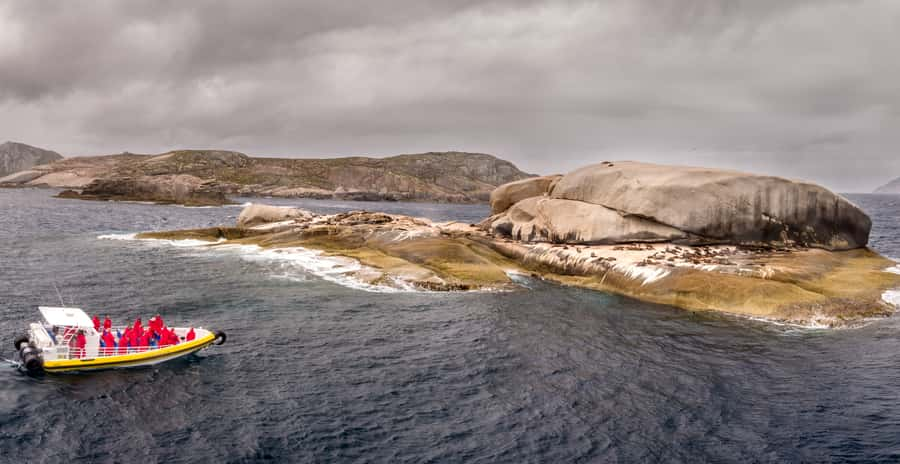
Wildlife is a major reason to book the cruise, but you should treat sightings as a possibility rather than a promise. The route passes areas where you may see thousands of seals, along with dolphins and migrating whales.
Seals are often the most dependable wildlife highlight. Their presence adds movement and personality to the rocky coastline, especially when they are gathered near offshore rocks. Dolphins may appear in pods, but you need a little luck and patience. Whales are seasonal migrants and can be difficult to spot in strong wind or waves.
One morning can produce a rich collection of wildlife, while another may give you mostly scenery. That uncertainty is normal on a nature cruise. The guides help by explaining what to watch for and where to look, but they cannot control the animals or the sea.
Bring binoculars if you already have a compact pair, but do not let equipment get in the way. The crew will usually help direct your attention. Keep scanning the water near the boat and the rocks rather than staring at one fixed point.
What the guides add to the trip
The guides are central to the experience. The boat ride would still offer fine views without commentary, but the explanations help you understand why a particular rock, island, or stretch of water matters.
The best guide style here is conversational. Damo and Nash, for example, have been praised for combining enthusiasm with strong local knowledge, while other crews have been described as friendly, professional, and careful about passenger comfort. You can expect information about wildlife, landmarks, and the national park’s past without a formal classroom atmosphere.
The crew also keeps the practical side moving. They handle check-in, safety instructions, jackets, and the transition to the vessel. One older couple celebrating a 90th birthday received extra help getting from the meeting point to the boat and back, showing that the staff can offer assistance when needed.
That said, the boat remains an outdoor activity. You may need to deal with spray, cold air, rough movement, and a muddy or tiring route toward the boat. If you have limited mobility, contact the operator before booking rather than assuming every part of the transfer will be easy.
Is $109 a fair price?
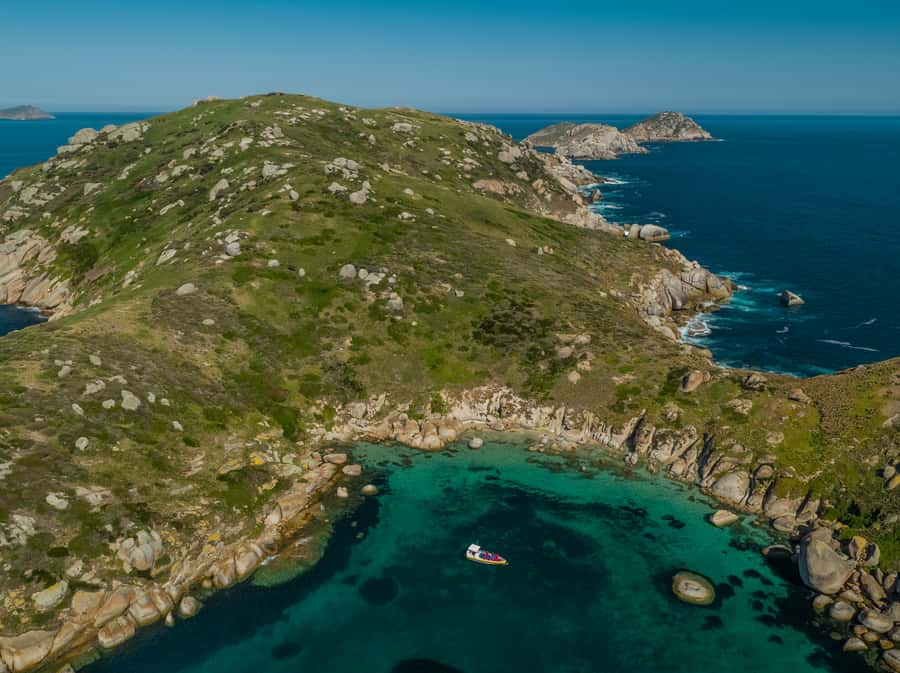
At $109 per person, this is not a cheap add-on, but the price covers a substantial 150-minute outing with a guide, the boat trip, and a supplied waterproof and windproof jacket.
I think the value is strongest if you are already spending time at Wilsons Promontory and want a different view of the park. You reach South Point, offshore islands, wildlife areas, and Skull Rock in one morning. Reaching all of those places independently would not be practical.
The value is weaker if you dislike boat motion or only want guaranteed wildlife. No one can promise dolphins or whales, and rough water may reduce comfort. In that case, the beaches and walking tracks may be a better use of your time.
The ability to reserve now and pay later also helps if your wider plans are still changing. Free cancellation up to 24 hours before departure gives you some protection, while weather cancellations offer a new date or a full refund.
Who should book this cruise?
I would recommend it to families, couples, photographers, nature lovers, and anyone visiting the Prom for the first time. Children can find the boat ride exciting, while the combination of wildlife and short explanations gives adults plenty to enjoy.
It also suits visitors who cannot spend a full day on long walks but still want to see the southern coast. The cruise offers a broad view in a fixed two-and-a-half-hour window.
People sensitive to motion should think carefully. The boat may be smooth on a calm morning, but strong wind and waves can make the trip rough. Pregnant passengers, people with serious mobility concerns, or anyone worried about seasickness should ask the operator specific questions before booking.
Service animals are permitted on board. Infants must sit on laps. Food and drinks are not included, so plan those separately before or after the cruise.
Should you book the Wilsons Promontory morning cruise?
Book it if you want to see Wilsons Promontory from the water, care about the park’s wildlife, and can accept changing weather. The strongest reasons are the amphibious boat, the offshore view of South Point and Skull Rock, and the crew’s clear enthusiasm for the area.
Skip it if you need a calm, dry, guaranteed wildlife outing. The sea can be rough, whales may not appear, and the approach to the boat may be muddy or tiring.
For most visitors with a morning to spare, I think the $109 price is reasonable. Wear warm clothes, arrive 30 minutes early, take seasickness seriously, and let the crew show you the coast beyond the walking tracks.
FAQ
How long is the Wilsons Promontory Morning Wilderness Cruise?
The cruise lasts 150 minutes, or two and a half hours.
What sights are included on the route?
The trip includes South Point, the Glennies, Anderson Islets, Anser Island, Mount Oberon near Norman Beach, and Skull Rock.
What wildlife might I see?
You may see seals, dolphins, and migrating whales. Wildlife sightings depend on sea and weather conditions and are not guaranteed.
Is a jacket provided?
Yes. A waterproof and windproof jacket is included. You should still bring warm clothing.
Where do I check in?
The ticketing office is in the same building as the Tidal River Open Air Cinema.
How early should I arrive?
You should check in 30 minutes before departure. This allows time for check-in, the safety briefing, and getting to the boat.
What happens if the weather is poor?
The experience requires good weather. If the operator cancels because of poor conditions, you can choose another date or receive a full refund.
Newest park tours we have reviewed in Australia
- Kakadu National Park Full Day Tour + Yellow Water River Cruise★ 5.0 · 16 reviews
- Kakadu National Park Evening Tour + Yellow Water Sunset Cruise★ 5.0 · 4 reviews
- Litchfield National Park Waterfalls & Wildlife Adventure Tour★ 5.0 · 30 reviews
- Nitmiluk National Park & Katherine Hot Springs – Full Day Tour★ 5.0 · 12 reviews
- Kakadu National Park Cultural Experience + Scenic Flight★ 5.0 · 8 reviews
- Kakadu National Park Scenic Flight &Yellow Water Cruise★ 5.0 · 28 reviews
- Small-Group Trekking Experience in Daintree National Park★ 5.0 · 4 reviews
- Day Excursion Burnie Cradle Mt National Park★ 4.5 · 8 reviews
Australia National Park Tours, compared.
Litchfield National Park and Jumping Crocodile Cruise
Read our review →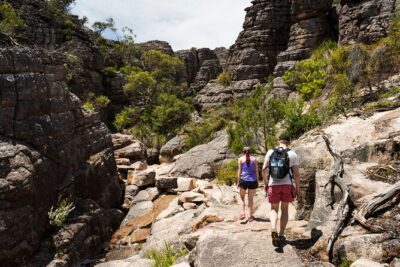
Grampians National Park Small-Group Eco Tour from Melbourne
Read our review →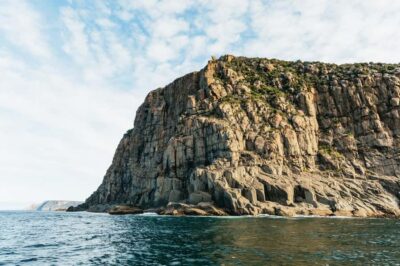
From Port Arthur: Tasman Island Wilderness Cruise
Read our review →
Sydney: Blue Mountains National Park Tour with River Cruise
Read our review →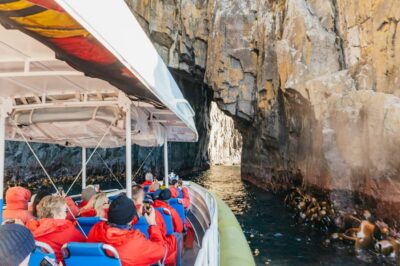
From Hobart/Adventure Bay: Bruny Island Wilderness Cruise
Read our review →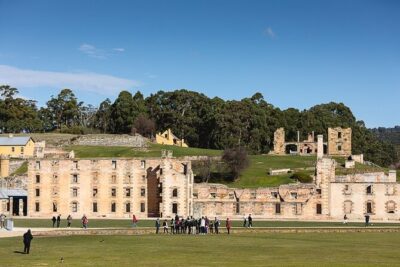
Port Arthur Full-day Guided Tour with Harbour Cruise and Tasman National Park
Read our review →
Grampians National Park Small-Group Eco Day Tour
Read our review →
Hobart: Bruny Island Wilderness Coast Eco Cruise with Lunch
Read our review →Lists this park day appears in