Reviewed · VOLCANO NATIONAL PARK TOURS
Kilauea: Volcanoes National Park Guided Hike
Kīlauea can change from quiet crater to active volcano with little warning, and that uncertainty is the heart of this three-hour hike. You walk a four-mile loop through native Hawaiian rainforest, across volcanic ground, and around a hardened lava lake while your guide explains what you are seeing. If activity changes, you may get a real-time update and a better chance to view lava.
I like the small groups of no more than 10, which give you room to ask questions and set a comfortable pace. I also like the guides’ serious grasp of geology, plants, wildlife, Hawaiian stories, and current eruption data. The main consideration is weather and volcanic activity: this tour runs rain or shine, and lava is never guaranteed.
Key points at a glance
- Four-mile loop hike: Expect about three hours on foot through native forest and volcanic terrain.
- Guides with specialist experience: Jennifer and Yvonne explain Kīlauea’s geology, eruptions, flora, fauna, and Hawaiian traditions.
- Real-time volcano updates: Activity reports can shape the timing and viewing plan.
- Small-group setting: The maximum group size is 10, with no shared van ride.
- Useful equipment included: Backpacks, trekking poles, and a healthy snack are provided.
- Volcano House finish: The route ends at the restaurant and bar, a convenient place to eat and take in the view.
Starting at Kīlauea Visitor Center
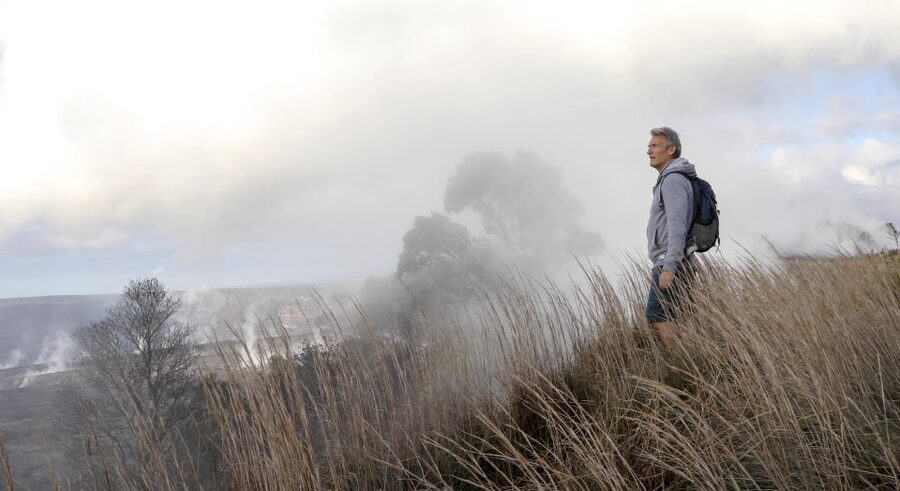
You meet at the Kīlauea Visitor Center, the practical starting point for getting oriented in the park. Since hotel pickup is not included, you need to arrange your own way there and pay the national park entrance fee separately.
That meeting point matters. Volcanoes National Park is large, and a guide-led walk is far more useful when you begin with a clear plan rather than trying to guess which trail, overlook, or crater feature fits your time. The guide can also respond to current conditions, which is especially important around an active volcano.
The tour is offered in English. Jennifer and Yvonne have both led this walk, and the strongest part of their guiding style is the way they connect several subjects at once. A plant is not just a plant, a steam vent is not just a hole in the ground, and a crater is not simply a good photo stop. You learn how geology, ecology, local culture, and present-day volcanic activity fit together.
The group limit of 10 keeps the experience personal. You are not packed into a large procession, and you can stop to ask about a sulfur smell, an unusual tree, an old eruption, or a Hawaiian legend without holding up a crowd of dozens.
More Park Hiking and Trekking Tours in the USA
- San Francisco: Yosemite National Park & Giant Sequoias Hike
★ 4.5 · 1,777 reviews - Everglades National Park Biologist Led Adventure: Cruise, Hike + Airboat
★ 5.0 · 685 reviews - The Narrows: Zion National Park Private Guided Hike
★ 5.0 · 209 reviews
Through native Hawaiian rainforest
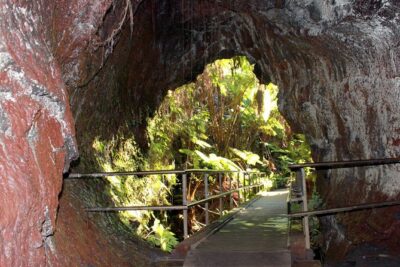
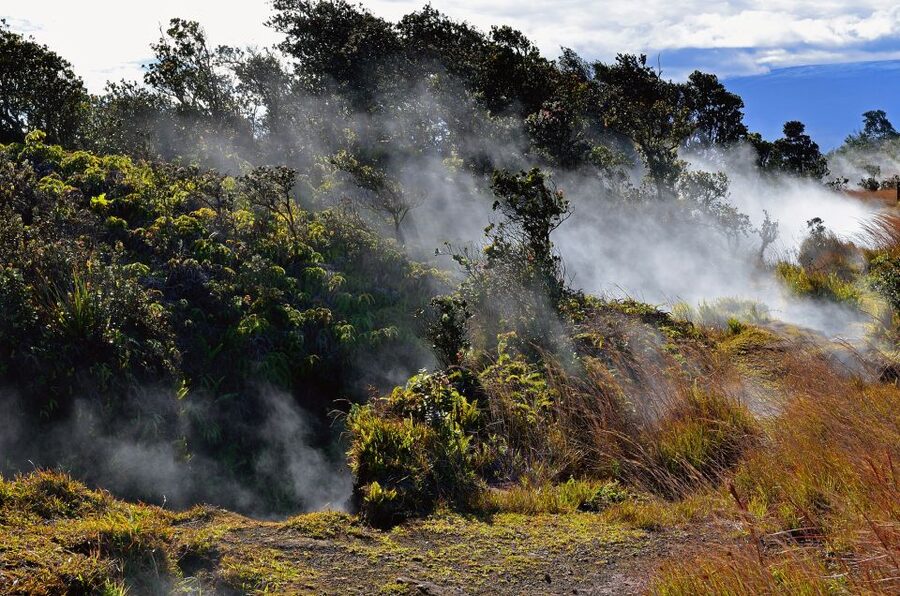
The first major contrast is the forest. Kīlauea is famous for black rock and open crater views, but this hike also takes you through a native Hawaiian rainforest microclimate. That change in setting gives the walk more variety than a simple crater overlook visit.
Your guide points out native plants and explains the fauna that lives in this unusual volcanic environment. Hawaiian chickens may appear along the way, and the guides also discuss the difference between native and invasive plants. That is useful context because the park is not just a scenic backdrop. It is a living place shaped by rain, elevation, volcanic soil, introduced species, and long-term conservation work.
This is also where the pace works in your favor. A hurried walk can make the forest feel like a passage between better-known sights. A guide who stops to explain what you are seeing turns it into one of the main attractions.
Bring water and wear proper hiking shoes. Comfortable shoes are required, and open-toed shoes, high heels, and intoxication are not permitted. Rain gear is a wise choice even if the forecast looks good. The tour operates rain or shine, so a wet day is part of the deal rather than a reason to expect an automatic change of plan.
Reading the volcanic ground beneath you
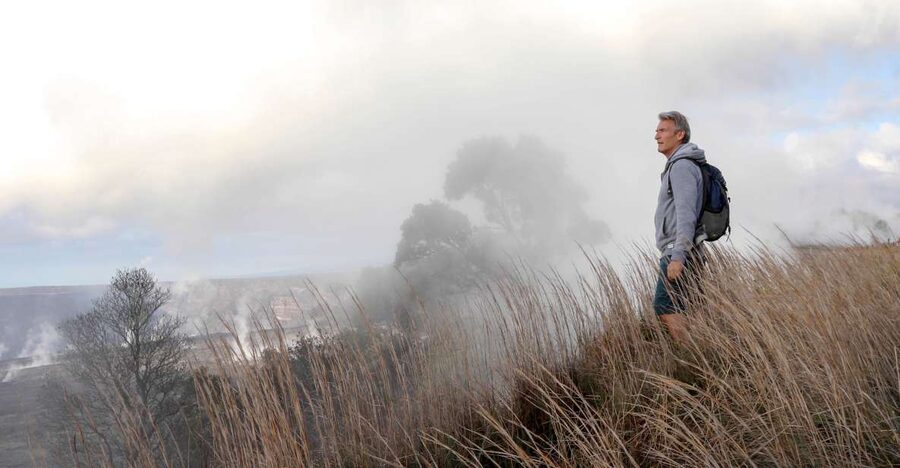
The walk becomes more meaningful when your guide explains the volcanic geology underfoot. You may learn about hardened lava, caldera formation, sulfur vents, earthquakes, steam, and past eruptions. The point is not to memorize technical terms. It is to help you read the ground around you.
A particularly useful feature is the discussion of current volcanic activity. One guide has used tilt-meter charts during the walk to show how scientists track changes in the volcano. That sort of material gives you a clearer sense of how an eruption is monitored, rather than treating lava as a surprise spectacle with no warning signs.
Jennifer has also shared photos and videos from recent eruptions, while both Jennifer and Yvonne are praised for answering detailed questions without making the walk feel like a classroom lecture. Their explanations cover the physical volcano, but also the surrounding plants, animals, local stories, and Hawaiian ways of regarding Pele and volcanic country.
The educational side is a major reason to pay for this tour. You can walk through the park on your own for less, but you may miss why a feature matters. A guide helps turn scattered sights into a connected story.
Around the hardened lava lake
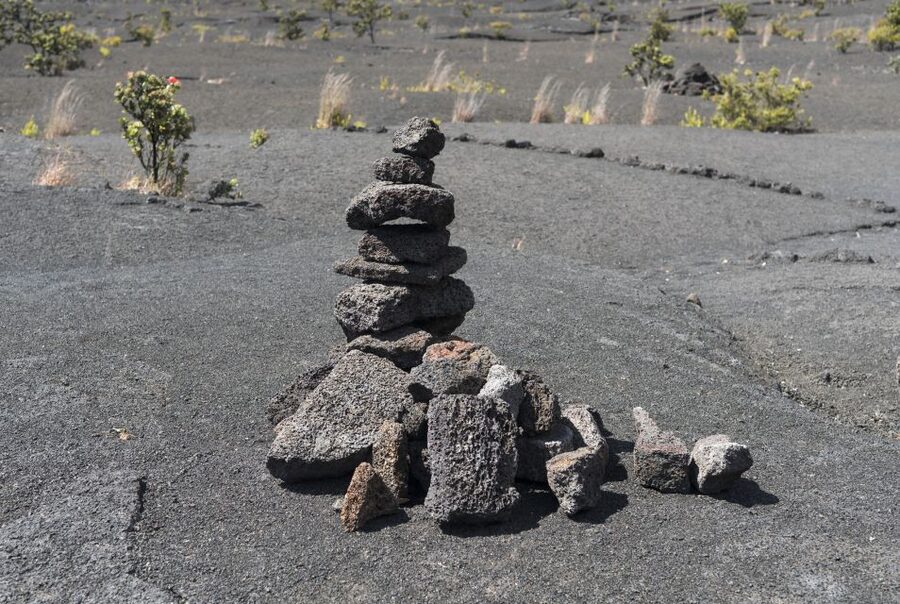
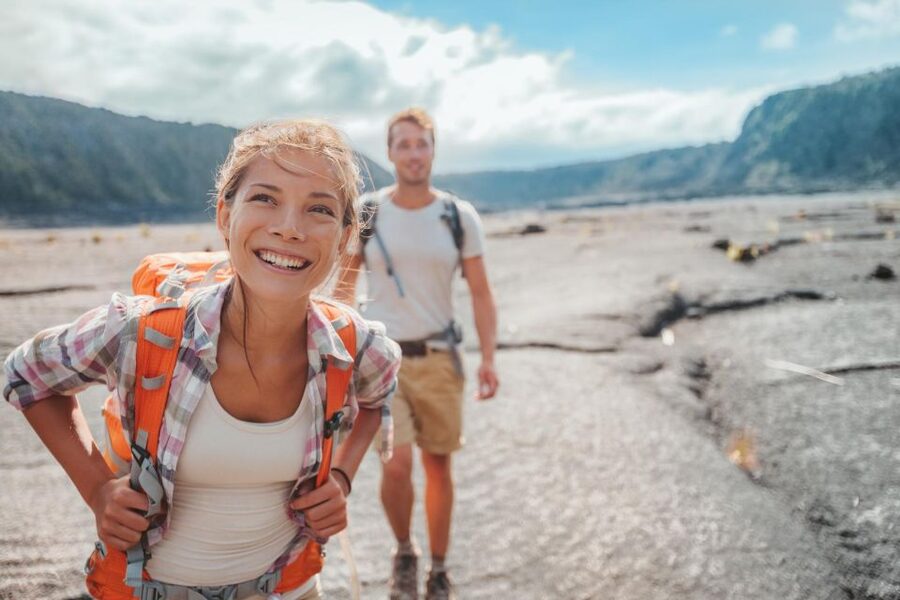
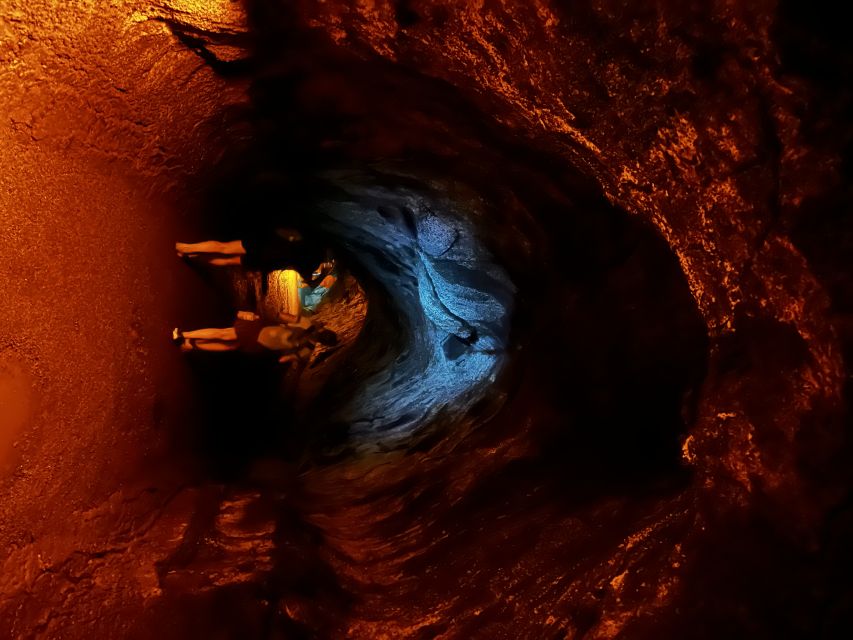
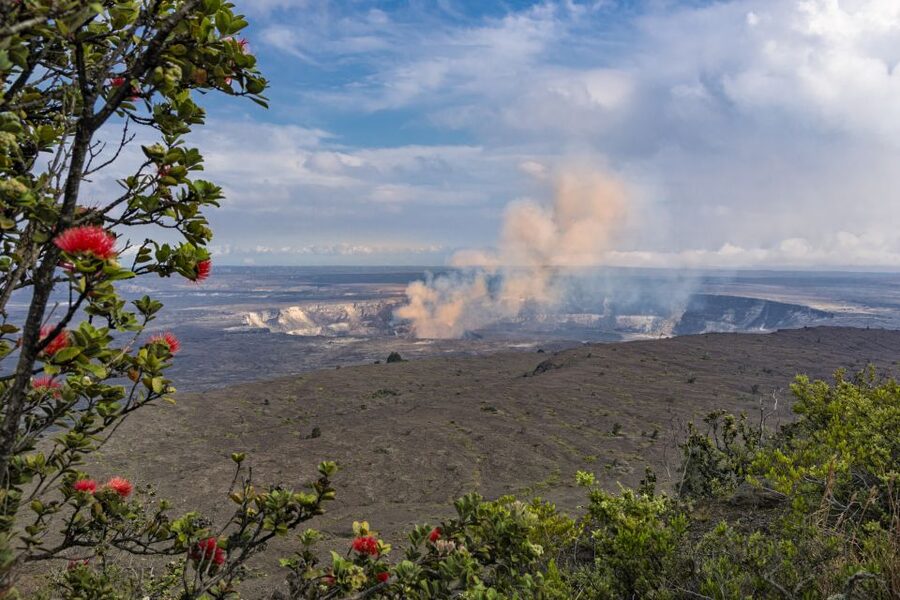
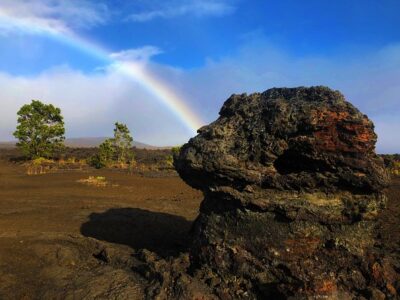
The four-mile route takes you around a hardened lava lake. The phrase can sound calm, but it describes the remains of intense volcanic activity. Here, your guide can explain how molten rock moved, cooled, and altered the ground.
The exact appearance of the area will depend on weather, light, and recent volcanic conditions. That unpredictability is part of the appeal, but it also means you should not book this as a guaranteed lava-viewing trip. The activity specifically notes that lava viewing depends on weather and the current activity of Kīlauea.
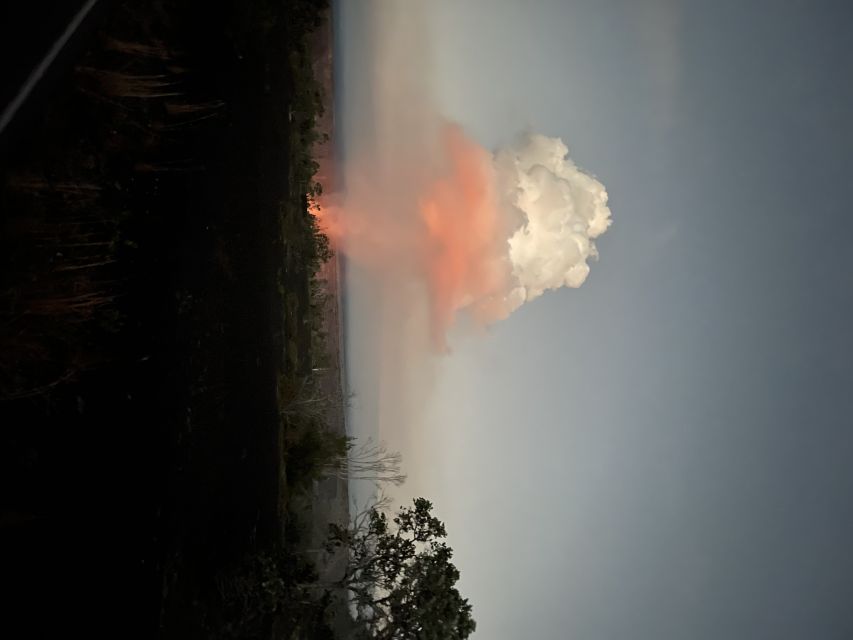
If the volcano is erupting during your visit, the walk can become something far more unusual. The guides have adjusted meeting times when activity changed, sent updates when an eruption began, and helped people reach viewing areas at a better moment. A telescope has also been used to give a closer look at magma when conditions allowed.
Still, keep your expectations sensible. You may see fresh volcanic activity, or you may spend the tour learning how to understand an inactive-looking crater and hardened lava field. The tour has value in both situations. Lava is the bonus, not the product you can demand.
More Volcano National Park Tours in the USA
- Hilo Shore Excursion: Volcanoes National Park & Black Sand Beach
★ 4.5 · 2,338 reviews - Big Island: Fat Tire E-Bike Tour through Volcanoes National Park
★ 5.0 · 546 reviews - Big Island, Hawaii: Volcanoes National Park Safari
★ 4.5 · 545 reviews - Small-Group Big Island Tour: Hawaii Volcanoes National Park and Kona Coffee Farm
★ 5.0 · 343 reviews
Guides who connect science and local culture
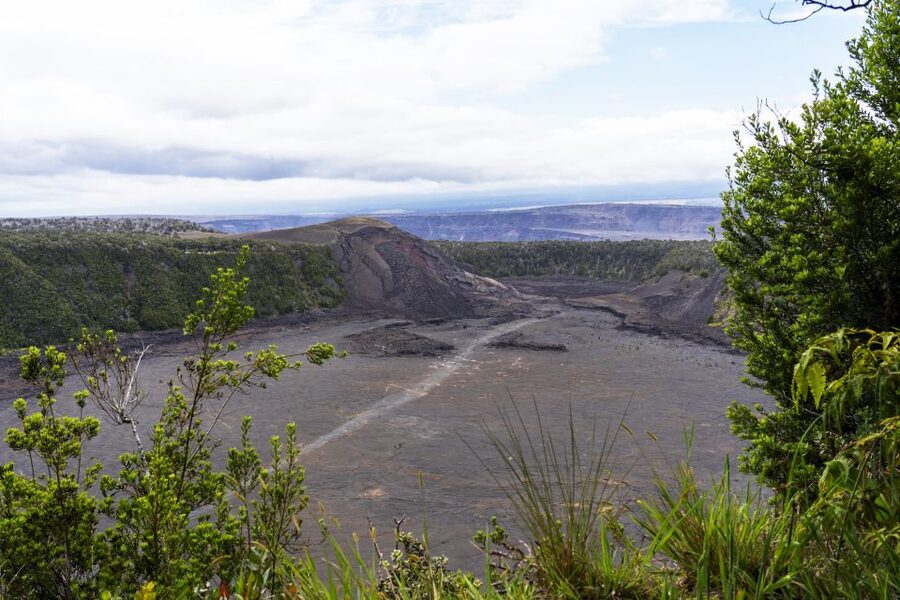
The most praised part of this experience is the guiding. Jennifer is repeatedly described as warm, well prepared, and skilled at explaining the volcano, plant life, wildlife, local legends, sulfur vents, and park history. Yvonne receives similar praise for clear explanations and a strong command of volcanoes and the surrounding ecosystem.
That range matters. A guide focused only on geology might leave you missing the cultural meaning of the place. A guide focused only on stories might not explain the science behind the crater. This walk aims to give you both.
You can also expect practical care. Walking poles, extra rain ponchos, backpacks, snacks, and photo stops have all been part of the experience. One guide took pictures for the group, while another asked about interests before the walk and adjusted the outing accordingly.
The route is described as moderate to easy, with some hills and a slightly more challenging uphill section. Fitness levels vary, so you should still be ready for four miles on uneven volcanic ground. This is not suitable for children under six or people with mobility impairments.
Timing, lava updates, and the Volcano House ending
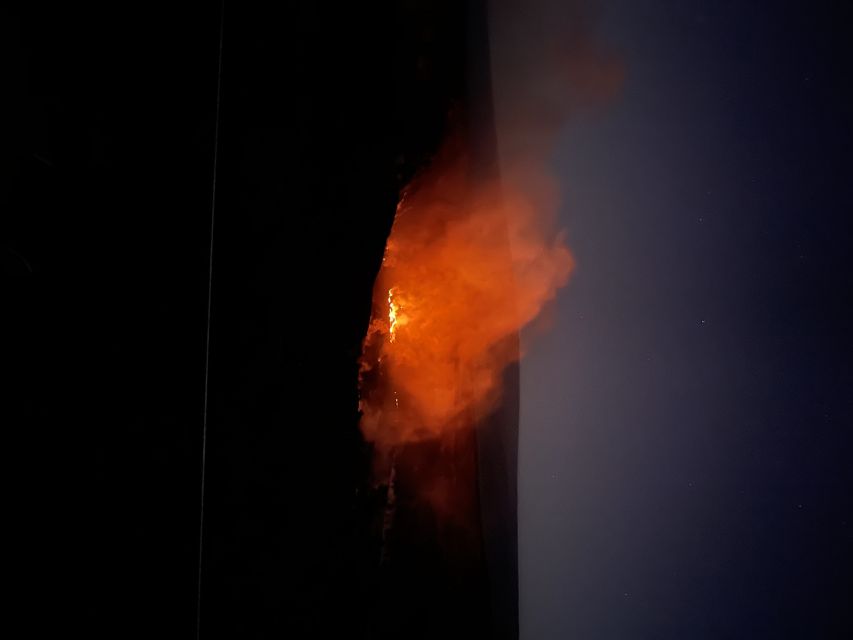
The duration is three hours, but the best start time may depend on the day. Morning and afternoon departures have been used, and an early start can improve the chance of seeing a lava lake or changing volcanic light when activity is present.
The guide may contact you with updates if Kīlauea becomes more active. That flexibility is one of the tour’s strongest features. A fixed schedule can be a poor fit for a volcano, while a guide who watches conditions can help you make better use of your time.
The hike finishes at the Volcano House restaurant and bar. This is a convenient endpoint, especially if you want to sit down for a meal after three hours outdoors. The ending also gives you a chance to continue looking toward the caldera instead of rushing straight back to a vehicle.
Food at Volcano House is not included, so plan to pay separately. The tour includes a healthy snack, but that is not a substitute for lunch or dinner if you are hungry after the walk.
What the $120 price really buys
At $120 per person, this is not a bargain if you only want a quick crater photo. The park entrance fee is extra, hotel transportation is not provided, and you will need to supply your own water and rain gear.
The value improves if you want interpretation rather than simple access. Your fee covers a certified interpretive guide, a small group, backpacks, trekking poles, and a snack. More importantly, it buys local attention and the ability to respond to changing volcanic conditions.
You are paying for someone who can explain tilt-meter readings, identify native plants, discuss invasive species, place eruptions in context, share Hawaiian legends, and point out worthwhile viewing spots. You also avoid the confusion of choosing a route through a large national park without knowing what you are looking at.
For a private or nearly private departure, the price looks stronger. One outing had only a single booking, and the route was adjusted to suit the group. You should not assume every departure will be private, but the 10-person maximum keeps the odds of a personal experience much better than a large coach tour.
What to bring for a rain-or-shine hike
Pack light, but take the weather seriously. You should bring:
- Water
- Hiking shoes or sturdy comfortable shoes
- Rain gear
- Clothing that can handle a wet forest and changing conditions
The provider supplies a backpack, trekking poles, and a healthy snack. Extra ponchos have been available, but I would not rely on borrowed rain protection as your only plan.
Because the walk takes place in a volcanic area, comfort and traction matter more than looking polished. Leave high heels and open-toed shoes at your accommodation. The activity also excludes anyone who is intoxicated, for sensible safety reasons.
Free cancellation is available up to 24 hours before the start time, and you can reserve now and pay later. Those terms help if your Big Island schedule is still shifting, but they do not change the fact that weather and eruption conditions remain outside anyone’s control.
Who should book this Kīlauea hike?
I would choose this tour if you want a deeper understanding of Volcanoes National Park and prefer walking to riding between overlooks. It suits adults, older children over six, couples, families with capable hikers, and anyone who likes asking questions along the way.
It is especially useful for a first visit. You can return to the park afterward with a better sense of what you are seeing, where to spend extra time, and how to think about volcanic activity.
I would hesitate if your only goal is guaranteed lava. Kīlauea may be active, but the tour cannot promise a view. I would also reconsider if you have difficulty walking four miles, handling hills, or staying comfortable in rain.
Should you book it?
Book this hike if you value expert explanation, a small group, and a flexible response to volcanic conditions. The standout combination is the route itself, the native forest, hardened lava lake, and the guides’ ability to connect science with Hawaiian culture and everyday park life.
Skip it if you want independent sightseeing, a short walk, or a guaranteed eruption view. For everyone else, $120 is a fair price for three hours of focused guiding, useful equipment, and a much clearer understanding of Kīlauea than you are likely to gain by wandering from overlook to overlook.
FAQ
Where does the hike meet?
The meeting point is the Kīlauea Visitor Center in Hawaiʻi Volcanoes National Park.
How long is the activity?
The guided hike lasts three hours.
How far do you walk?
The planned route is a four-mile loop.
Is lava viewing guaranteed?
No. Lava viewing depends on weather conditions and the current activity of Kīlauea.
What language is the tour conducted in?
The live tour guide speaks English.
How large is the group?
The group is limited to 10 participants, and the activity does not include a shared van ride with people you do not know.
What is included in the price?
The price includes a certified interpretive guide, a healthy snack, backpacks, and trekking poles.
Are park admission and hotel transportation included?
No. The national park entrance fee and hotel pickup and drop-off are not included.
What should I bring?
Bring water, rain gear, comfortable shoes, and hiking shoes. High heels and open-toed shoes are not allowed.
Is the hike suitable for children or people with mobility impairments?
The activity is not suitable for children under six or people with mobility impairments.
Newest park tours we have reviewed in the USA
- Mt Rushmore Yellowstone & Arches National Parks 7-day Tour★ 4.5 · 6 reviews
- Private Tour of the Rocky Mountain National Park From Denver★ 5.0 · 15 reviews
- Private Rocky Mountain National Park Tour from Denver★ 5.0 · 6 reviews
- Private Day Tour From Denver to Estes Park and Rocky Mountain National Park★ 5.0 · 6 reviews
- Rocky Mountain National Park – Private Hiking Tour★ 5.0 · 17 reviews
- Rocky Mountain National Park – Private Sightseeing Tour★ 5.0 · 98 reviews
- Private Birding Hike in Rocky Mountain National Park★ 5.0 · 58 reviews
- Private Hike Emerald Lake In Rocky Mountain National Park★ 5.0 · 5 reviews
Volcano National Park Tours, compared.

Timanfaya National Park Volcanic Craters Tour
Read our review →
Big Island: Fat Tire E-Bike Tour through Volcanoes National Park
Read our review →
Big Island, Hawaii: Volcanoes National Park Safari
Read our review →
Small Group Teide National Park Volcanic and Forest Wonders
Read our review →
Small-Group Big Island Tour: Hawaii Volcanoes National Park and Kona Coffee Farm
Read our review →
Private Tour: Hawaii Volcanoes National Park Eco Tour
Read our review →