
Reviewed · SPAIN NATIONAL PARK TOURS
From Seville: Doñana National Park Day Trip
Doñana is one of Spain’s great wild spaces, and this day trip gives you a remarkably broad look at it. In one long day, you move from marshes and rice fields to pine forest, village trails, enormous dunes and an Atlantic beach. The wildlife is the bonus: flamingos, storks, egrets, deer and wild boar are realistic hopes, while the Iberian lynx remains a lucky prize.
I like the wide range of habitats and the guides’ sharp eyes. José, Sergio, Luismi, Patricia and several others have earned praise for finding birds, explaining the plants and history, and even repositioning the vehicle so everyone gets a better view. I also like that hotel pickup, transport, a guide and binoculars are included.
The tradeoff is time. You spend much of the day in a vehicle, and some stops, especially El Rocío and the beach and dunes at Matalascañas, can feel brief. This is a smart overview of Doñana, not a slow walking tour or a guaranteed lynx safari.
Five things to know before you go
- Doñana changes character several times in one day: Expect marshes, rice fields, pine woods, dunes and the coast rather than one single type of scenery.
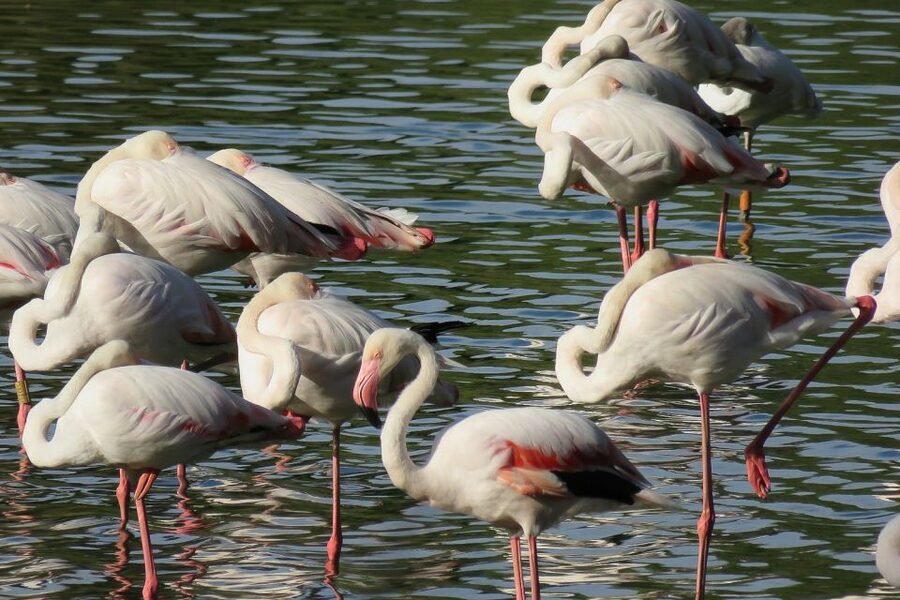
- Birdwatching is the strongest reason to book: Flamingos, storks, egrets, herons, ibises, kites and many other birds may appear.
- The Iberian lynx is never promised: You might see tracks or, with luck, the animal itself, but the tour’s value does not depend on that sighting.
- The day involves substantial driving: The route covers a huge area, so bring patience, especially if you prefer long walks.
- Spring and winter can be excellent for nature: Spring brings fresh activity, while winter often offers strong birdwatching around the wetlands.
- Bring your own binoculars if birds matter to you: Binoculars are supplied, but several people found personal optics more useful.
Why this day trip works from Seville
Seville is famous for palaces, churches, tapas and orange trees. Doñana gives you a very different side of Andalusia, one shaped by water, wind, sand and seasonal wildlife. The park is close enough for a full-day outing, yet large enough to make the city feel far away.
At $105 per person, the price is reasonable if you want transport and interpretation handled for you. You are not paying only for a ride to a national park. You are paying for a long route through several areas, hotel pickup and drop-off, a guide who can identify wildlife, and the chance to cover ground that would be awkward without a car.
The value depends on your expectations. If you want a packed schedule of famous sights, the long stretches in the van may feel slow. If you enjoy nature and would rather have an expert point out a purple swamphen, osprey or distant raptor than simply pass through the countryside, the day earns its keep.
The tour is offered as a private or small-group experience. A small group is the better value for most people, while a private outing makes more sense if you have strong birdwatching interests or want greater control over stops.
More National Park Day Trips in Spain
- Tenerife: Teide National Park Full-Day Tour with Pickup
★ 4.5 · 1,613 reviews - Arrecife/Playa Blanca: Timanfaya National Park Area Day Tour
★ 4.4 · 856 reviews - Donana National Park: Guided Day Tour from Seville
★ 4.5 · 372 reviews
From Seville to the northern marshes
Pickup begins in Seville, with the practical advantage of hotel collection and return. You should wait in your hotel lobby about 10 minutes before the scheduled time. Make sure the operator can reach you, since one passenger was caught out by not realizing that WhatsApp would be used for contact.
The first drive passes through Coria del Río, beside the Guadalquivir River. This is not a major sightseeing stop, but it helps explain the area’s connection to water and agriculture. Doñana is not just dry scrub and sand. Its marshes, streams, rice fields and temporary pools support a large range of birds.
The first main stop is the Dehesa de Abajo visitor area in the northern part of the marshes. Here you can expect a guided look at pine woods, open pasture and wetland habitat. The supplied binoculars are useful at this point, although I would still pack your own pair if birdwatching is a priority.
This area is a good introduction because you can begin learning how to read the park. A guide such as José or Sergio may spot a bird before you do, then explain where to look and what separates one species from another. That skill matters in Doñana, where much of the wildlife is distant, well camouflaged or briefly visible.
Rice fields, storks and the best birdwatching
The route continues past rice fields, including an area known for Europe’s largest colony of storks. This is one of the day’s most memorable details because it shows how farming and protected nature exist side by side. You are not simply driving through untouched wilderness. You are seeing a working region that still supports major bird populations.
Doñana is home to roughly 300 bird species across its different habitats. The exact sightings change with season, weather and luck, but past outings have produced flamingos, glossy ibis, blue heron, little egret, great white egret, storks, black kite, osprey, griffon vulture, purple swamphen, barn owl and several lark species.
One especially strong birdwatching day produced about 70 species. You should not treat that number as a promise, but it shows what is possible when conditions cooperate and your guide has a good eye. Winter can be particularly rewarding around the lakes and wetlands, while spring brings fresh activity and was described as a better time for seeing more plant and animal life.
Summer has its own appeal, but the heat and dry conditions may make the countryside seem less active. One useful way to think about timing is this: choose winter or spring for birds and greener conditions, and summer for the beach, long daylight and a possible swim.
El Rocío, a village with a strong identity
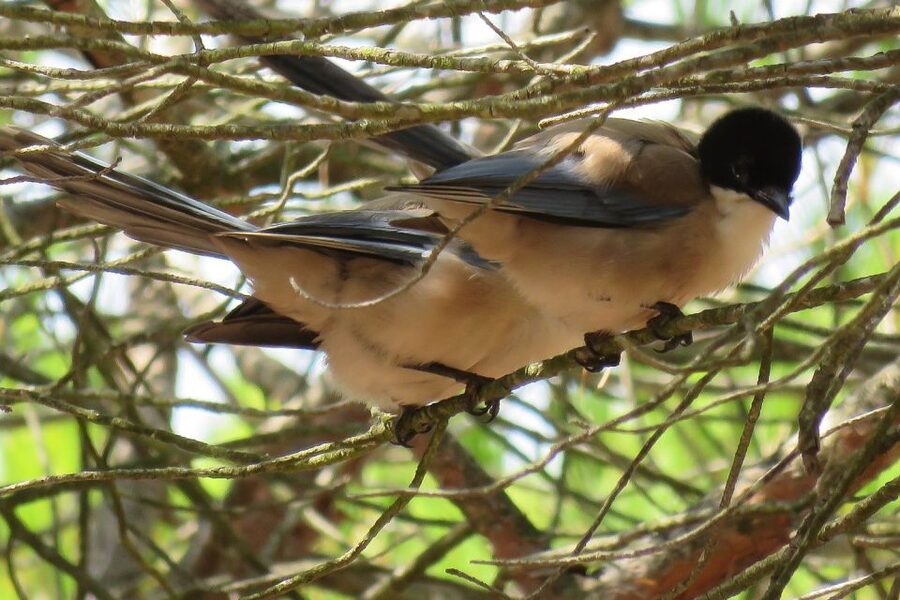
El Rocío is one of the tour’s cultural stops. The village is known for its chapel and its observatory, and it feels quite different from Seville. The visit usually includes a guided look and time to take photographs, with the wider area offering access to trails near La Rocina stream.
I would like a little more time here. The village has an interesting religious and local story, yet the schedule can make the stop feel like a quick introduction rather than a full visit. If you want to study the chapel, walk slowly or spend longer birdwatching, you may find the allotted time tight.
That said, El Rocío adds welcome variety. Without it, the day would be almost entirely about wildlife and open country. You get a glimpse of the human traditions tied to Doñana before returning to the natural areas.
The trails near La Rocina offer a chance to stretch your legs. Do not expect a long hike. This is more about a short walk through a different part of the park, with the guide explaining the stream, vegetation and wildlife. One recurring point from past outings is that the tour involves less walking than some people expect.
If you want a walking-heavy national park day, this may not be your best choice. If you want to see a large area without arranging several separate transfers, the vehicle-based format is sensible.
Same region, a different park day:
- Tenerife: Teide National Park Sunset & Stargazing Tour
★ 4.2 · 3,812 reviews - Tenerife: Sunset and Stargazing at Teide National Park
★ 4.7 · 2,826 reviews - Teide National Park Sunset & Stargazing with Dinner (Star Safari)
★ 5.0 · 2,601 reviews - Teide National Park: Sunset & Stargazing Safari with Dinner
★ 4.6 · 2,115 reviews
Matalascañas, dunes and the Atlantic
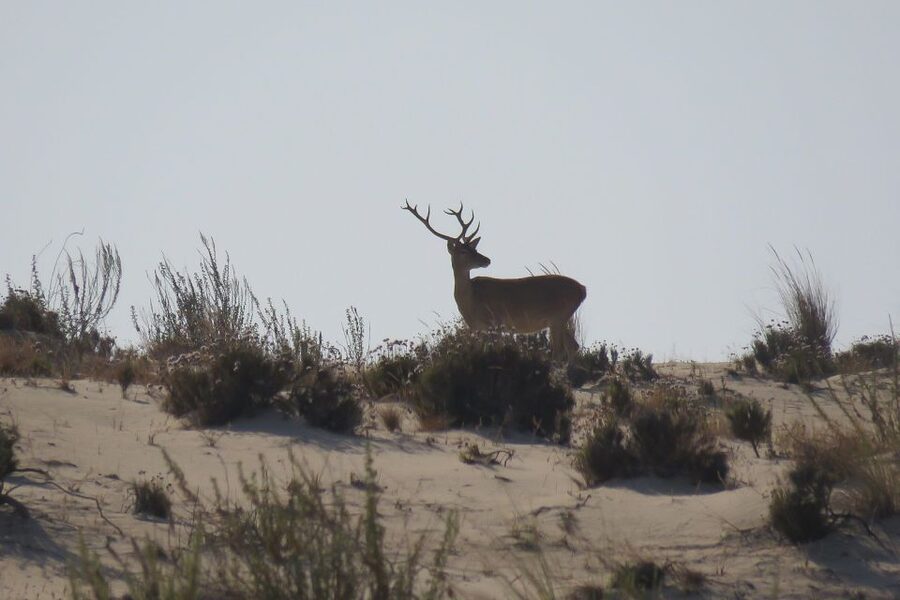
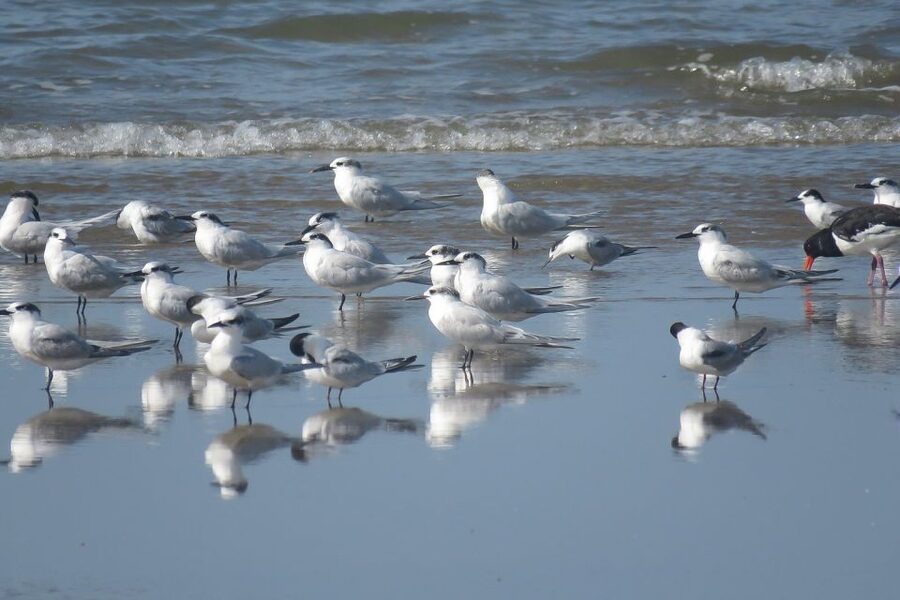
After El Rocío, the route heads toward Matalascañas and the coast. This is where Doñana changes again. Spain’s largest dune system gives you a powerful sense of the park’s scale, while the beach opens onto the Atlantic.
The dune area is a highlight for anyone who likes broad views and unusual natural scenery. Walking on sand is harder than walking on a firm trail, so comfortable shoes matter. Sunglasses, a sun hat and sunscreen are not optional extras here, particularly in warmer months.
The beach stop is also the tour’s most relaxed moment. In summer, you may have the chance to get into the Atlantic for a swim. In cooler months, the beach is still worth seeing, but you should think of it as a scenic stop rather than a beach holiday.
Time can be the main frustration. The Matalascañas portion is listed as roughly two and a half hours, but that period includes the beach, dunes, lunch and other guided activity. Depending on the day’s conditions and the group, the actual free time beside the water may feel much shorter. One past outing allowed only about 35 minutes for the beach and dunes.
Lunch and drinks are not included, so plan to buy them or bring suitable provisions. A stop by the coast makes a pleasant break after the morning’s wildlife watching, but do not expect a long restaurant meal and extensive independent exploration unless your guide’s timing allows it.
Wildlife, from common species to the lynx
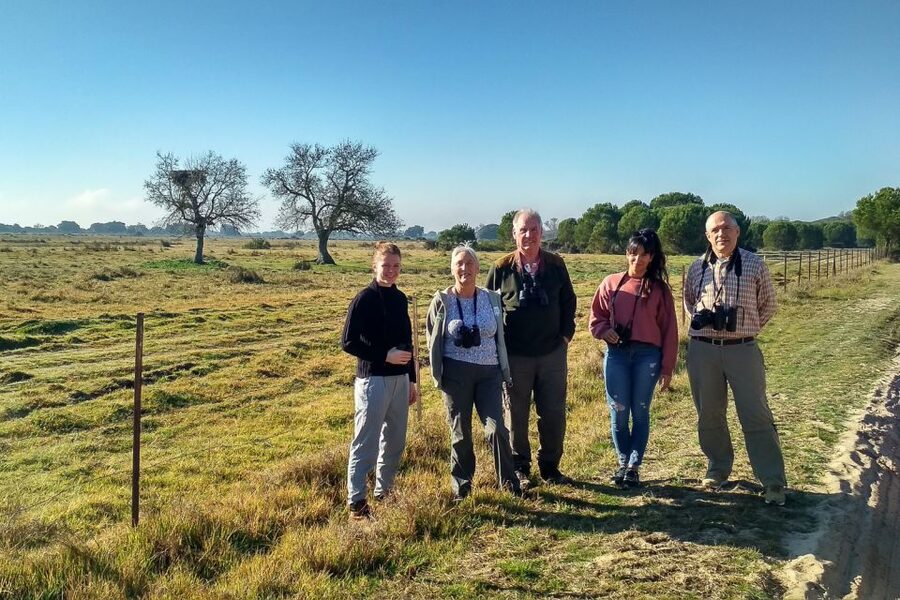
The guides are the heart of this experience. A good Doñana guide does more than name birds. They watch the roadside, know the usual habitats and understand when it is worth slowing, reversing or taking a short detour.
José received especially strong praise for spotting animals quickly and positioning the vehicle so everyone could see. Sergio was noted for his passion and for taking extra time to find wildlife. Luismi, Patricia, Diego and Luis Miguel were also singled out for clear explanations and close attention to the group.
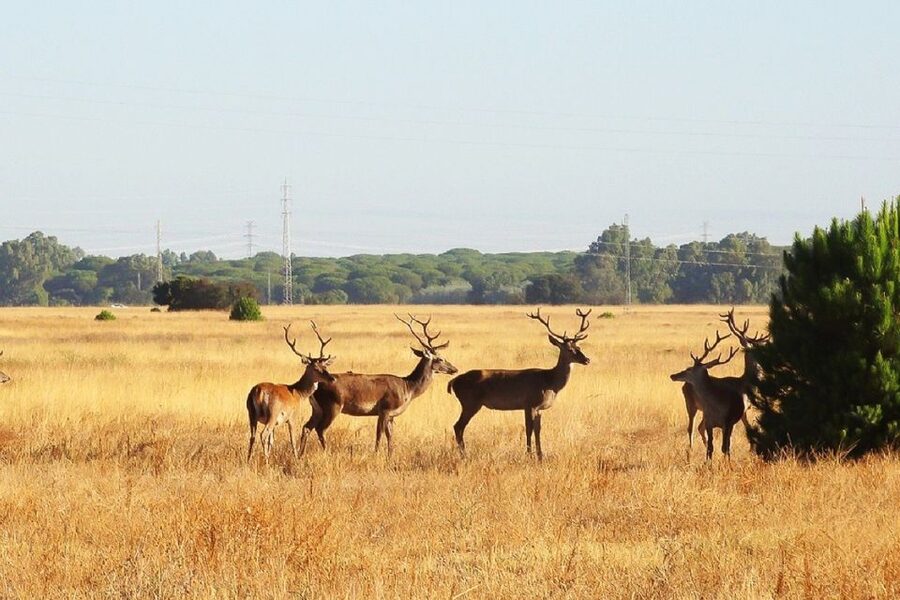
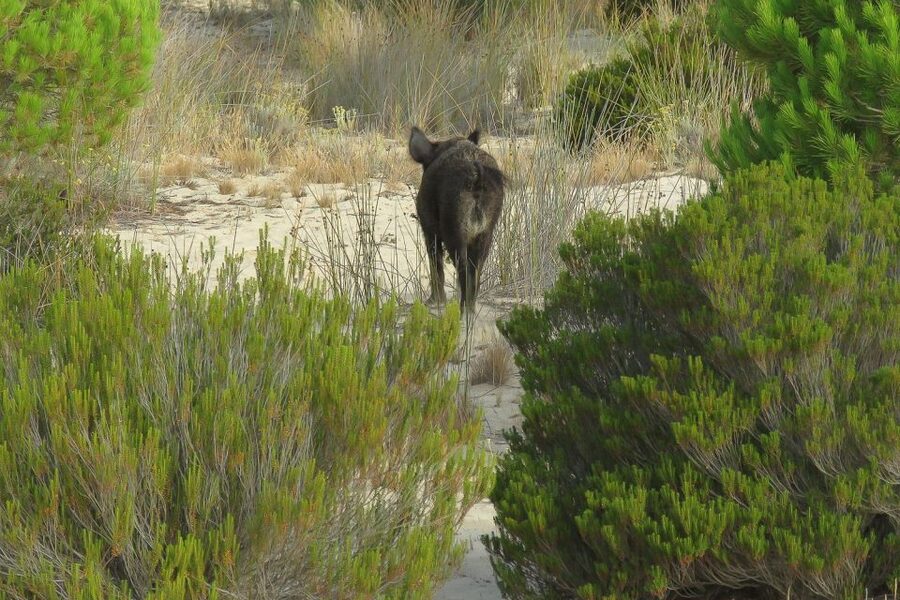
The park’s larger mammals include deer and wild boar. These are more realistic sightings than the lynx, though nothing in nature is guaranteed. You might see pawprints or receive a close approach to an area where a lynx has been active. You might also see nothing more than signs of its presence.
The Iberian lynx is an important symbol of Doñana, but the tour should not be booked as if a sighting is likely. Even one person who came close to a lynx still described the encounter as a matter of good fortune. The honest approach is to treat the lynx as an extra, not the main product.
The same applies to flamingos. You may see them in a reserve area or across a wetland, but they can be distant. A guide may help you find them when luck is poor, though you should bring realistic expectations about viewing conditions.
What the vehicle day feels like
The stated duration is 10 hours, with about 50 minutes from Seville to the park, another 30 minutes between El Rocío and Matalascañas, and about 75 minutes returning to Seville. The full route covers a lot of ground. That is the reason you see such different settings, and also the reason the day can feel road-heavy.
The vehicles have generally been described as comfortable and modern, especially in small groups. Still, seating matters. A full seven-seat minibus can feel cramped, and the back row may offer a poorer view. One outing was affected by a noisy mechanical problem, so vehicle quality can vary.
You will stop often enough for photographs, wildlife checks and refreshments. Even so, this is not a continuous walking adventure. I would choose a front or middle seat when possible, especially if you want to watch for birds through the windows.
The route can also be bumpy in parts. If you are sensitive to motion, eat lightly before departure and bring water. One past passenger found the ride rough for an hour or more, though this is not described as the normal experience.
How to prepare for a better day
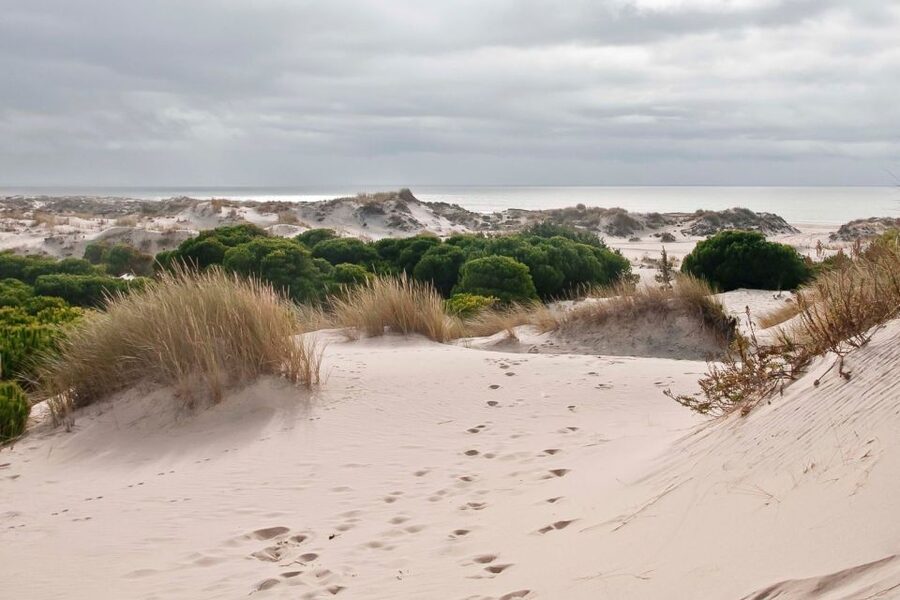
Wear comfortable shoes with enough grip for paths and sand. Add sunglasses, a hat and sunscreen, because shade may be limited at wetland viewing points, in the dunes and on the beach.
Bring your own binoculars if you have them. The tour supplies binoculars, and the guides may also have viewing equipment, but personal optics are often cleaner and more comfortable. A camera with a strong zoom can help, but do not spend the day looking only through a screen.
Pack water and snacks, even though there are opportunities for refreshments. Meals and drinks are not part of the price. If you plan to swim in summer, bring a swimsuit and a small towel.
Ask for an infant seat ahead of time if needed. Pets are not allowed. Language support is available in English, French, Italian and Spanish, but a minimum of four people speaking a requested language is required. If that threshold is not met, the operator may offer another language, date or a full refund.
Free cancellation is available up to 24 hours before departure, and you can reserve without paying immediately. Those terms help if your Seville plans are still shifting, but the more important decision is choosing the right season and tour style.
Who will get the most from this excursion?

I would recommend this day to birdwatchers, amateur photographers, families who want a break from city sightseeing, and anyone curious about Andalusia beyond the usual monuments. You do not need to identify birds already. A good guide can make the viewing more rewarding as you go.
It is also a fine choice for people without a rental car. Doñana is large, and arranging the same range of marsh, village, forest, dune and beach visits independently would take more planning.
I would hesitate if your priority is a long beach afternoon, a serious hike or a guaranteed lynx sighting. You should also think twice if long drives make you miserable. The tour offers breadth rather than a slow, quiet stay in one place.
Should you book the Doñana day trip?
Book it if you want to see the park’s major types of scenery in one day and value a guide who can turn distant birds into meaningful sightings. At $105, pickup, transport, guiding and binoculars make the cost fair, particularly for a small group.
Go in with the right expectations. You will spend plenty of time in the van, El Rocío may feel rushed, and the beach stop may not offer as much free time as you hope. But the combination of marshes, stork colonies, pine forest, dunes, Atlantic shore and real chances for wildlife makes this one of Seville’s more distinctive day trips.
For the best odds of seeing birds, choose winter or spring. For swimming and a sunnier coast, choose summer. Either way, let the lynx be a lucky surprise, not the reason you pay for the day.
FAQ
How long is the Doñana National Park day trip from Seville?
The experience lasts about 10 hours, including pickup, transport, guided stops and the return to Seville.
What places are included during the day?
The route includes Doñana National Park, the Dehesa de Abajo visitor area, El Rocío, trails near La Rocina, Matalascañas, the dune system and the Atlantic beach.
Is hotel pickup included?
Hotel pickup and drop-off are included. You should wait in your hotel reception or lobby about 10 minutes before the scheduled pickup.
Are meals and drinks included?
No. Meals and drinks are not included, so bring snacks and water or plan to purchase food during the day.
Can I see an Iberian lynx?
You might see a lynx, but sightings are not guaranteed. You may instead see tracks or other large mammals such as deer and wild boar.
Are binoculars provided?
Yes. Binoculars are included, although you may prefer to bring your own if birdwatching is especially important to you.
Can I swim in the Atlantic?
Swimming may be possible during the summer stop at the beach. Bring suitable clothing if you want to take a dip.
What languages are available?
The tour can be conducted in English, French, Italian or Spanish. A minimum of four people speaking a requested language is required, and an alternative language, date or refund may be offered if that requirement is not met.
More Day Trips in Spain
- From Manapouri: Doubtful Sound Wilderness Day Trip
★ 4.8 · 1,621 reviews - Split: Krka National Park Day Trip with Boat Ride & Swimming
★ 4.6 · 1,321 reviews - From Dresden: Saxon Switzerland National Park Full-Day Trip
★ 4.7 · 931 reviews - Split/Trogir: Krka National Park Day Trip with Wine Tasting
★ 4.7 · 925 reviews
Newest park tours we have reviewed in Spain
- Quad Tour Volcano Teide By Day in Teide National Park★ 4.0 · 80 reviews
- Timanfaya National Park: Evening Tour with Volcano Dinner★ 4.4 · 129 reviews
- Tenerife: Teide National Park and Volcano Buggy Tour★ 4.0 · 39 reviews
- Teide National Park Exclusive and private Tour★ 5.0 · 115 reviews
- Teide National Park: Landscapes and Viewpoints Private Tour★ 4.7 · 52 reviews
- Get to know the Teide National Park and the north of Tenerife on a private tour★ 5.0 · 63 reviews
- Private excursion to Teide National Park★ 5.0 · 129 reviews
- PRIVATE TOUR Teide National Park: Hiking and Stargazing★ 5.0 · 38 reviews
Spain National Park Tours, compared.
Timanfaya National Park Volcanic Craters Tour
Read our review →
Teide National Park Full-Day Tour with Pickup
Read our review →
Arrecife/Playa Blanca: Timanfaya National Park Area Day Tour
Read our review →

Jávea: Cala Tango and San Antonio Nature Reserve Kayak Tour
Read our review →Lists this park day appears in