
Reviewed · SPAIN NATIONAL PARK TOURS
El Rocío: Doñana National Park 4×4 Guided Tour
Doñana is at its best when you leave the paved roads behind. This 3.5-hour 4×4 trip reaches the park’s restricted northern area, where pine woods, cork oaks, marshes, and Guadalquivir wetlands support a remarkable range of birds and mammals. I especially like the mix of habitats and the included binoculars, which make distant wildlife easier to find.
I also like that the outing includes the José Antonio Valverde Visitors’ Center and focuses on conservation, including the fragile future of the Iberian lynx. The main caution is the vehicle: despite the 4×4 label, one recent outing used a large enclosed all-wheel-drive vehicle, which made bird watching harder than an open jeep would have.
Key points to know before you book
- Restricted northern Doñana: You enter parts of the park that are not open for casual, independent visits.
- Three very different habitats: Expect Coto del Rey pine forest, Matasgordas cork oaks, and Hinojos marshes.
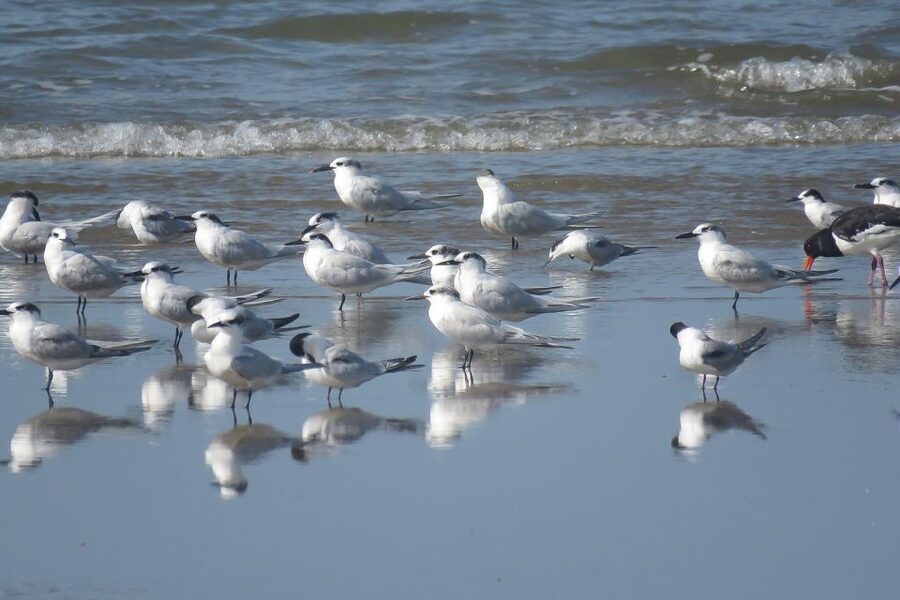
- Wildlife is possible, not promised: Herons, cormorants, gulls, avocets, deer, fallow deer, wild boars, foxes, and the Iberian lynx may appear.
- Spanish-speaking guiding: José received especially warm praise for clear, engaging explanations, while English support can be limited.
- Vehicle style can vary: The 4×4 may be a smaller vehicle or a large enclosed all-wheel-drive truck, depending on the group.
- Plan for a ride, not a hike: Although the route includes stops and the schedule labels sections as hiking, one account described only two stops and no walking.
Entering Doñana from El Rocío
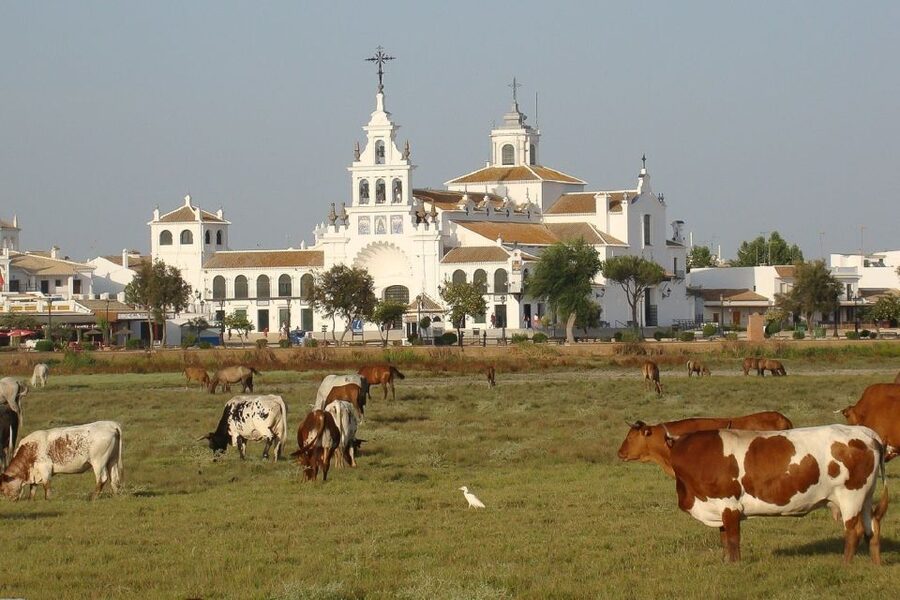
The meeting point is Doñana Reservas y Visitas at C. Baltasar Tercero, 2, in El Rocío. That makes this a handy choice if you are staying in the village, but you should contact the local operator to confirm the exact pick-up time and place. The schedule can change with the season and with animal activity.
From there, you travel into the northern part of Doñana National Park. This is the key reason to book a guided outing rather than simply drive around the area yourself: access is controlled, and the tour takes you into areas set aside for nature protection.
The price is listed at $46 per person. I consider that fair if you value access, transport, binoculars, and a guide who can explain what you are seeing. It is less compelling if you expect a private safari, guaranteed lynx sightings, or a classic open-top jeep. The tour is a shared nature outing, and the vehicle size depends on the number of people booked that day.
The stated duration is 3.5 hours, although the description also refers to an expedition of about four hours. Allow a little flexibility around the published time, especially since the starting time and route may shift.
More Jeep and 4WD Park Tours in Spain:
- Doñana National Park Off-Road Tour from Seville
★ 4.6 · 17 reviews - Arches National Park 4×4 Adventure from Moab
★ 5.0 · 2,014 reviews - East Coast National Park: Half-Day Caves Jeep Safari
★ 4.6 · 1,090 reviews
Coto del Rey and the pine forests
One of the first major habitats is Coto del Rey, known for its pine woods. This section gives you a useful introduction to Doñana’s dry woodland side before the route reaches the open marshes.
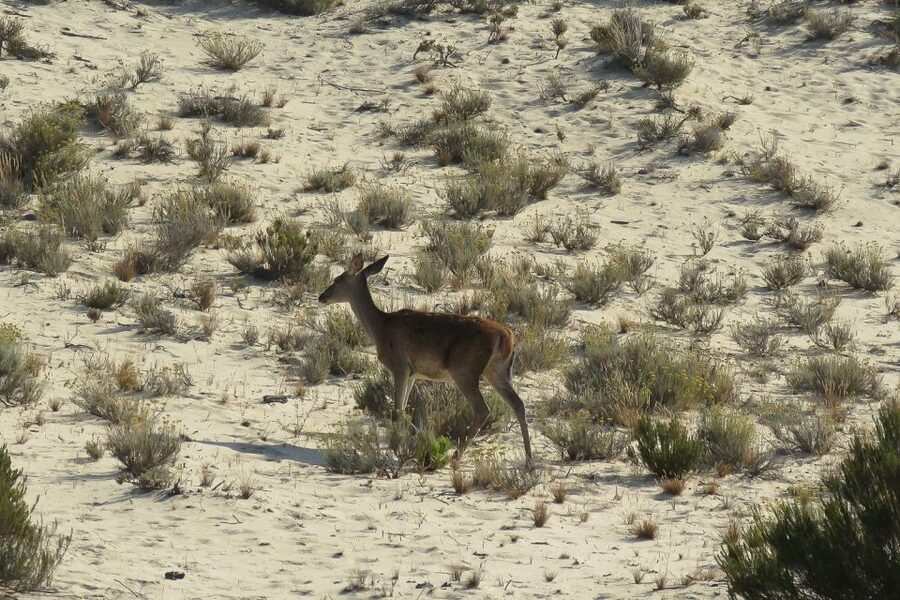
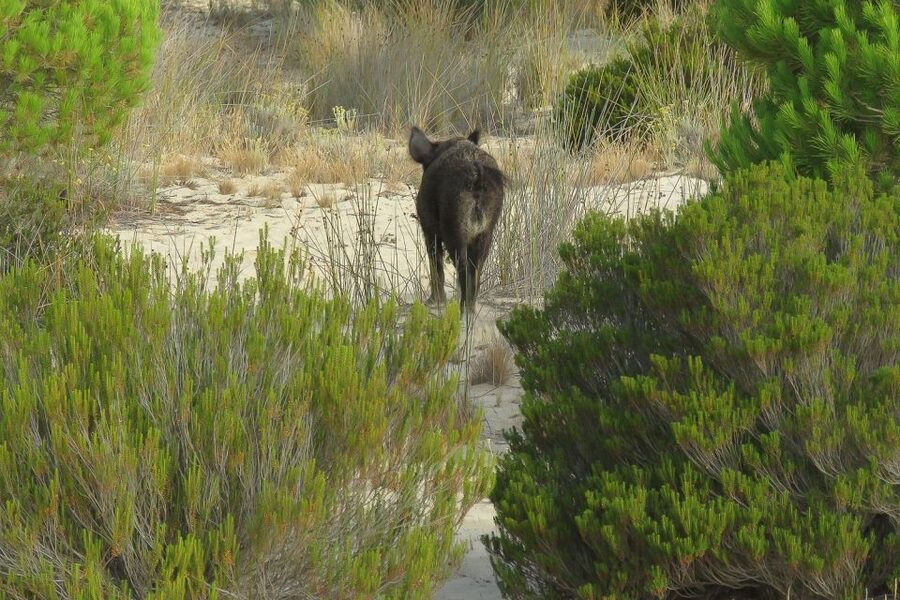
Pine forest can feel less dramatic than a wide wetland at first, but it matters for the park’s larger animals. Keep your binoculars ready for movement among the trees and along the edges of the route. Deer, fallow deer, wild boars, and foxes are among the mammals you might see.
The tour’s wildlife promise needs a little context. Doñana is a large, protected area, and animals are not placed beside the road for easy viewing. You may see plenty of birds and no major mammal, or catch a brief glimpse of something moving through the trees. That uncertainty is part of a real nature outing, but it is worth understanding before you pay for the trip.
The Iberian lynx is the most famous possibility. This cat is severely threatened, and the guide explains preservation work aimed at keeping it alive in the wild. A sighting would be extraordinary, but you should treat it as a lucky bonus rather than the expected result.
Matasgordas and the cork oak groves
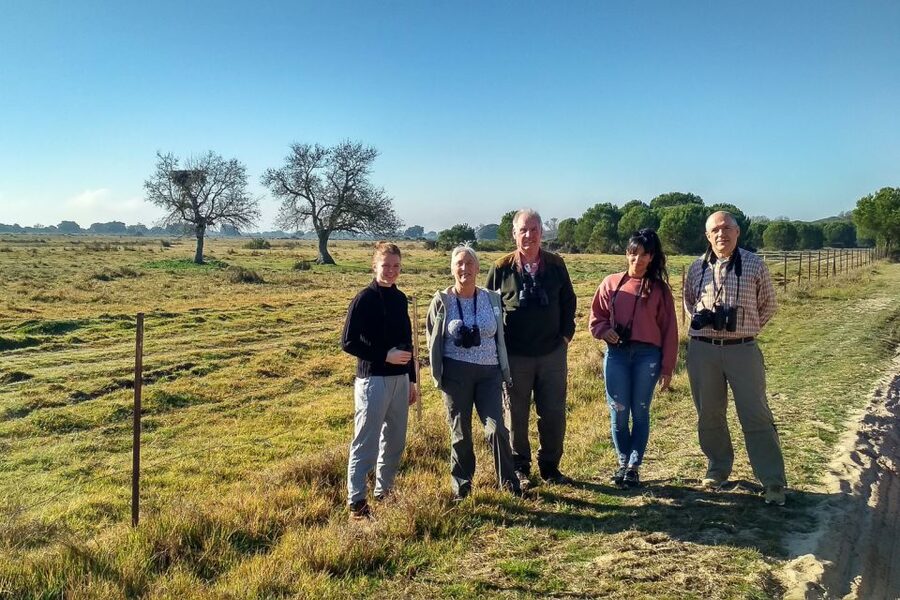
The route then reaches Matasgordas, an area of cork oak groves. These trees give Doñana another distinct character, with broader, more open woodland than the pine forests.
I like this part of the route because it helps you see that Doñana is not just marshland. The park works as a group of connected habitats, each supporting different plants and animals. A good guide will help you notice the change in vegetation and explain why animals use one area at one time of year and another area at a different time.
The quality of the explanation matters here. José was singled out for exceptional service and strong explanations. The guide is Spanish-speaking, and that is the official language of the activity. If you need another language, at least four people speaking that language are required, and even then the operator may cancel that language option and offer an alternative or refund.
An English-language account described the guide as helpful but limited in English. Another guide used a picture book to translate explanations for a group. That can work, but it is not the same as having a full tour in English. If detailed nature interpretation is central to your plans, contact the operator before booking.
Hinojos Marsh and the Guadalquivir wetlands

The Hinojos marsh is the most open and bird-focused section of the route. Here, the view expands across wetland country connected to the Guadalquivir River, and binoculars become especially useful.
The bird list includes herons, cormorants, gulls, and avocets, along with many other species. You may see birds feeding, standing in shallow water, or moving between the marsh and nearby woodland. The park’s value is easy to understand here: shallow water, mud, reeds, and open space create feeding areas for a large number of species.
This is also where the vehicle design matters most. A smaller 4×4 gives you a better chance of looking out from different sides, while a high-capacity enclosed vehicle can limit your view. One outing used an all-wheel-drive vehicle with more than 25 seats instead of the open-top jeep the passenger expected. Another account specifically noted that the closed roof made bird watching difficult.
I would ask about the vehicle before paying if bird watching is your main aim. The activity guarantees 4×4 transport, not a particular make, model, seating layout, or open roof. Vehicle size may change with the number of people on the day.
More Guided Trips in Spain:
- Tenerife: Teide National Park Guided Buggy Tour
★ 4.7 · 609 reviews - Donana National Park: Guided Day Tour from Seville
★ 4.5 · 372 reviews - Teide National Park: Guided Large Telescope Stargazing Tour
★ 4.9 · 319 reviews - Tenerife: Guided Quad Bike Tour to Teide National Park
★ 4.7 · 263 reviews
The José Antonio Valverde Visitors’ Center
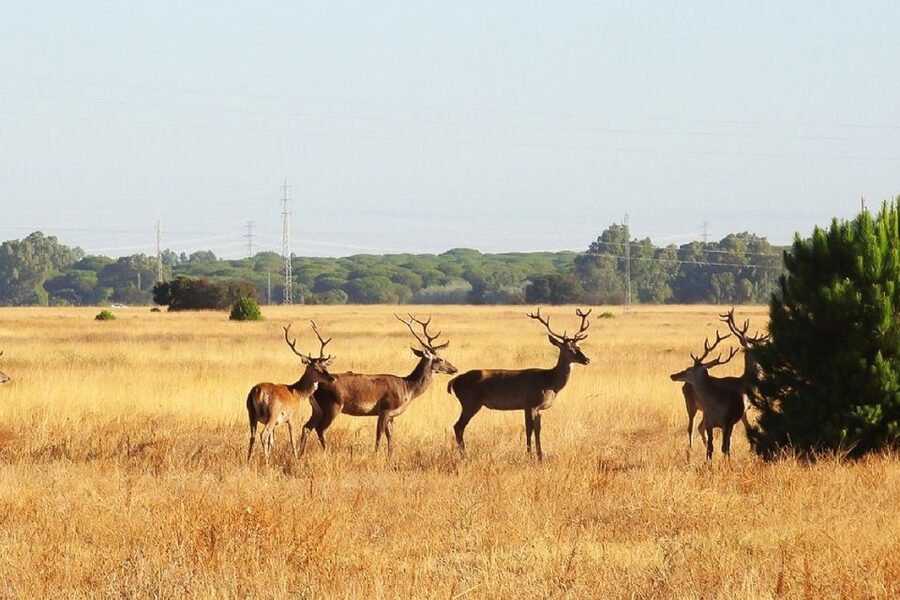
The José Antonio Valverde Visitors’ Center adds an indoor interpretive stop to the route. It gives you a chance to learn more about Doñana’s wildlife and habitats rather than simply passing through them.
The center is also useful if animal sightings are brief. A lynx may stay hidden, and a fox may cross the track before you can focus your binoculars. At the center, the guide can put those animals into a wider conservation story and explain why the park protects such a large mix of wetland and woodland.
The stated route includes hiking at the park, the Hinojos marsh, and the visitors’ center. In practice, you should not assume a long walk. One account described only two stops and no walking at all. This appears to be primarily a vehicle tour with brief stops, so it suits you better if you want access to remote areas without committing to a strenuous trek.
Wildlife watching with realistic expectations
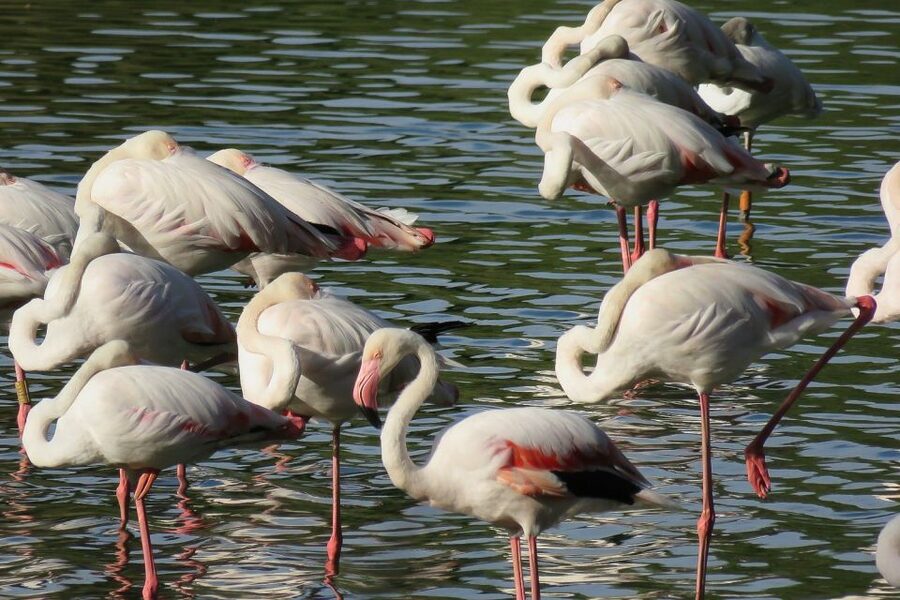
The tour gives you a good chance to see birds, but wildlife is never guaranteed. Herons, cormorants, gulls, and avocets are named possibilities, and the marsh is a strong setting for bird watching. Bring patience and use the included binoculars rather than expecting close views.
For mammals, the possibilities include red deer, fallow deer, wild boars, and foxes. The Iberian lynx is the headline animal, but it is also the least predictable. The guide discusses efforts to protect this endangered cat, which adds value even if you do not see one.
You are asked to observe animals from a distance. That is good practice in a protected park, and it means the tour is not a petting-zoo style outing. You may need to accept a small shape in the distance as a successful sighting.
Cameras are not allowed. That is an unusual rule for a wildlife outing, so do not book this trip expecting to photograph birds or mammals. You can focus on watching and listening instead, but anyone choosing the tour mainly for pictures should look carefully at this restriction.
What the Spanish guide adds
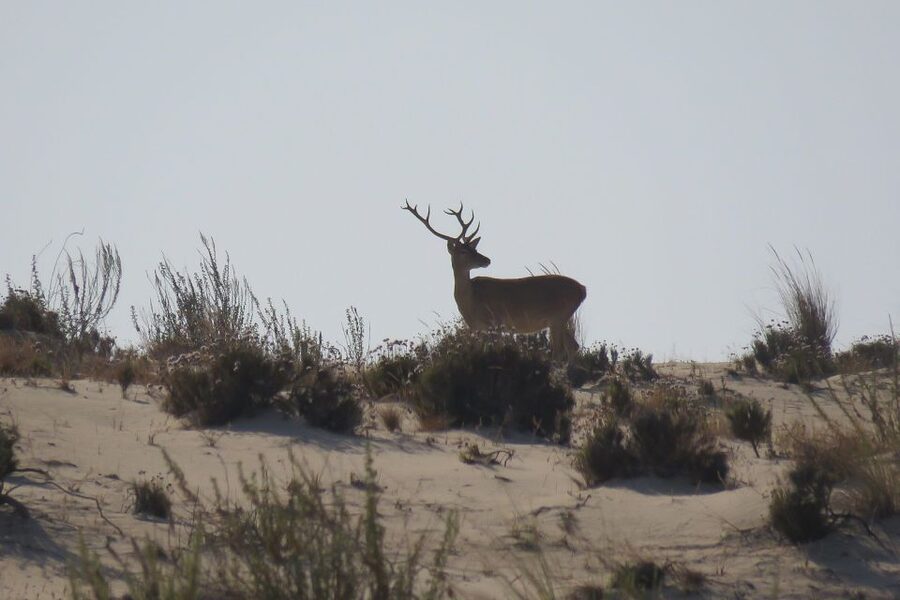
A guide can make a major difference in Doñana because the scenery can look subtle. The pine trees, cork oaks, and marshes may seem simple at a glance, but the guide helps connect each habitat with the animals that use it.
José was praised for his professional manner and detailed explanations. That makes him a particularly useful name to note when you contact the operator, although the assigned guide may vary. The published language is Spanish, so you should be comfortable following Spanish explanations or arrange language support in advance.
If you are traveling with children, the guide can help keep the outing focused, but children must stay with an adult at all times. Baby seats are available if requested ahead of time. Pregnant women should not book this activity, and the uneven off-road ride is not suitable for that audience according to the activity restrictions.
Comfort, group size, and the 4×4 question
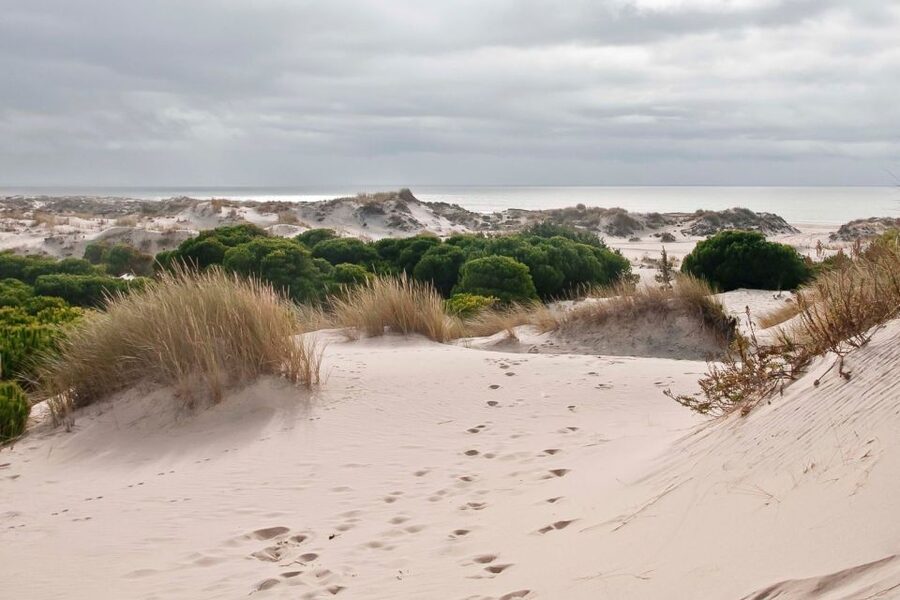
The phrase 4×4 can create a clear picture in your mind: a small safari vehicle, open sides, and easy views in every direction. That may not be what you receive.
The operator uses 4×4 vehicles, but the vehicle’s capacity changes with the group. Some departures may use a smaller vehicle, while others may use a large enclosed vehicle. One passenger expected a Toyota Land Cruiser style jeep and instead received a large all-wheel-drive truck with more than 25 seats.
That difference affects the feel of the trip. A large vehicle can be practical for bigger groups, but it may make it harder to spot birds, hear the guide, or look out from both sides. If you want a close, safari-like ride, ask for the expected vehicle type and group size before booking.
The tour is also not designed as a meal-inclusive outing. No food is included, so plan around the 3.5-hour schedule. The meeting point is in El Rocío, and the route returns there at the end.
How the price compares with the experience
At $46 per person, the trip is reasonably priced for a guided visit into a restricted area of a national park. You are paying for transport, a live guide, binoculars, and access that is not presented as a standard self-guided drive.
The value depends on your priorities. I think the price works well for someone who wants an introduction to Doñana’s habitats and does not have a car suitable for remote access. It also makes sense if you appreciate having someone identify birds and explain lynx protection.
I would be more cautious if you are choosing it for one specific result. The price does not guarantee a lynx, an open jeep, a small group, an English guide, or extensive walking. The experience can be excellent when the wildlife is active and the vehicle suits the group, but it is not a tightly controlled private safari.
Free cancellation up to 24 hours before departure and reserve-now, pay-later booking give you some useful flexibility. Still, confirm the meeting details directly. Two serious booking problems involved no vehicle appearing at the agreed point or the operator being unable to find the booking. Those cases appear to be exceptions, but they are exactly why you should verify the time and location before the morning of the tour.
Who should book this Doñana outing?
I would choose this trip if you are staying in El Rocío, want to reach protected northern Doñana, and enjoy learning about habitats as much as checking animals off a list. It suits bird watchers, nature-minded families with adult supervision, and first-time visitors who want a guided overview without spending a full day in the park.
It is also a sound choice if the chance of seeing a lynx interests you, provided you understand that the animal may remain hidden. The conservation explanation at the visitors’ center gives the lynx theme substance beyond a simple sighting.
I would hesitate if you need English guiding, an open-top jeep, or a guaranteed walking component. I would also think twice if photography is your main reason for going, since cameras are not allowed.
Should you book it?
Book this Doñana 4×4 tour if access and habitat variety matter more to you than vehicle style. The pine woods, cork oak groves, Hinojos marshes, and Valverde Center create a well-rounded introduction to the park, and José’s strong guiding makes the Spanish-language format especially appealing when he is leading your group.
Before you commit, confirm three things: the guide’s language, the vehicle type, and the meeting point. If those match your needs, $46 is a fair price for a short, focused look at one of Andalusia’s most important protected areas. If you want a small open jeep and close wildlife photography, choose only after the operator confirms that arrangement.
FAQ
Where does the Doñana 4×4 tour meet?
The meeting point is Doñana Reservas y Visitas at C. Baltasar Tercero, 2, 21750 El Rocío, Huelva.
How long does the tour last?
The listed duration is 3.5 hours. The detailed description refers to an expedition of about four hours, so allow some flexibility and confirm the current timing with the local operator.
What language is the tour conducted in?
The tour language is Spanish. Support for another language requires a minimum of four people speaking that language, and the language arrangement may change or be canceled if that requirement is not met.
Is a meal included?
No. Food is not included in the activity.
Are binoculars provided?
Yes. Binoculars are included with the 4×4 tour.
Can I bring a camera?
No. Cameras are listed among the items not allowed on this activity.
Newest park tours we have reviewed in Spain
- Full Day Hiking in Picos de Europa National Park★ 5.0 · 5 reviews
- Timanfaya National Park Morning Tour★ 5.0 · 2 reviews
- From Deltebre: Ebro Delta National Park Multi-Stop Day Trip★ 4.8 · 13 reviews
- Tenerife: Teide National Park & Teno Rural Park Private Tour★ 5.0 · 35 reviews
- Tenerife: Stargazing Walk in Teide National Park★ 4.8 · 28 reviews
- Tenerife: Quad Day Trip Teide National Park★ 4.9 · 14 reviews
- Tenerife: Private VIP Tour Teide National Park★ 4.7 · 15 reviews
- Tenerife: Scuba Diving Lesson and Abades Protected Area Dive★ 5.0 · 17 reviews
Spain National Park Tours, compared.
Timanfaya National Park Volcanic Craters Tour
Read our review →
Teide National Park Full-Day Tour with Pickup
Read our review →
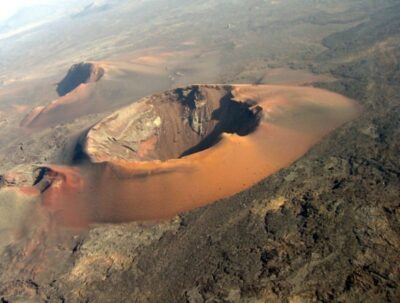
Arrecife/Playa Blanca: Timanfaya National Park Area Day Tour
Read our review →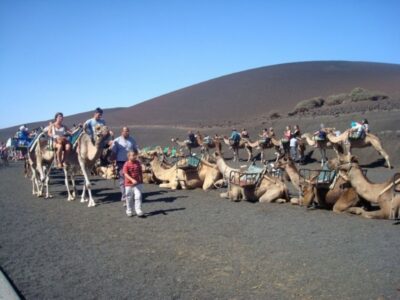

Jávea: Cala Tango and San Antonio Nature Reserve Kayak Tour
Read our review →Lists this park day appears in