
Reviewed · CAN THO NATIONAL PARK TOURS
Can Tho: Floating Market & Lung Ngoc Hoang Nature Reserve
Cai Rang is best seen early, when boats trade breakfast, fruit, and household goods on the river. This tour gets you there at sunrise, then moves beyond the market to quieter canals, village workshops, a Khmer pagoda, and Lung Ngoc Hoang Nature Reserve.
I like the small-group format, capped at 10 people, and the chance to use a smaller traditional boat that can enter narrow canals. I also like the range: you get river life, food, craft, religion, and wetlands in one day.
The drawback is the early start and a fair amount of walking, boat boarding, and road travel. If you want a slow market visit only, this eight-hour outing may feel packed.
Key points at a glance
- Sunrise at Cai Rang: See Can Tho’s largest floating market before the heat and crowds build.
- Breakfast on the river: Enjoy a vegetarian-friendly morning meal while boats trade around you.
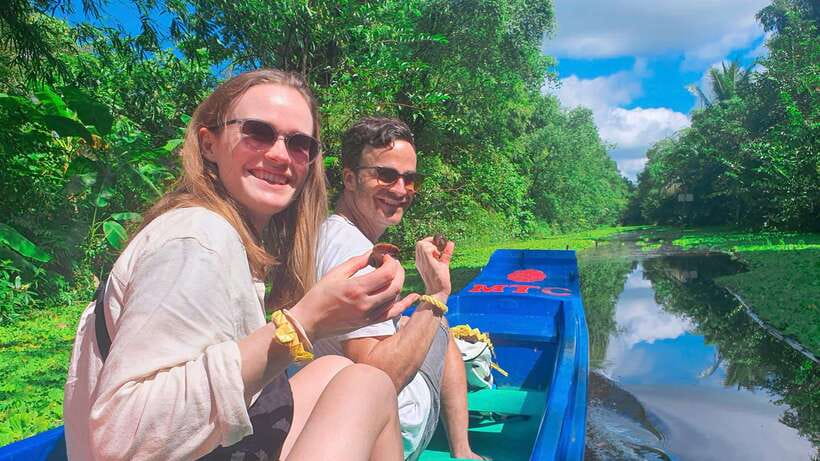
- Small canals by sampan: A smaller traditional boat can reach quieter waterways, including sections affected by low tide.
- Hands-on village crafts: Watch noodles being made and try weaving a bamboo basket.
- Khmer culture: Visit a pagoda and hear about Buddhism from a local expert.
- Wetland finale: Finish at Lung Ngoc Hoang Nature Reserve, with time for a longer boat ride and bird spotting.
Why this Can Tho day makes sense
Many Mekong Delta outings stop at Cai Rang and turn back. This one uses the market as the opening chapter, not the whole story. You start with commerce and river traffic, then move into quieter waterways and rural communities before ending among the trees and wetlands of Lung Ngoc Hoang.
That variety gives you a better sense of southern Vietnam. The river is not just a scenic backdrop. It is a workplace, a transport route, a breakfast table, and part of daily life. Later, the tour shows how local families make noodles and baskets, then shifts to Khmer religious culture and protected nature.
The $72 price is reasonable if you value convenience and variety. Hotel pick-up and drop-off, transport, an English-speaking guide, the sampan ride, breakfast, craft visits, the pagoda, and nature reserve admission are included. You are paying for a full day with several moving parts rather than a short boat ride.
Still, this is not the cheapest way to see one attraction. Personal expenses are extra, and the tour covers a lot of ground. I would choose it when I have one full day in Can Tho and want someone else to handle the timing, transfers, and route.
More Market Visits in Vietnam:
- Nature Reserve and Largest, Authentic Floating Market Experiences
★ 5.0 · 115 reviews
Starting before sunrise at Ben Pha Xom Chai
The meeting point is at Ben Pha Xom Chai, listed at 1 Đ. Hai Bà Trưng. Hotel pick-up and drop-off are included, which is useful for an early start when arranging local transport can be inconvenient.
The early hour matters. Cai Rang is most active in the morning, and starting before sunrise helps you see the market at its working best. You also avoid some of the stronger midday heat. Bring water, sunscreen, and a hat, even if the morning begins cool.
Your guide takes you to the boat station and helps set up the first river ride. The operation uses small groups of no more than 10 people, a welcome limit on a boat and during village visits. Smaller groups also make it easier to ask questions and hear explanations.
The guides named for this experience include Sophia, Theo, and Sonny. Sophia is noted for answering questions about both the sights and everyday life in Vietnam. Theo brings humor and flexibility, while Sonny has helped with practical matters such as meeting a taxi at the correct drop-off point. Guide quality matters here because the tour moves through several places that benefit from explanation.
Cai Rang at sunrise, with breakfast afloat
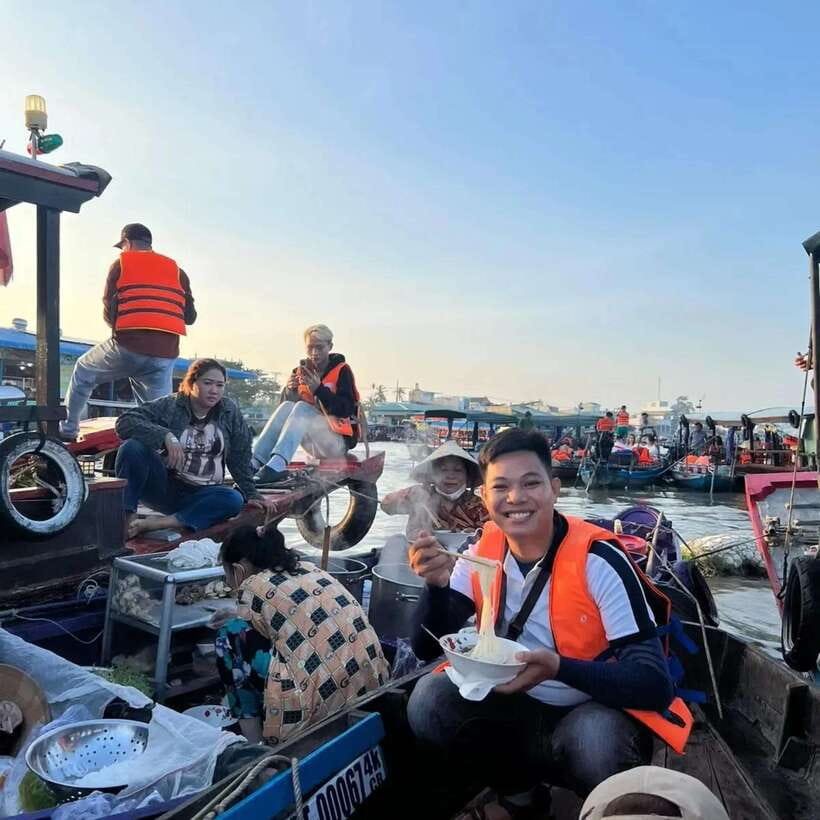
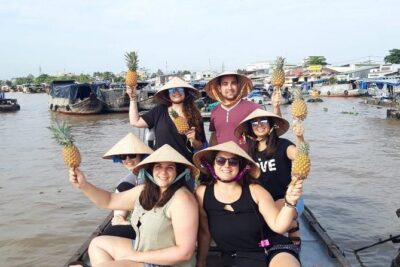
Cai Rang is the largest and best-known floating market in Can Tho. The market is not a staged display built only for sightseeing. Boats gather to trade, and the river becomes a busy food and shopping area.
From the sampan, you can watch the market wake up as the sky brightens over the Can Tho tributary. The boat lets you see the action from water level, where sellers and buyers are close by rather than separated by a viewing platform.
Breakfast is served on the river and includes vegetarian options if requested ahead of time. That small detail makes the morning easier for people with dietary needs, but do not leave the request until the last minute. Tell the operator before the tour.
One especially useful part of the visit is the chance to see the inside of a market boat. That gives you more than a quick photograph of boats passing by. You get a glimpse of how people live and trade on the river, which is the part of Cai Rang I find most valuable.
Expect some engine noise and movement. A floating market is a working place, not a quiet nature cruise. The river may also feel busy, and conditions change with the tide. Bring a camera, but keep it secure when the boat is moving.
A noodle house with a family tradition
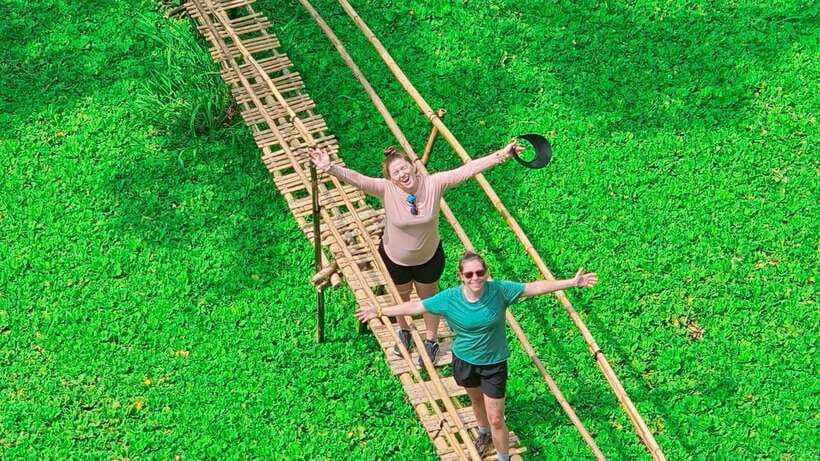
After Cai Rang, the route continues to a traditional noodle house in a nearby village. You watch a local family make colorful noodles by hand and learn about the steps behind a familiar food.
This stop adds a useful layer to the breakfast. Instead of only eating a local dish, you see some of the work that goes into it. The setting is also more personal than a large food factory. You are visiting a family-run place and observing a local skill passed down through practice.
The visit is mainly about watching and learning, though the experience information also describes a chance to see the noodles being crafted. If you enjoy food culture, this is one of the stronger stops because it connects an everyday meal with the people who produce it.
The floor and working areas may not be arranged for long periods of standing, so wear comfortable clothes and shoes. This tour includes a moderate amount of walking, and the day is easier when you are prepared for simple village paths rather than polished city walkways.
More Shopping Trips in Vietnam:
Quiet canals around Phong Dien
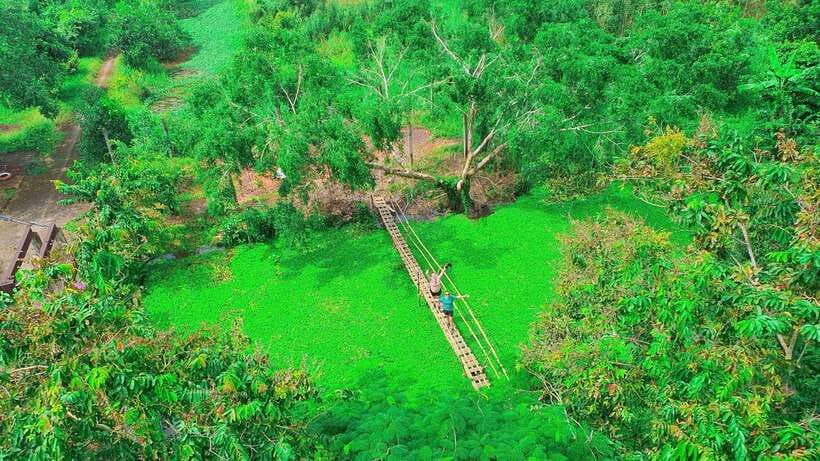
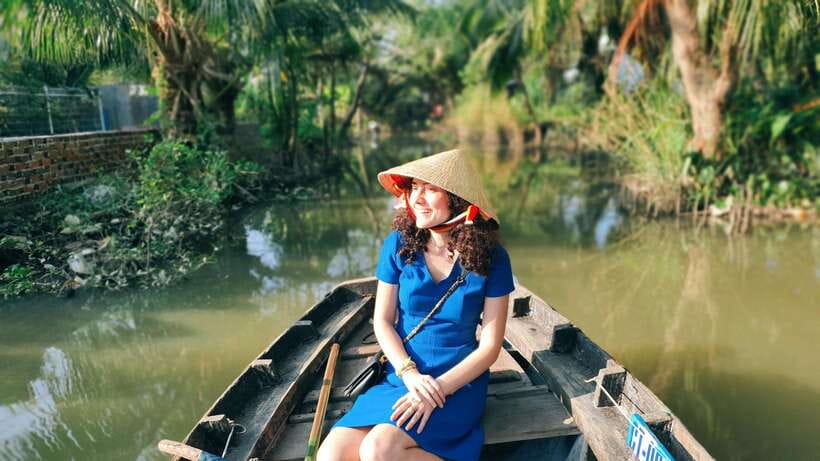
The boat ride through the less-used canals of Phong Dien changes the pace. After the market’s trading activity, you move into narrower waterways with fewer boats and a calmer feel.
This is where the smaller traditional sampan matters. A smaller boat can reach canals that larger craft may not, and one guide has described being able to continue through narrow sections even when the tide was low. That does not guarantee identical water conditions every day, but it explains why the boat choice is important.
I like this part for the contrast. You see the Mekong Delta not just as a market destination but as a network of small channels linked to village life. The ride gives you time to watch the banks, listen to the water, and let the morning slow down.
The trade-off is comfort. A traditional sampan is more authentic than a large tourist boat, but it may offer less space and fewer conveniences. If you have difficulty boarding or sitting in a smaller boat, consider the mobility warning carefully. The tour is not suitable for wheelchair users or people with mobility impairments.
Bamboo basket weaving beside the river
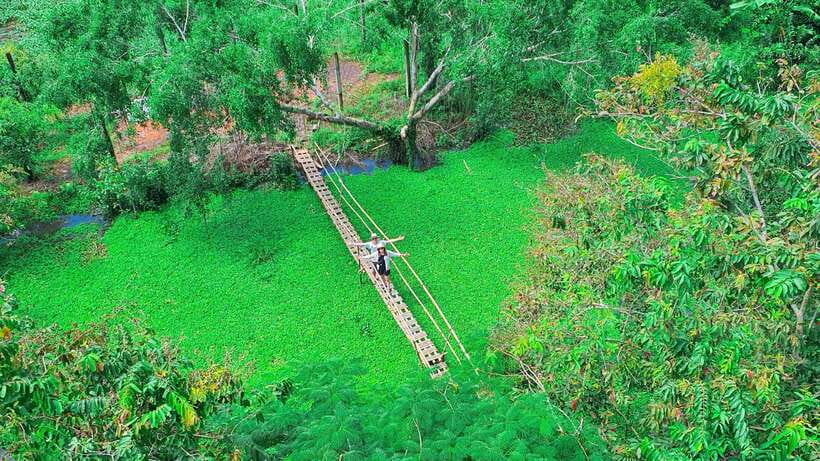
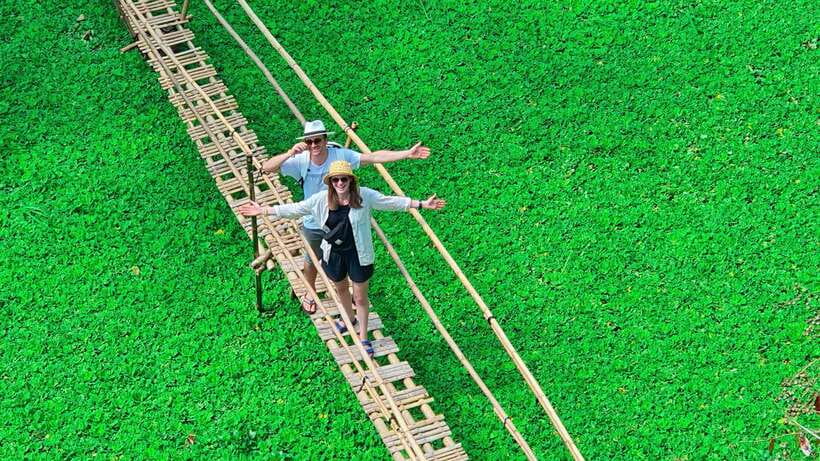
The next village is known for bamboo basket weaving. You meet local artisans, watch the work up close, and have the chance to try weaving a basket yourself.
This is the sort of stop that works best when you take part rather than simply shop. Bamboo basket making depends on repeated hand movements and careful shaping, so a short attempt helps you understand the skill involved. Your basket may not look perfect, which is part of the fun.
The village also gives you a view of work outside the main tourist route. Craft visits can sometimes feel like sales stops, so keep your expectations practical. Here, the useful element is the demonstration and hands-on activity. Personal purchases are not included in the tour price, so budget separately if you want to buy something.
Wear clothes you do not mind getting dusty or slightly dirty. You will be moving between the boat, village, and other stops, so this is not a day for formal footwear.
A Khmer pagoda and a quieter cultural pause
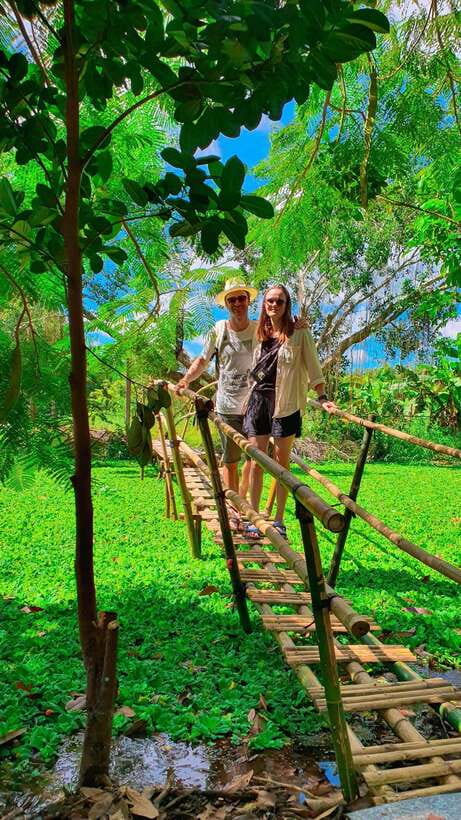
The pagoda offers a change from outdoor activity. Its detailed designs and calm setting introduce Khmer Buddhist culture in the Mekong Delta.
A local expert explains aspects of Buddhism and the pagoda’s meaning. This is helpful because religious buildings can be easy to admire without understanding what you are seeing. Take a little time to look closely at the decoration and observe the respectful atmosphere rather than treating the stop as a quick photo break.
The pagoda is also a good place to pause. By this point, you have already spent hours on boats, walking through villages, and following the morning schedule. The quiet setting gives you a chance to slow down before the final nature visit.
Dress comfortably and respectfully. The provided information does not specify a strict dress code, but modest clothing is a sensible choice when visiting a religious site. Follow your guide’s instructions about where to walk and when photography is appropriate.
Lung Ngoc Hoang’s waterways and birdlife
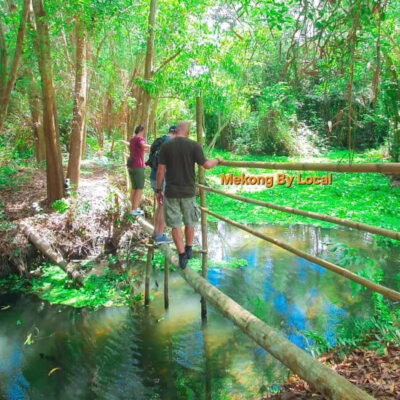
The final major stop is Lung Ngoc Hoang Nature Reserve, an extensive wetland area with thick greenery and natural sounds. It is presented as a less-visited part of the delta, which makes it a fitting finish after the market and villages.
Do not expect a formal wildlife park with guaranteed sightings. The appeal is the quiet setting and the chance to travel through natural waterways. A longer boat ride can be arranged within the visit, and the guide may help you look for birds.
Rain does not necessarily spoil this stop. One outing continued through wet weather and still found the reserve beautiful. Pack for changing conditions, and protect your camera and phone. A light rain can make the canals feel even more secluded, but it can also make paths slippery.
The reserve is especially worthwhile if you want more than shopping and food. It gives the day breathing room and shows a different side of the delta, one shaped by water, plants, and wildlife rather than trade.
Transport, timing, and physical effort
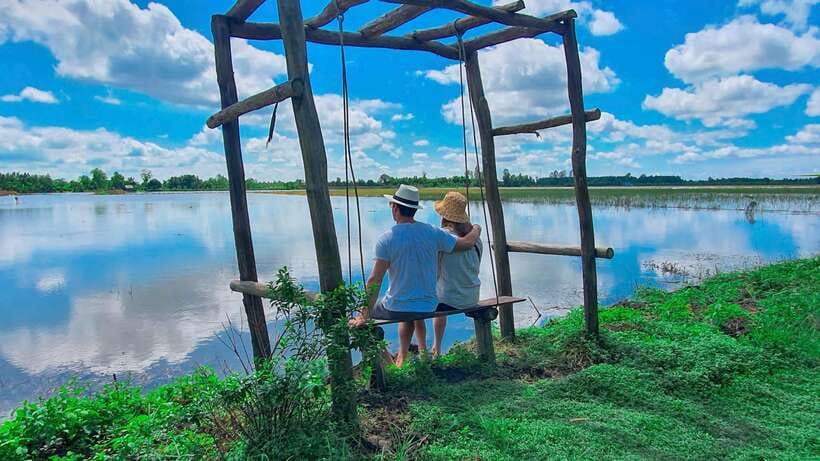
The full activity lasts eight hours, with about six hours listed for the Mekong River portion, including visits, walking, sightseeing, and guided time. The exact starting time depends on availability, but the tour begins early to catch sunrise and avoid the heaviest crowds.
Transport by car connects the boat areas, villages, pagoda, and reserve. A newer, comfortable transfer vehicle has been used, and safety during the road portions has been a strong point. The return is to the original meeting point at 1 Đ. Hai Bà Trưng.
You should plan for:
- Early-morning pick-up
- Several boat rides
- Moderate walking
- Boarding and leaving small boats
- Outdoor heat and sun
- Possible rain
- Time spent standing at workshops and cultural sites
The experience is not suitable for wheelchair users, people with mobility impairments, or people over 95 years old. If you are unsure about boarding a sampan or walking through village areas, ask for assistance before booking.
Who will get the most from this tour?
I would recommend this tour to anyone who has one full day in Can Tho and wants a broad introduction to the delta. It works particularly well for first-time visitors, couples, families with older children, and people who prefer a guide to manage transport and timing.
It also suits curious eaters, photographers, and anyone interested in ordinary working life. The noodle house, basket workshop, and market boat visit offer more local contact than a sightseeing cruise alone.
You may prefer a shorter activity if your main goal is only Cai Rang. The day includes several transfers and a wide mix of stops, so it is not designed for staying in one place. It also may not suit people who dislike early mornings, small boats, walking, or flexible outdoor conditions.
English is the listed tour language. The small group size should help if you want to ask about history, religion, food, or daily life. Sophia, Theo, and Sonny are among the guides associated with the experience, and each brings a slightly different style.
Practical value at $72
At $72 per person, the tour offers solid value when you count the included transport, breakfast, guide, boat rides, admissions, and full-day structure. The price is easiest to justify if you would otherwise need to arrange a driver, negotiate boat transport, and find the nature reserve independently.
The strongest value is the combination of places. Cai Rang alone may be enough for some visitors, but this tour adds Phong Dien canals, a noodle house, basket weaving, a pagoda, and Lung Ngoc Hoang without making you plan each connection.
Personal spending is not included. Bring cash for drinks, snacks, or crafts if you want them, though the exact payment arrangements for individual stops are not specified. The tour allows free cancellation up to 24 hours before departure and offers reserve-now, pay-later booking, which helps if your Can Tho plans are still changing.
Should you book it?
Book this tour if you want a full, varied day that moves from river commerce to village craft, Buddhist culture, and wetland nature. The smaller sampan, early market visit, and chance to see life aboard a market boat are the strongest reasons to choose it.
Skip it if you want a short, slow morning or have trouble with boat boarding and moderate walking. For everyone else, $72 is a fair price for an organized introduction to several sides of the Mekong Delta, especially when you have limited time in Can Tho.
FAQ
Where does the tour start and finish?
The meeting point is at Ben Pha Xom Chai, at 1 Đ. Hai Bà Trưng. The activity ends back at the same meeting point, and hotel pick-up and drop-off are included.
How long does the experience last?
The tour lasts eight hours. The listed Mekong River portion includes about six hours of visits, guided touring, sightseeing, breaks, and walking.
What language is the tour offered in?
The live tour guide speaks English.
Is breakfast included?
Yes. Breakfast is served during the floating-market visit, and vegetarian options are available if you notify the operator in advance.
Is the tour suitable for wheelchair users?
No. The tour is not suitable for wheelchair users or people with mobility impairments. Moderate walking and boarding small boats are involved.
What should I bring?
Bring a hat, sunscreen, water, a camera, and comfortable clothes and shoes. Protection for rain is also sensible because much of the day takes place outdoors.
Can I cancel the booking?
You can cancel up to 24 hours in advance for a full refund. The activity also offers a reserve-now, pay-later option.
Newest park tours we have reviewed in Vietnam
- Private car transfer Dong Hoi to Phong Nha National Park and versa★ 5.0 · 9 reviews
- Bach Ma National Park trekking daily tour from Da Nang, Hoi An★ 5.0 · 33 reviews
- Mang Den and Kon Chu Rang Nature Reserve from Da Nang and Hoi An★ 5.0 · 26 reviews
- Daily Bus Hanoi to Pu Luong Nature Reserve & Pu Luong to Hanoi★ 3.5 · 3 reviews
- Wonders of Nui Chua National Park – Day Trek in Vinh Hy Bay★ 5.0 · 2 reviews
- Pu Luong Nature Reserve 1-Day Tour | Pickup from Pu Luong | Top 1★ 5.0 · 39 reviews
- Cat Ba National Park Full Day Trekking Tour to Viet Hai Village★ 5.0 · 111 reviews
- Half Day Trekking in Cat Ba National Park and Hospital Cave★ 5.0 · 8 reviews
Can Tho National Park Tours, compared.
Nature Reserve and Largest, Authentic Floating Market Experiences
Read our review →
Can Tho: Lung Ngoc Hoang Nature Reserve & Forest Tour
Read our review →
Can Tho: Lung Ngoc Hoang Forest Nature Reserve Tour
Read our review →
Can Tho: Lung Ngoc Hoang Nature Reserve & Hidden Forests
Read our review →
Tour for Nature lover- Lung Ngoc Hoang Nature Reserve in Can Tho
Read our review →
Can Tho: Explore Lung Ngoc Hoang Nature Reserve from Can Tho
Read our review →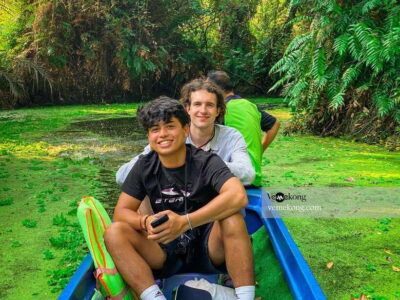
Can Tho: Lung Ngoc Hoang Forest Nature Reserve Half-Day Tour
Read our review →Lists this park day appears in