
Reviewed · NEPAL NATIONAL PARK TOURS
From Kathmandu/Pokhara: 3-Day Chitwan National Park Tour
Chitwan is Nepal’s wildlife break from mountain trekking. Over three days, you trade high passes for riverbanks, sal forest, crocodiles, rhinos, deer, and the careful silence of a jeep safari. The mix of canoe trip, jungle walk, and jeep drive gives you three very different ways to see the park.
I like the practical setup: two hotel nights, park fees, meals, and planned activities are bundled into the $141 price. I also like the small group, limited to 10 people, and the local culture show, which adds a human side to the park visit. The main catch is the long bus ride, usually 5 to 6 hours, and wildlife is never guaranteed. You may see rhinos and crocodiles but miss the tiger entirely.
Key points to know before booking
- Three safari styles in one trip: See Chitwan by canoe, on foot, and by jeep rather than from one vehicle only.
- Sauraha is your base: You stay two nights near the park and are picked up from the Sauraha tourist bus station.
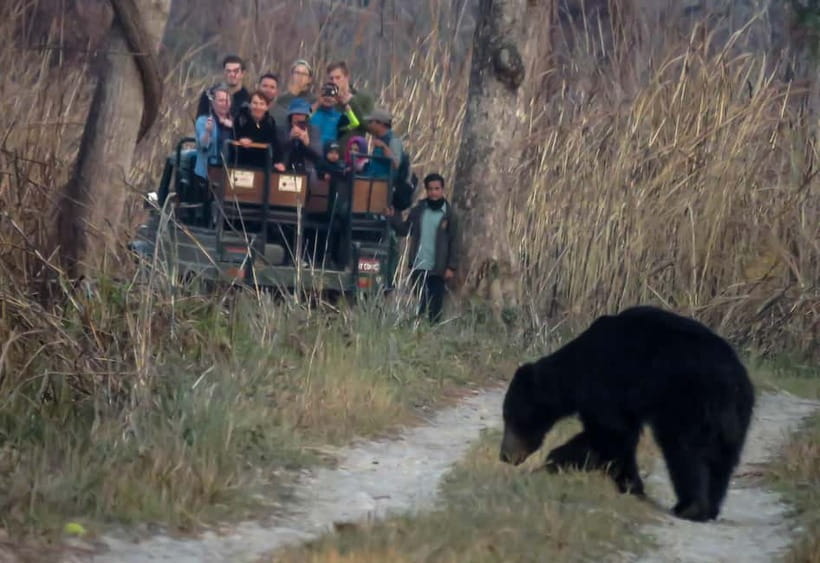
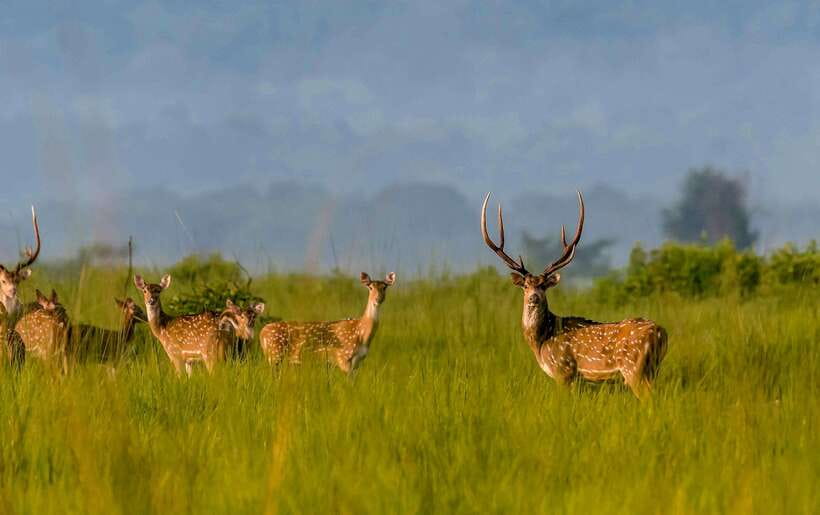
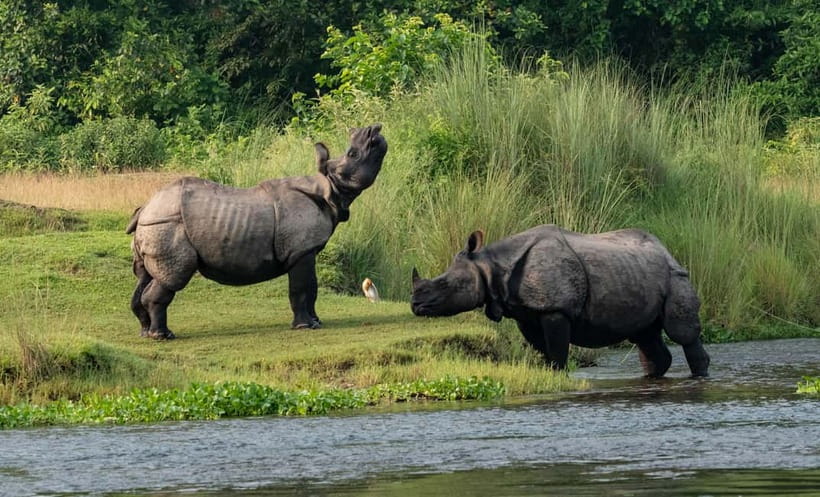
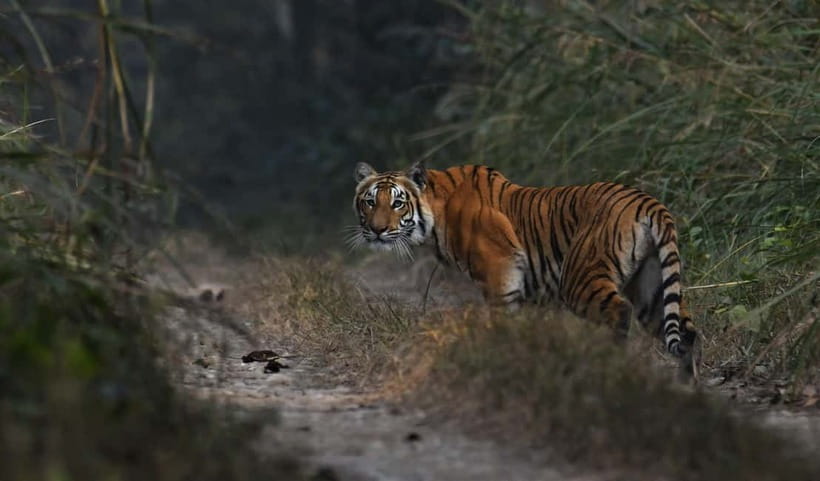
- Rhinos are a realistic highlight: The tour may also reveal crocodiles, deer, birds, big lizards, sloth bears, leopards, or tigers.
- A small group helps: The maximum group size is 10 people, a useful limit for wildlife viewing and guide support.
- Culture is part of the plan: An evening show introduces local Tharu traditions after the first day’s wildlife outing.
- The price covers the main costs: Accommodation, hotel meals, park entry, activities, and listed bus transport are included, but travel meals, drinks, and personal costs are not.
Why Chitwan makes a good three-day escape
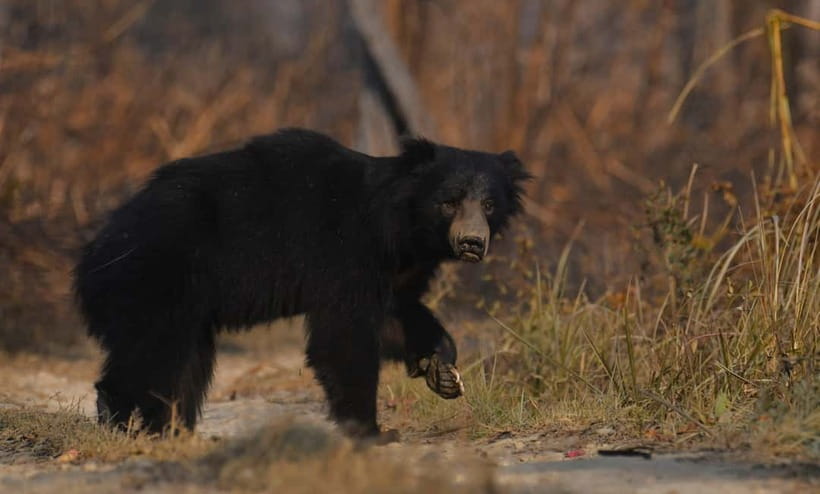
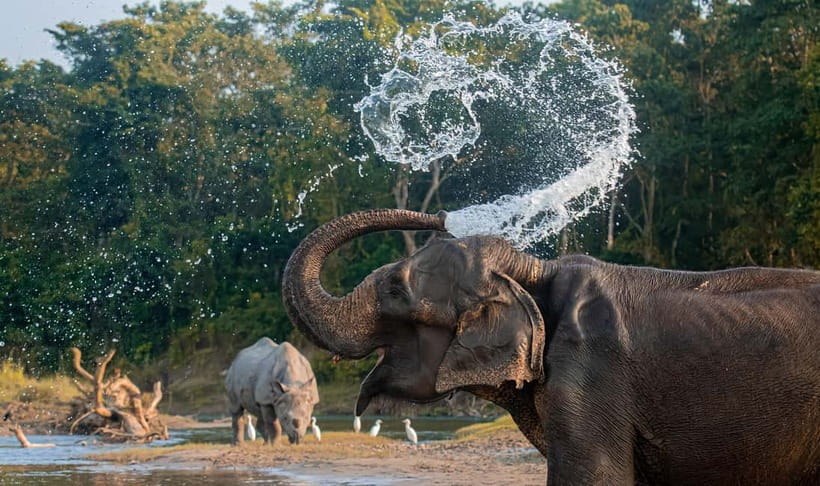
Chitwan National Park offers a sharp change from Kathmandu and Pokhara. Instead of temples, traffic, or mountain views, you spend your time beside rivers and among forest habitats. The park is known for the one-horned rhinoceros, Royal Bengal tiger, sloth bear, deer, crocodiles, and many kinds of birds.
The appeal is variety. A canoe keeps you close to the water, where you can look for crocodiles and water birds. A jungle walk slows everything down and gives you a chance to notice tracks, plants, smaller animals, and forest sounds. The jeep covers more ground and is the most efficient way to search for larger wildlife.
That variety matters because animals do not follow a sightseeing schedule. A tiger may remain hidden. A rhino may appear near the road. Birds may provide the best sightings of the morning. This tour gives you more than one setting and more than one chance to find something interesting.
The package is based in Sauraha, the main base for visits to Chitwan. You do not change hotels during the stay, which keeps the trip simple. After the bus journey, you can check in, eat lunch, and get a briefing before the first short outing.
More Multi-Day Safari Tours in Nepal:
- 3-Day Chitwan National Park Jungle Safari Tour Package with Pick Up
★ 5.0 · 184 reviews - 3-Day Guided Safari Tour in Chitwan National Park in Nepal
★ 5.0 · 8 reviews - Kathmandu: 4-Day Private Chitwan National Park Safari Tour
★ 4.4 · 4 reviews
The bus from Kathmandu or Pokhara
The overland journey takes about 5 to 6 hours. From Kathmandu, you go to the tourist bus station at Shorekhutte. From Pokhara, you go to the Pokhara tourist bus station. The operator provides bus details, and a pickup is arranged when you arrive at the Sauraha tourist bus station.
This is not a quick transfer. You should treat the first day as a travel day with a wildlife introduction, not as a full safari day. Bring water, snacks, and something to occupy you, since meals during the bus journey are not included.
The package information refers to bus transport from Kathmandu to Chitwan and back, while the included transport wording also mentions Kathmandu to Pokhara and back. If your route begins in Pokhara, confirm the exact bus arrangement and return destination before paying. The pickup instructions clearly cover Kathmandu and Pokhara departures, but the wording about the included ticket deserves a quick check.
A private car or flight may also be possible according to the program description, but the standard arrangement is the tourist bus. Ask about any extra cost before changing transport.
Day one: Sauraha, sunset, and Tharu culture
Once you reach Sauraha, a short vehicle transfer of about 10 minutes takes you toward the hotel area. After check-in, you have time to freshen up and eat lunch. An activity briefing follows, giving you a better sense of the next day’s schedule and safety rules.
The first outing includes sightseeing and a visit to a sunset point. This is a gentle beginning after the bus ride. You can look across the area, get your bearings, and start noticing how different the Terai region feels from Nepal’s hill towns.
The sunset stop is not a substitute for a safari, but it serves a useful purpose. You are not rushed into a demanding walk immediately after a long transfer. It also gives you a first look at the open spaces around Sauraha and the park edge.
Dinner is followed by a local culture show. The program focuses on the Tharu community, one of the important local communities of the Chitwan region. This part of the trip helps place the national park in a human setting. Chitwan is not only a place to search for animals. People live around it, work with it, and maintain traditions connected to the area.
You should expect the first evening to be fairly full, but not physically tough. Comfortable clothes and a light layer are sensible. Your main task is to rest well for the early outdoor activities on day two.
Day two: canoe water, forest walking, and elephants
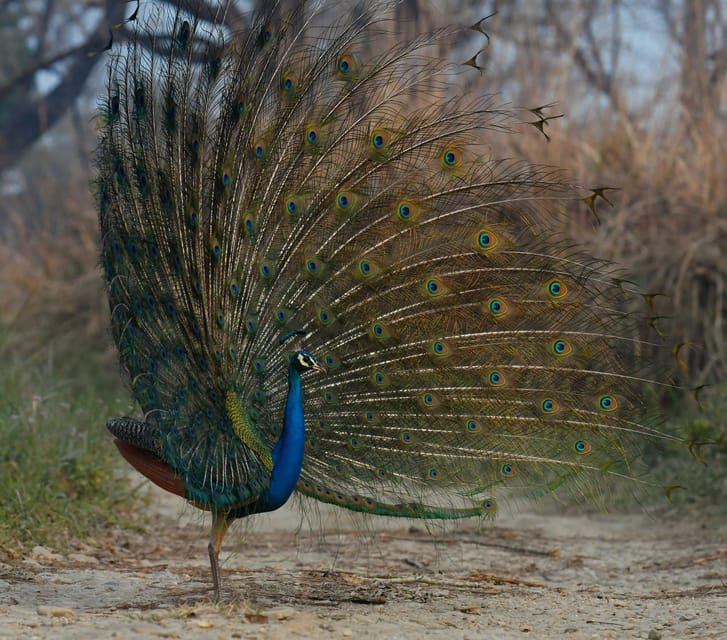
The second day begins after breakfast with a canoe trip. The route gives you a water-level view of the park and its river habitat. Crocodiles and water birds are the main targets, though other animals may appear near the water.
A canoe is a quieter way to watch nature than a jeep. It also changes what you can see. Reptiles may sit along the bank, birds may gather near shallow water, and the slow pace gives you time to scan both sides of the river.
After canoeing, you continue on foot through the jungle. This is the part of the program that demands the most attention. Keep your camera ready, but do not let the camera replace your eyes. The walk is intended to search for rhinos, deer, and other animals, while also showing you the forest habitat directly.
The rules are important here. Keep a safe distance from animals, do not feed anything, and do not touch plants. Smoking, alcohol, drugs, and littering are not allowed. Wear comfortable walking shoes, use insect repellent, and carry a refillable water bottle.
The program also includes a visit to the elephant breeding centre, where you can see young elephants. This may appeal to families and anyone interested in conservation work, though animal facilities can raise difficult questions about welfare and tourism. Approach the stop with respect, follow instructions, and avoid treating the animals as photo props.
The morning combination of canoeing, walking, and the breeding centre lasts about three hours according to the schedule. After lunch, the pace changes again.
More Three-Day Trips in Nepal:
- Jungle Towernight Stay In Chitwan National Park ,nepal-2 Nights 3 Days Package
★ 5.0 · 186 reviews - Kathmandu Shivapuri National Park and Nagarkot Hiking – 3 Days
★ 5.0 · 21 reviews - Nepal: Chitwan National Park 3-Day Jungle Tower Stay
★ 5.0 · 2 reviews - 3 Day Serengeti National Park & Ngorongoro Crater Camping Safari
★ 5.0 · 142 reviews
The afternoon jeep safari
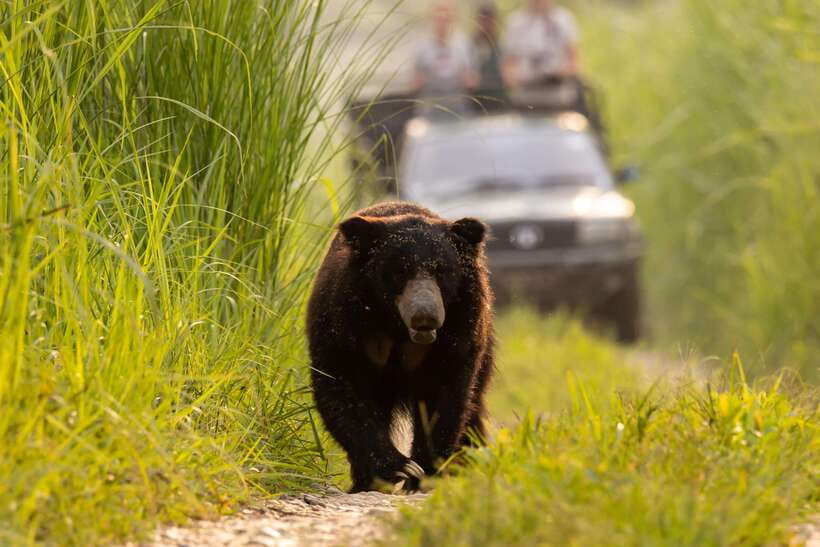
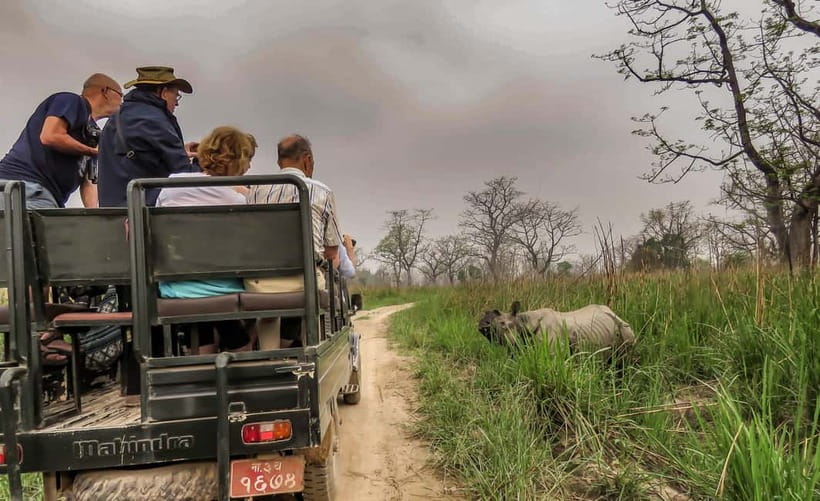
The jeep safari lasts about four hours and is described as the fastest and safest way to cover more of Chitwan National Park. From the vehicle, you can reach areas that would take much longer to visit on foot. That matters when you are searching for animals spread across a large park.
The main possibilities include rhinos, deer, sloth bears, leopards, tigers, and other wildlife. You may also see birds and smaller creatures. One direct account of this experience described sightings of rhinos, crocodiles, many kinds of deer, colorful birds, large lizards, and other small animals. That is a useful reminder of how a successful safari works: the best day is not judged only by whether a tiger appears.
Tigers and sloth bears are exciting possibilities, not promised sightings. Your guide can help you search for signs and likely habitats, but no responsible wildlife tour can guarantee a wild animal encounter. A patient attitude will make the drive more enjoyable.
The jeep offers comfort compared with a long jungle walk, but it is still an outdoor activity. Roads may be rough, and people with back problems should not book this trip. The activity is also not suitable for pregnant women, people with heart problems, or wheelchair users, according to the stated restrictions.
After the drive, you return to Sauraha for dinner and rest. This is a long day, so do not plan a separate evening excursion. The schedule works best when you allow the safari to be the main event.
What the $141 price really includes
At $141 per person, the package offers solid value if you want a planned Chitwan visit rather than arranging each piece yourself. The price includes two nights of accommodation, meals at the Chitwan hotel, national park entry fees, the canoe trip, jungle walk, jeep safari, elephant breeding centre visit, sunset stop, local culture show, and listed bus transport.
Those inclusions remove several costs that can add up quickly. Park entry and safari transport are not small extras, and a hotel with meals makes the two-night stay easier to budget. The small group limit of 10 also gives the tour a more personal scale than a large bus excursion.
The price does not cover medical expenses, personal spending, drinks, alcohol, bottled water, or meals during the bus journey. Bring cash or another payment method for those costs. A refillable bottle is specifically recommended, and biodegradable sunscreen is a good choice for the park.
Accommodation details such as the hotel name and room category are not provided. If room standards matter to you, ask for the property name and what meal plan is included before booking. You should also confirm the return bus route because of the wording around Kathmandu, Pokhara, and Chitwan transport.
The guide and group size
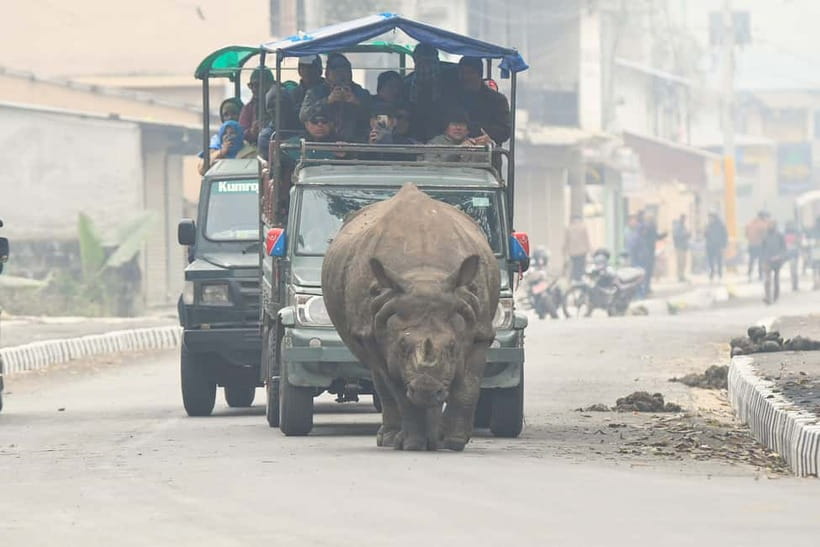
The tour includes an English-speaking live guide. No guide name is provided, so you should not expect to choose a particular guide in advance. The guide’s role is especially useful during the jungle walk, when safety, animal distance, and quiet observation matter.
A maximum of 10 participants is a practical advantage. Wildlife viewing works better when fewer people are talking, moving, or crowding around a sighting. A small group also makes it easier to hear instructions and ask questions.
The group size does not turn the tour into a private safari. You still follow the planned schedule and share transport and activities. But it should feel more manageable than a large coach-based program.
What to pack for the park
Pack light, comfortable clothes and shoes that can handle walking. A hat, sunscreen, insect repellent, water bottle, and camera are all listed as useful items.
You should also prepare for a day split between water, forest, and a jeep. Keep valuables protected from splashes during the canoe trip, and carry only what you need on the jungle walk. Use biodegradable sunscreen to reduce harm to the park’s waterways.
Do not bring alcohol or drugs, and do not smoke in the park. Never feed animals, touch plants, or leave rubbish behind. These rules are not fussy extras. They protect you, the animals, and the place you came to see.
Who should book this Chitwan tour
I would recommend this trip to you if you want a short wildlife experience with transport and activities arranged in advance. It works well after time in Kathmandu or Pokhara, especially if you want two nights away without planning hotel transfers, park entry, guides, and safari vehicles separately.
It suits people who enjoy variety. You are not locked into a jeep for the entire visit. The canoe, walk, and drive each reveal a different side of the park, while the Tharu culture show adds local context.
It is less suitable if you need a slow, luxury holiday or guaranteed big-animal sightings. The bus ride is long, the second day is active, and the wildlife remains unpredictable. People with the listed medical, mobility, and pregnancy restrictions should choose another activity.
The five-star feedback focuses on comfortable buses, the hotel, and the local guide, along with a strong overall experience. One particularly detailed account describes seeing rhinos, crocodiles, deer, birds, large lizards, and smaller animals over three days. That is the right expectation: Chitwan can deliver a great range of wildlife, but the pleasure comes from watching the whole habitat, not only hunting for a tiger.
Should you book it?
Book this tour if you want the main Chitwan experiences in a compact three-day package at a reasonable price. The best features are the small group, three types of wildlife activity, included park fees, and the simple two-night base in Sauraha.
Before booking, confirm the hotel, exact bus route, and return destination. If those details suit your plans, this is a practical way to experience Chitwan without building the trip piece by piece. Go for the rhinos, crocodiles, birds, and forest time. Treat a tiger as a lucky bonus.
FAQ
How long is the Chitwan tour?
The tour lasts three days and includes two nights of accommodation in Sauraha.
Where does the tour start?
You can travel from Kathmandu or Pokhara. From Kathmandu, you go to the tourist bus station at Shorekhutte. From Pokhara, you go to the Pokhara tourist bus station.
How long does the bus ride to Chitwan take?
The bus journey takes about 5 to 6 hours.
What wildlife might I see?
The tour may reveal one-horned rhinoceros, Royal Bengal tigers, sloth bears, deer, crocodiles, leopards, birds, and other smaller animals. Sightings are not guaranteed.
What activities are included?
The program includes a canoe trip, jungle walk, jeep safari, sunset point visit, elephant breeding centre visit, local culture show, and national park entry.
Are meals included?
Meals at the Chitwan hotel are included. Meals during the bus journey, drinks, alcohol, bottled water, and personal expenses are not included.
Is the tour guided in English?
Yes. The tour includes a live English-speaking guide.
Can I cancel the booking?
You can cancel up to 24 hours in advance for a full refund. The tour also offers a reserve now and pay later option.
Newest park tours we have reviewed in Nepal
- Nepal: Chitwan National Park 3-Day Jungle Tower Stay★ 5.0 · 2 reviews
- Kathmandu: Shivapuri National Park Hiking Day Trip★ 3.3 · 3 reviews
- Kathmandu: Shivapuri National Park Day Hike with Lunch box★ 4.8 · 5 reviews
- Kathmandu: 4-Day Private Chitwan National Park Safari Tour★ 4.4 · 4 reviews
- Kathmandu: Shivapuri National park Day Hiking★ 5.0 · 3 reviews
- From Chitwan: Full Day Jeep Safari in Chitwan National Park★ 3.5 · 3 reviews
- 3 Nights 4 Days Chitwan National Park with Tower Night Stay★ 4.4 · 14 reviews
- 3 Nights 4 Days Chitwan National Park with Tower Night Stay★ 5.0 · 4 reviews
Nepal National Park Tours, compared.
Jungle Towernight Stay In Chitwan National Park ,nepal-2 Nights 3 Days Package
Read our review →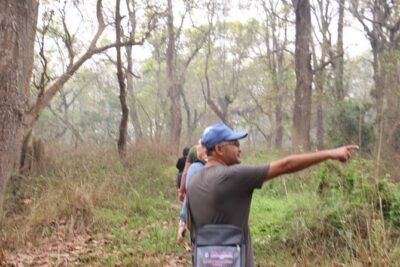
3-Day Chitwan National Park Jungle Safari Tour Package with Pick Up
Read our review →
3 Nights 4 Days Chitwan National Park with Tower Night Stay
Read our review →
Kathmandu Shivapuri National Park and Nagarkot Hiking – 3 Days
Read our review →3 Nights 4 Days Chitwan National Park with Tower Night Stay
Read our review →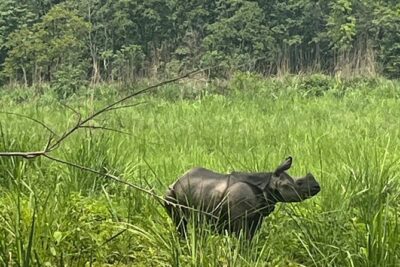
3-Day Guided Safari Tour in Chitwan National Park in Nepal
Read our review →
Kathmandu: Shivapuri National Park Day Hike with Lunch box
Read our review →3 Nights 4 Days Chitwan National Park with Tower Night Stay
Read our review →Lists this park day appears in