
Reviewed · SOUTH AFRICA NATIONAL PARK TOURS
Storms River: Tsitsikamma National Park Zipline Canopy Tour
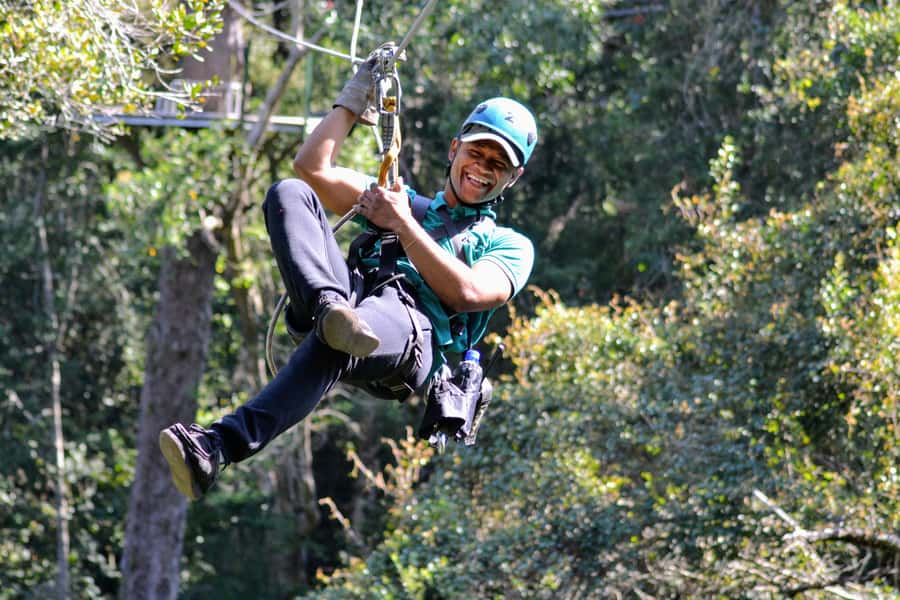
The best part of this Storms River adventure is its setting: you glide 30 meters above the forest floor through old indigenous trees, rather than racing along a bare metal structure. I like the mix of thrills and forest lessons, especially the chance to learn about tree ferns, Outeniqua yellowwoods, and local birdlife while moving from platform to platform.
I also like the careful, good-humored guiding. Guides such as Sibu, Asthani, Max, Monica, Unathi, and Janice have helped nervous first-timers settle in, and the two-guide setup keeps the tour moving safely. The main consideration is the 600-meter hike afterward, which makes this more physical than the zipline alone suggests.
Key points to know before booking
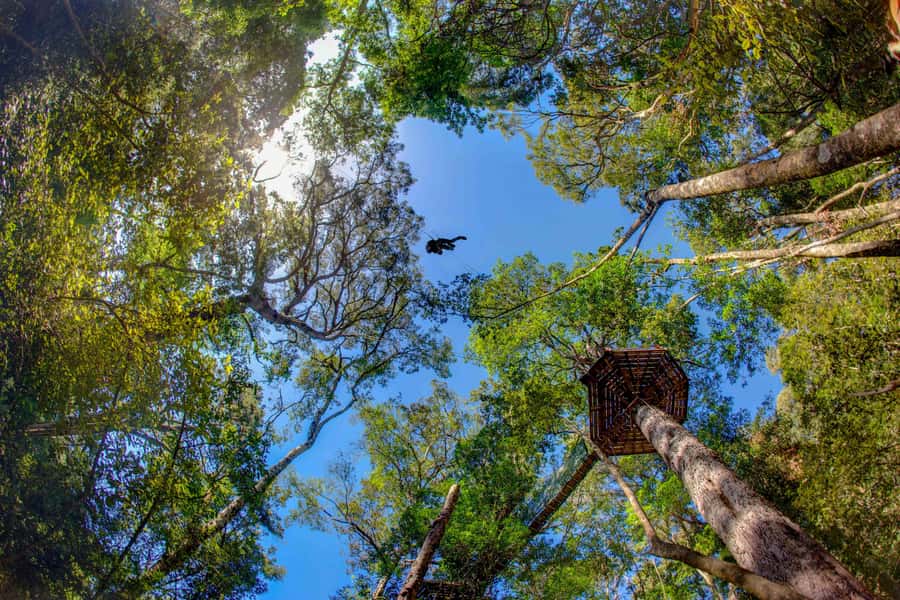
- Up to 30 meters high: Most platforms sit in tall Outeniqua yellowwood trees.
- Ten zipline platforms: The route offers repeated short flights rather than one long ride.
- Two guides for groups of eight: One guide can explain the next line while the other prepares the equipment.
- Forest education included: Expect explanations about birdlife, tree ferns, and the ecology of Tsitsikamma.
- Nervous beginners are welcome: The safety briefing and patient coaching are major parts of the experience.
- A 600-meter walk follows: Wear proper shoes and plan for some walking after the final line.
Flying through Tsitsikamma’s indigenous forest
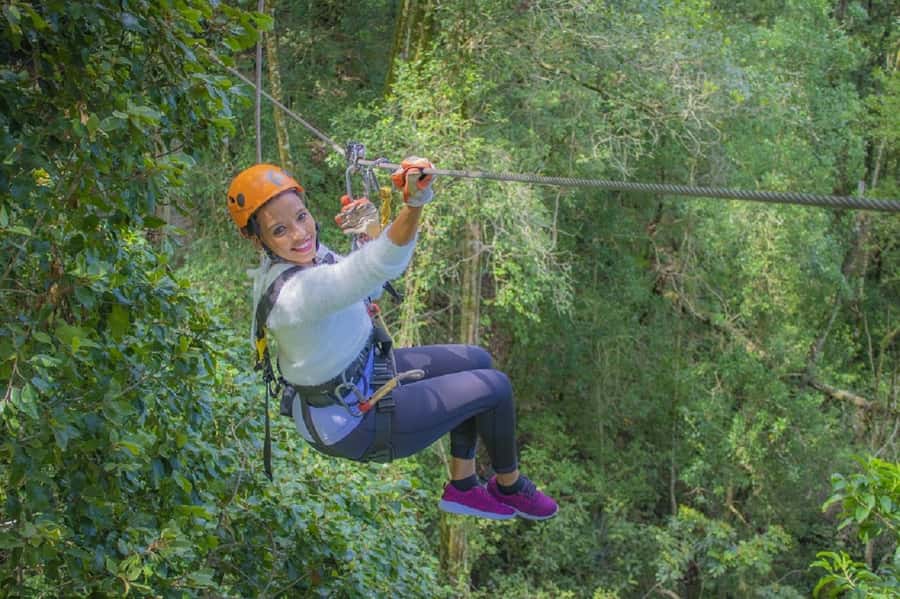
Tsitsikamma Canopy Tours gives you a different view of the forest. From the ground, the trees can feel dense and difficult to read. From the platforms, you see their height, branching patterns, ferns, and patches of forest from above. The zipline is the fun part, but the trees are the reason this activity feels special.
The tour takes place near Storms River in the Eastern Cape, at the meeting point on 101 Darnell Street. It is operated by Stormsriver Adventures, and the activity lasts about 150 minutes. That is long enough to feel like a proper outing, not just a quick ride followed by a walk back to the car.
Most of the platforms are built around Outeniqua yellowwoods. These trees are a defining feature of the route, and the guides use the pauses between ziplines to explain the forest. You may hear about local birds, tree ferns, and other plant life that are easy to miss when you are walking at ground level.
The tour was inspired by canopy research work first developed by biologists in Costa Rica. That background helps explain the design: you are not simply attached to a cable and sent downhill. You move through the upper forest from one platform to another, using a system that brings you close to the tree canopy without requiring technical climbing skills.
Other national park tours people book around South Africa:
- From Johannesburg: Pilanesberg Nature Reserve Game Safari
★ 4.8 · 1,327 reviews - Addo Elephant National Park All Inclusive Full-Day Safari
★ 4.8 · 872 reviews - Kruger National Park Full Day Private safari
★ 5.0 · 799 reviews
What happens before you leave the ground
The experience starts with a safety briefing and equipment fitting. You receive a helmet, gloves, and harness, and two qualified guides remain with the group during the tour. The group limit is eight people, which matters here. A larger group would create longer waits between lines and make it harder for guides to give personal attention.
The safety talk covers how to use the equipment and what to do at each platform. That preparation is especially useful if this is your first canopy tour or if heights make you uneasy. Several guides have been praised for explaining each step clearly, staying close to first-timers, and helping people through the first launch.
I would pay close attention at this stage, even if you have zip-lined elsewhere. Every course has its own equipment and procedure. Comfortable shoes and comfortable clothing are required, while backpacks are not allowed. A small camera or GoPro may be permitted, but the supplied information specifically warns against backpacks, so keep your belongings light and confirm any camera arrangements before setting out.
The guides speak English and Afrikaans. Their role is not limited to checking harnesses. They also set the mood, answer questions, and share information about the forest. One guide can explain the next zipline while the other prepares the cable, reducing confusion and making the waiting time useful.
The first platform is the biggest mental hurdle
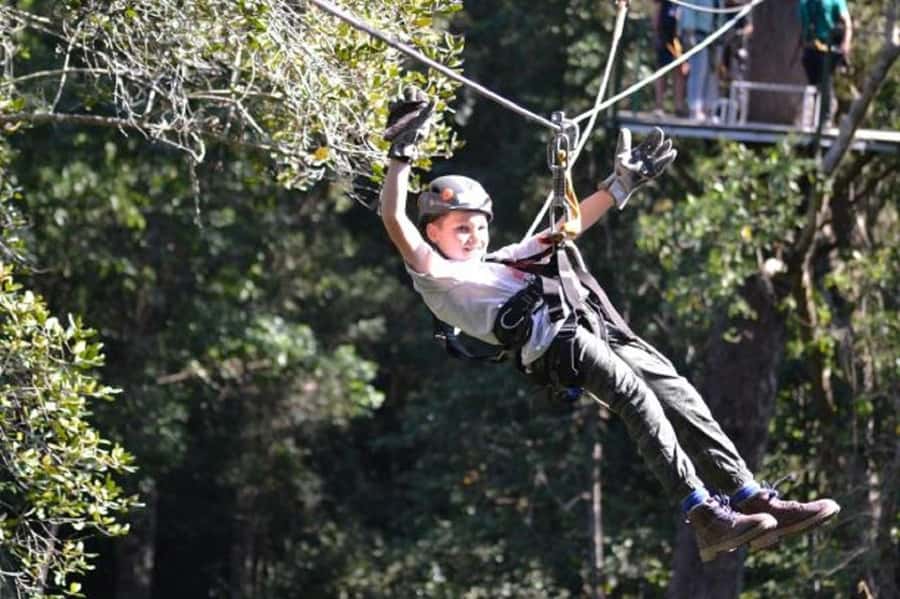
The first step off a platform is usually the moment when the activity feels real. You are high in the trees, clipped into a harness, and expected to trust the line. The first ride may feel more intimidating than the later ones, especially if you are nervous about heights.
That is where the guide team makes a real difference. Max has been singled out for his calm manner and jokes, while Unathi and Sibu have been praised for keeping the atmosphere relaxed without losing focus on safety. Other guide teams, including Juanita and Michelle, Janice and Nicole, and Lance and Teneal, have also been noted for clear explanations and steady support.
You do not need to arrive as an adrenaline enthusiast. The course has worked well for people who were anxious before the first line, including those who described themselves as afraid of heights. The guides can help you get through the first launch, after which the repeated routine of clipping in, gliding across, and stepping onto the next platform becomes easier.
Still, this is not a zero-fear activity. You are suspended above the ground, and you should expect a genuine thrill. If you strongly dislike heights, the guides can make the experience easier, but they cannot remove the height itself.
Ten platforms, repeated flights, and forest pauses
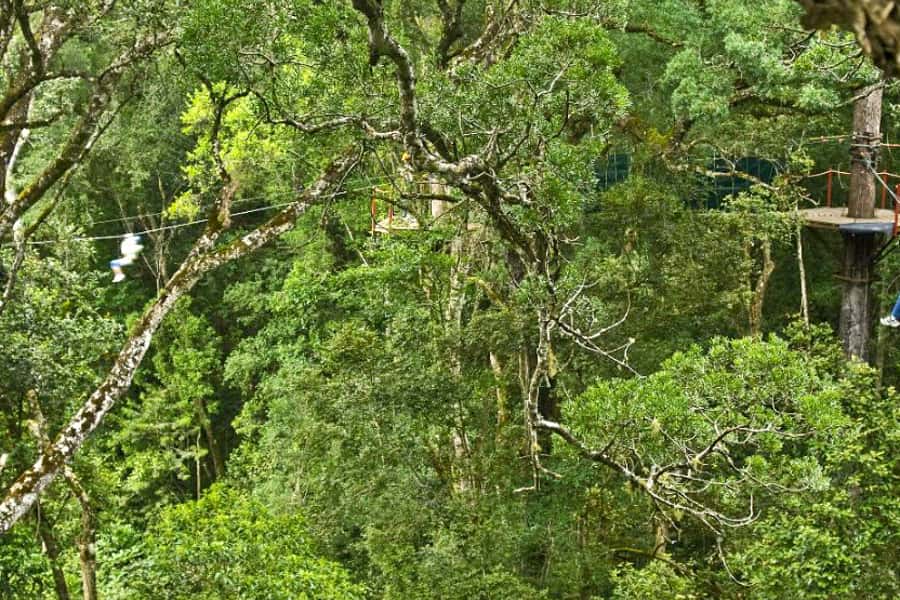
The route includes ten platforms, according to the tour details shared by a past participant. That gives you several chances to get comfortable with the equipment and enjoy the scenery. The lines are not described as one giant, record-breaking flight, and one assessment found the ziplining less intense than some other courses. That is useful context if you are looking for extreme speed.
For many people, the moderate pace is a strength. You have time to listen to the guide, look around, and take in the forest instead of spending the whole tour bracing for the next launch. The course feels accessible to families and mixed-age groups, with one group ranging from eight to 61 years old and another outing enjoyed by a grandmother aged 69 and her 19-year-old granddaughter.
At each platform, the guide explains what comes next. You may wait briefly while another person travels along the line, especially if the group reaches the maximum of eight. That pause is part of the structure rather than a flaw. It gives you time to watch the person ahead, adjust your stance, and enjoy the view.
You also get a bottle of water, which is welcome in a warm forest setting. Photos and videos are not included, but they can be purchased after the activity. Some participants have been able to take their own GoPro, although you should keep any camera secure and follow the guide’s instructions.
More National Park Tours in South Africa:
- Full Day Ultimate Pilanesberg National Park Safari from Johannesburg or Pretoria
★ 4.5 · 718 reviews - Kruger National Park – Private full day Safari trip.
★ 5.0 · 347 reviews - Addo Elephant National Park All Inclusive Full-Day Safari
★ 5.0 · 256 reviews - From Sun City: Pilanesberg National Park 3-Hour Game Drive
★ 4.5 · 216 reviews
Look down for tree ferns, then look outward for birds
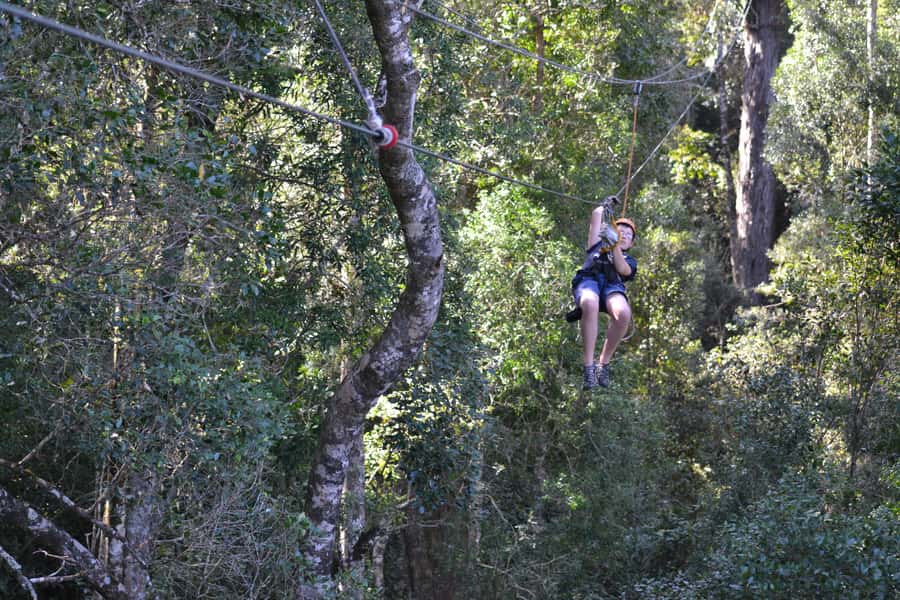
The ecological side of the tour is not just filler between zip lines. Tsitsikamma’s forest has a layered appearance, and the platforms give you a chance to notice details that disappear from a trail. Tree ferns are a particular feature, along with the tall yellowwoods that support many of the platforms.
The guides explain local flora and birdlife as you go. You may not see every bird mentioned, since wildlife sightings cannot be guaranteed, but the forest itself is always part of the route. If you enjoy nature walks but want more action than a standard trail provides, this combination works well.
I like that the activity treats the forest as more than a backdrop. The tour grew from research-based canopy access, and the guiding connects the zipline to the ecology around you. That adds value to the ticket, especially if you are already visiting Tsitsikamma National Park and want an activity that helps you understand the trees as well as photograph them.
The forest setting also makes this different from a zipline course built over open farmland or a developed park. You spend the ride surrounded by trunks, branches, and upper-canopy views. The forest may feel enclosed in places, so do not expect a wide-open panorama from every platform.
Why the two-guide system matters
A canopy tour requires more than a friendly introduction. The guides manage harnesses, explain the launch position, check the next section, monitor the group, and help people who are unsure. Having two guides means one can stay focused on the participant while the other prepares the cable or explains the next stage.
Safety came up repeatedly in the experience information, and for good reason. The equipment includes a helmet, gloves, and harness, and the activity begins with formal instruction. Guides have been described as attentive, professional, and particularly reassuring to people who were nervous.
The humor is useful too. A serious safety briefing does not need to feel grim, and guides such as Sibu, Asthani, Max, and Monica have been praised for making the group laugh while keeping the process organized. That balance can make the difference between tense waiting and enjoyable anticipation.
The course is also suitable for a range of ages, but the minimum age is five. Children under five cannot participate. The activity is not suitable for pregnant women, and the maximum weight is approximately 130 kilograms, or 287 pounds. This limit relates to fitting comfortably into the harness, not simply to a number on a scale, so contact the operator if you are unsure.
The 600-meter hike is part of the calculation
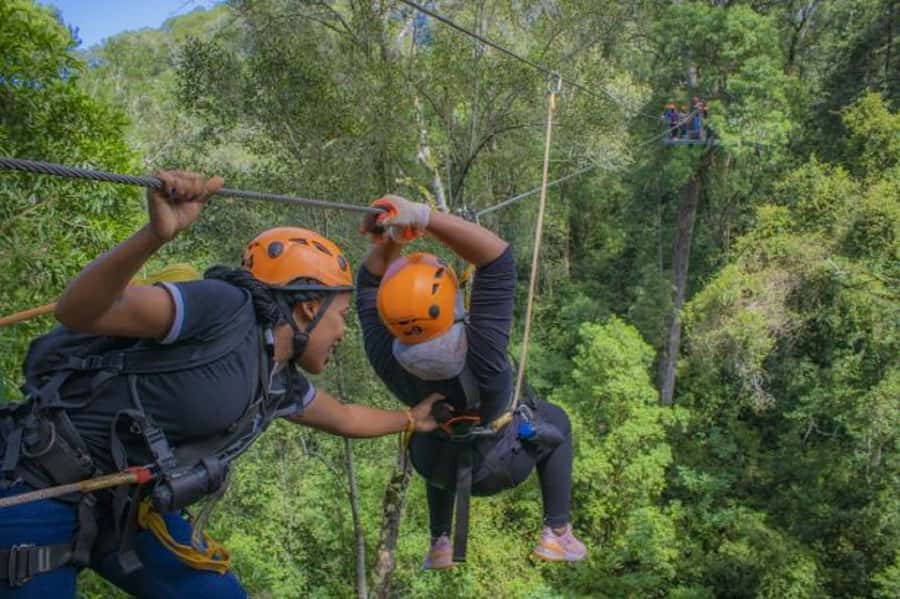
The ziplining lasts within a 150-minute outing, but the activity also includes a 600-meter hike afterward. This is an important practical detail. You should not book it thinking you will finish the final line and immediately return to the meeting point.
The walk may feel easy after the adrenaline fades, but it still requires comfortable footwear. The tour instructions ask you to bring comfortable shoes and clothes, and that advice is worth following. Avoid stiff shoes, loose clothing, or anything you would dislike wearing on a forest walk.
Rain does not necessarily cancel the mood. Rain jackets have been provided on wet days, according to one participant, but weather arrangements can vary. The supplied information does not promise that rain gear is always included, so ask the operator if the forecast looks poor.
Do not bring a backpack. You can ask about storing personal items at the meeting point, but no storage arrangement is specified in the tour details. Pack only what you need and leave valuable or bulky items behind whenever possible.
Is $55 good value for 150 minutes?
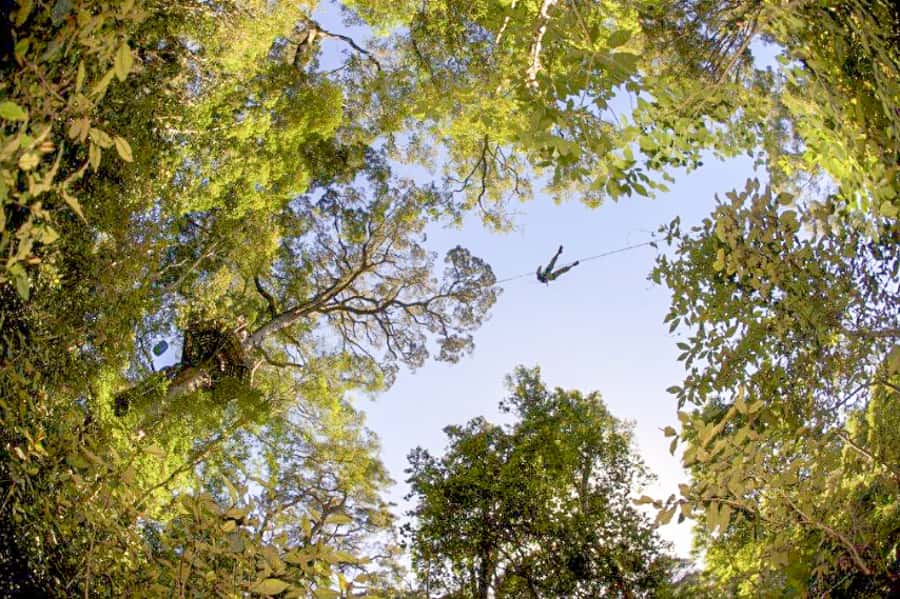
At $55 per person, this is not the cheapest quick thrill, but the price covers more than the cable ride. You receive two guides, safety equipment, a bottle of water, a certificate, and roughly two and a half hours in the forest. The small group limit is also valuable because the guides can spend time with nervous participants and explain the setting.
The certificate is a small extra rather than a reason to book. The real value lies in the combination of adventure and interpretation. You get a guided route through indigenous forest, repeated zipline runs, safety coaching, and information about local plants and birds.
I would compare it with the cost of other paid activities around Tsitsikamma, but the best comparison is with what you want from the day. If you want the fastest and most extreme zipline in the region, this may feel too gentle. If you want a forest activity that works for a mixed-age group and includes a strong safety element, $55 is reasonable.
Photos and videos cost extra, so include that in your budget if you want professional images. Your own camera may be possible, but backpacks are not allowed and all equipment must remain secure.
Who should book this canopy tour?
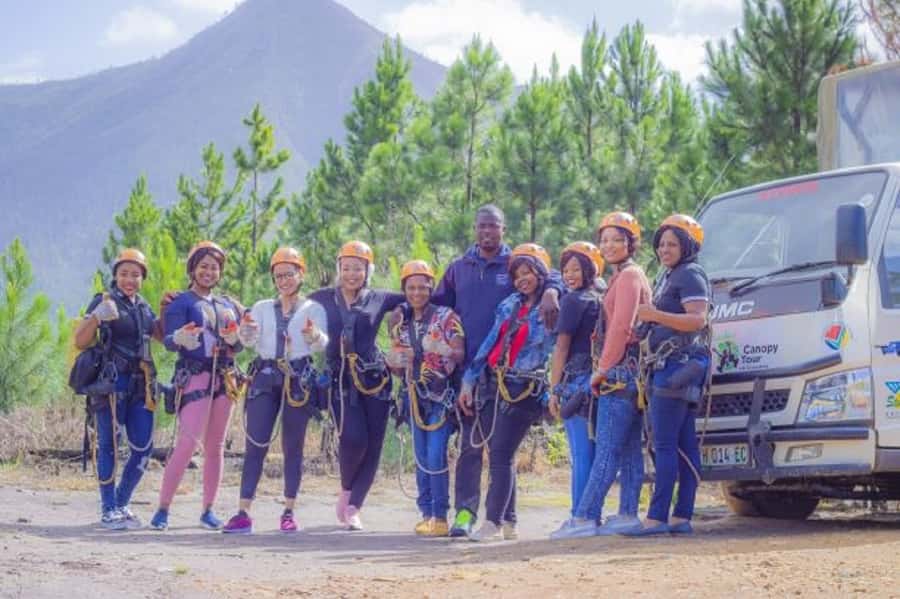
This is a good choice for first-time zipliners, families with children over five, couples, and mixed-age groups. It also suits people who like nature but do not want a full day of strenuous hiking. The guides provide enough explanation to make the forest meaningful, while the zip lines keep the outing lively.
It can work for nervous participants too. I would tell a friend who fears heights to be honest with the guides at the start and expect the first line to be the hardest. The support is strong, but you still need to accept being high above the ground.
You should think twice if you are pregnant, cannot fit comfortably into a harness, or dislike a 600-meter walk after the zip lines. You also need to be comfortable leaving a backpack behind.
Should you book it?
Book this Tsitsikamma canopy tour if you want a friendly, well-supervised forest adventure rather than a pure speed test. The strongest reasons are the two-guide format, the patient help for beginners, the yellowwood setting, and the chance to learn about the forest while you move through it.
Skip it if your priority is a very long, very fast zipline or if walking afterward would be difficult. For most people who want a memorable Storms River activity with a clear safety focus and a genuine connection to the forest, the $55 price is fair.
FAQ
Where does the Tsitsikamma Canopy Tour meet?
The meeting point is Tsitsikamma Canopy Tours, 101 Darnell Street, Stormsrivier, 6308, South Africa.
How long does the tour last?
The stated duration is 150 minutes, or about two and a half hours.
How high above the ground are the ziplines?
The tour reaches up to 30 meters above the forest floor.
How many people can join the group?
The maximum group size is eight participants.
Which languages do the guides speak?
The live guides speak English and Afrikaans.
What equipment is included?
The tour includes gloves, a helmet, and a harness. You also receive a bottle of water and a certificate.
What should I wear?
Wear comfortable clothing and comfortable shoes. You should also be prepared for a 600-meter hike after the zipline portion.
Can I bring a backpack?
No. Backpacks are not allowed on the tour.
Is the tour suitable for children?
Children under five are not permitted. The activity information also describes groups including children from age eight upward.
Is there a weight limit?
The maximum is approximately 130 kilograms, or 287 pounds. The limit concerns fitting comfortably into the harness.
Is the tour suitable during pregnancy?
No. The tour is not suitable for pregnant women.
Are photos and videos included?
No. Photos and videos are available to purchase after the tour, and some participants have taken a GoPro with them.
Newest park tours we have reviewed in South Africa
- 3-Hour Shared Game Drive in Pilanesberg National Park★ 4.7 · 38 reviews
- 2 days Pilanesberg national park luxury safari★ 5.0 · 2 reviews
- : Addo Elephant National Park Safari Half Day★ 4.2 · 14 reviews
- Addo Elephant National Park from Port Elizabeth – FD01★ 5.0 · 78 reviews
- From Johannesburg: Kruger National Park 3-Day Safari★ 4.7 · 78 reviews
- Addo Elephant National Park Tour – Full day of Wildlife Wonders★ 5.0 · 34 reviews
- Big 5 Kruger National Park 2 Days Safari from Johannesburg★ 4.5 · 25 reviews
- Pilanesberg Nature Reserve★ 5.0 · 36 reviews
South Africa National Park Tours, compared.
Addo Elephant National Park All Inclusive Full-Day Safari
Read our review →
Full Day Ultimate Pilanesberg National Park Safari from Johannesburg or Pretoria
Read our review →
Kruger National Park – Private full day Safari trip.
Read our review →Addo Elephant National Park All Inclusive Full-Day Safari
Read our review →
From Sun City: Pilanesberg National Park 3-Hour Game Drive
Read our review →
Lists this park day appears in