
Reviewed · AUSTRALIA NATIONAL PARK TOURS
Half-Day Abseiling Adventure in Blue Mountains National Park
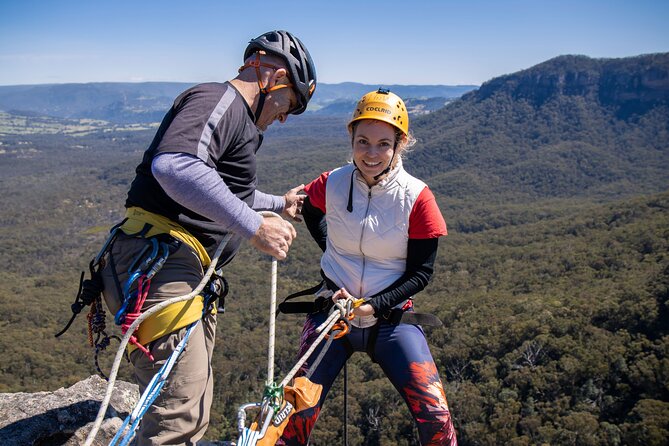
The real draw here is the steady climb in difficulty. You begin with a 5-metre abseil, repeat 15-metre descents, then work up to a 30-metre overhanging drop in Blue Mountains National Park. It gives first-timers a sensible way to learn before the height and exposure increase.
I like the small-group feel, with no more than 16 people, and I like that your guide stays close while you learn the ropes. The supplied gear, national park fees, and short transfer from Katoomba are also covered. The main caution is simple: this is an active outing, and the final drop will not suit anyone uneasy with heights or with only moderate fitness.
Key points before you book
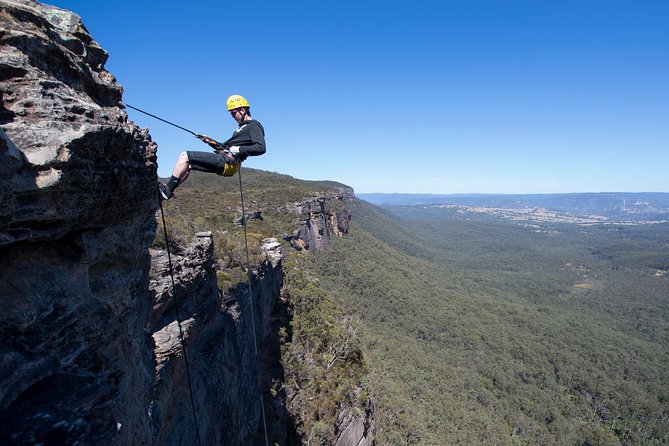
- Three clear stages: Start at 5 metres, move to 15 metres, then tackle the 30-metre overhanging abseil.
- Instruction comes first: A fully qualified instructor explains technique, safety, and each step before you descend.
- Scenery is part of the reward: You abseil among Blue Mountains bushland rather than in an indoor climbing facility.
- Useful inclusions: Ropes, harness, helmet, local transport, park fees, taxes, and an instructor are covered.
- A compact half-day: Allow about 3 hours and 30 minutes, including transport from the Katoomba office and the return.
- Weather matters: The activity runs in all weather conditions, but poor weather can lead to a new date or a full refund.
Why the 5-metre start matters
Abseiling looks straightforward from the ground. You lean back, control the rope, and walk down a rock face. In practice, the body position takes getting used to, especially when your feet leave level ground and your eyes look down at the drop.
That is why the first 5-metre descent is useful. It is not just a warm-up. It gives you time to learn how the harness feels, how to place your feet, and how to control your speed before the walls get taller. If you have abseiled before, it helps bring the technique back. If this is your first time, it gives you a manageable first step.
Your instructor explains the method and remains close by to offer encouragement. That matters more than flashy equipment or a big promise of thrills. You want clear instructions when you are standing at the edge, and this tour is built around that gradual start.
The early section may feel short for confident climbers. That is the trade-off. A beginner needs time to settle in, while an experienced participant may wish the serious height arrived sooner. The format works best when the group has mixed experience levels and everyone gets room to build confidence.
More Half-Day Trips in Australia:
- Half-Day Pemberton National Parks Beach and Forest Eco Adventure
★ 5.0 · 206 reviews - East Coast National Park: Half-Day Caves Jeep Safari
★ 4.6 · 1,090 reviews - Canyonlands National Park Half-Day Tour from Moab
★ 5.0 · 1,074 reviews
From practice to 15-metre descents
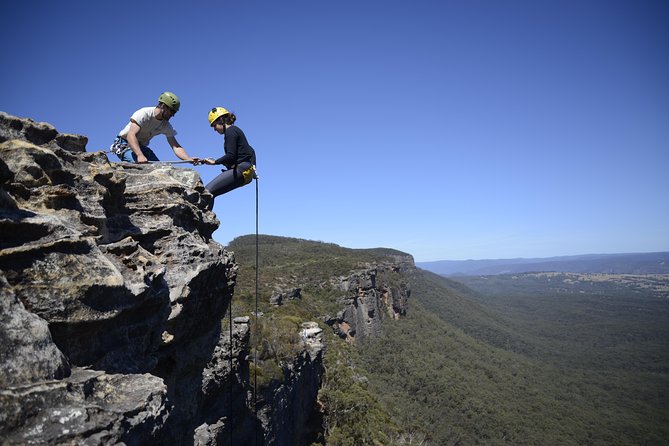
Once the basic technique is in place, the tour moves to 15-metre abseils. You can complete these a couple of times, which gives you a chance to improve rather than simply survive the first attempt.
This middle stage is probably the most useful part of the session for many people. The height is large enough to feel exciting, but the repeated run gives you a chance to correct small mistakes. You may find your feet become more confident, your rope control more even, and your attention less fixed on the drop below.
The guide’s role is active here. You receive tips and safety instructions, then apply them on the rock. That combination is better than a one-time briefing followed by a hands-off descent. Gemma is one of the instructors specifically named in the feedback, and her friendly, encouraging approach was singled out. If she is leading your session, you can expect a guide who focuses on making the group feel comfortable and involved.
The 15-metre section also helps you judge the final challenge honestly. If you are already tense at this height, the 30-metre descent may feel like a step too far. You are not required to treat the biggest drop as a test of character. The value of the progression is that you can learn how your own comfort level changes as the walls rise.
The 30-metre overhanging drop
The final descent is the headline act: a 30-metre, or roughly 98-foot, overhanging abseil. This is where the half-day adventure shifts from a guided introduction to a serious adrenaline hit.
An overhang changes the feeling of the descent. Instead of simply walking down a sloping rock face, you move away from the wall and rely more fully on the rope and harness. The instructor talks you through each stage, but you still need to follow directions, manage your body position, and stay calm.
For some people, this will be the reason to book. For others, it will be the point to consider carefully. The activity requires a moderate level of physical fitness, and the largest descent demands comfort with height. You should expect an active outing, not a sightseeing stop with a small optional thrill attached.
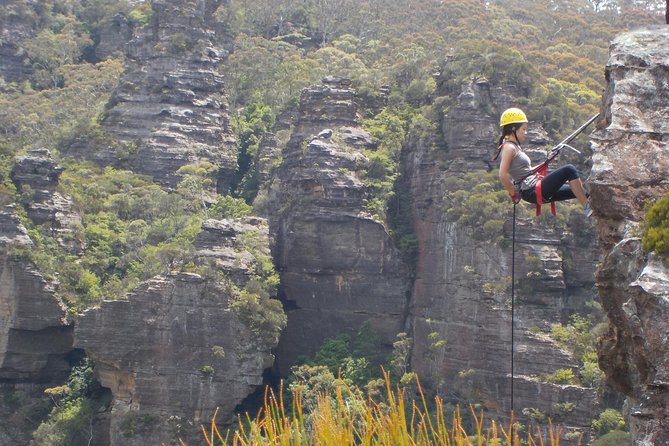
The setting softens the hard edge of the challenge. While you wait or descend, you can look across the bushland of Blue Mountains National Park. The scenery gives the experience a sense of place that a constructed climbing wall cannot match. You are not only measuring yourself against a rope system. You are moving through one of the region’s striking natural settings.
What the 3-hour-30-minute schedule feels like
The advertised duration is about 3 hours and 30 minutes. That is long enough for a proper progression, yet short enough to fit beside other Blue Mountains plans.
You meet at 207 Katoomba Street in Katoomba. From the office, transport to the abseiling location is included. This is a practical benefit because you do not need to arrange separate transport to the cliffs or work out where the activity starts in the national park.
The time is divided between the transfer, safety talk, equipment preparation, instruction, and the descents themselves. The exact time spent on each stage can vary with group pace and conditions, but the stated plan moves from 5 metres to 15 metres and then to 30 metres.
At the end, you return to the same meeting point. Hotel pickup and drop-off are not included, so you need to make your own way to Katoomba Street. If you are staying elsewhere in the Blue Mountains, build that travel time into your day.
A maximum group size of 16 keeps this from being a private lesson, but it also prevents the outing from becoming an enormous crowd. Your experience will still depend on the number of people booked and how quickly the group works through each descent. The instructor’s close guidance is the key feature to look for, not the promise of a completely personal session.
More National Park Tours in Australia:
- Litchfield National Park and Jumping Crocodile Cruise
★ 5.0 · 2,119 reviews - Grampians National Park Small-Group Eco Tour from Melbourne
★ 5.0 · 761 reviews - From Port Arthur: Tasman Island Wilderness Cruise
★ 4.9 · 704 reviews - Sydney: Blue Mountains National Park Tour with River Cruise
★ 4.6 · 701 reviews
Gear, safety, and what you need to bring
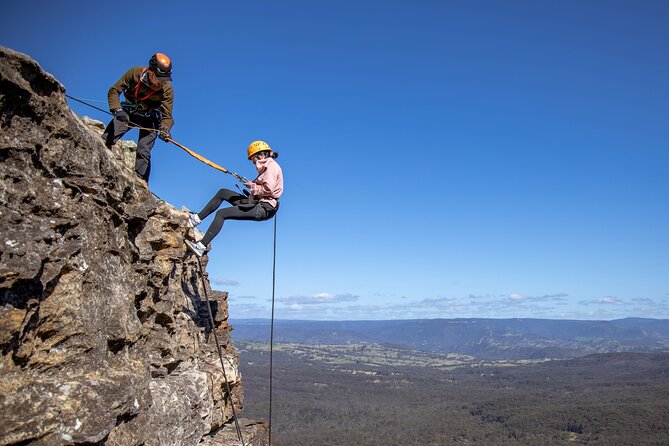
Technical equipment is included. That covers the ropes, harness, and helmet, along with the other safety equipment needed for the abseils. A local guide and fully qualified instructor are also part of the package.
This is important for occasional adventurers. You do not need to own climbing gear or know how to rig a rope before arriving. The guide provides the technique and safety instructions, then stays available as you progress.
You do need to dress for outdoor conditions. The activity operates in all weather conditions, so suitable clothing is your responsibility. Food and drinks are not included. Plan ahead rather than assuming refreshments will be provided during the session.
The physical requirement is listed as moderate fitness. The information does not set out a specific age limit, but children must be accompanied by an adult. If your group includes a child, contact the operator before booking if you need to clarify suitability, since the published details only establish the adult accompaniment rule.
The value of the $150.62 price
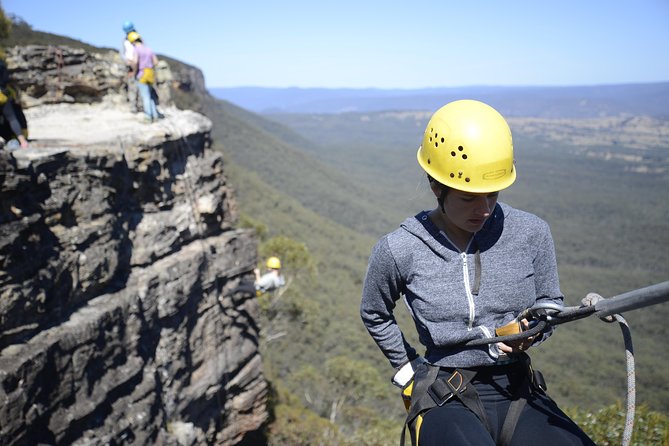
At $150.62 per person, this is not a cheap add-on, but the price covers more than the actual time hanging on the rope. You receive a local guide, a fully qualified instructor, all technical and safety equipment, national park fees, taxes, and transport from the Katoomba office to the activity site.
That package reduces the small costs and planning jobs that can otherwise catch you out. You do not need to arrange park access separately, rent a helmet and harness, or find a way to the abseiling location. For a first experience, having instruction and equipment included makes the price easier to justify.
The value depends on how much of the progression you use. A confident abseiler who only wants one big drop may find the 5-metre practice section slow. A first-timer is more likely to appreciate the staged format, repeated 15-metre descents, and close instruction.
The activity is booked an average of 24 days ahead, which suggests you should not leave it until the last moment if your Blue Mountains dates are fixed. That is especially important for a trip with limited time, since there may not be another suitable departure during your stay.
Weather, cancellations, and planning your day
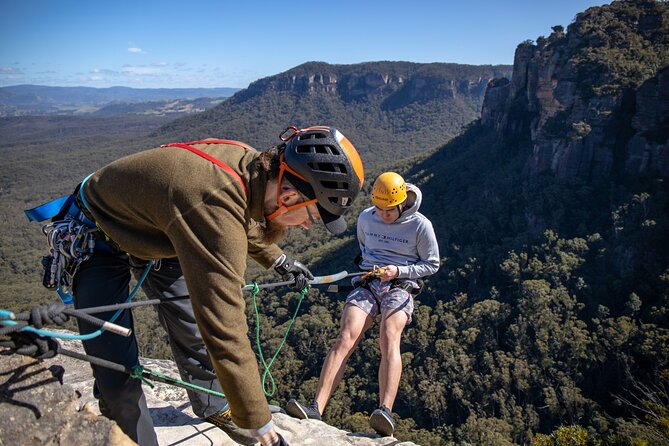
You can cancel for a full refund if you do so at least 24 hours before the start time. Changes or cancellations made less than 24 hours ahead are not accepted for a refund.
Weather is the important exception. If poor conditions cause the operator to cancel, you are offered another date or a full refund. That policy gives you some protection, but it does not remove the need for flexibility. Keep a little space in your schedule if this is one of the main activities you hope to do in the Blue Mountains.
Since the activity starts and ends at 207 Katoomba Street, it pairs neatly with other plans based in Katoomba. Do not assume hotel transport is included. You need to arrange your own route to the meeting point and your own food and drinks.
The mobile ticket makes arrival simpler. Confirmation is provided at booking, so keep the ticket available when you meet the operator.
Who will enjoy this most
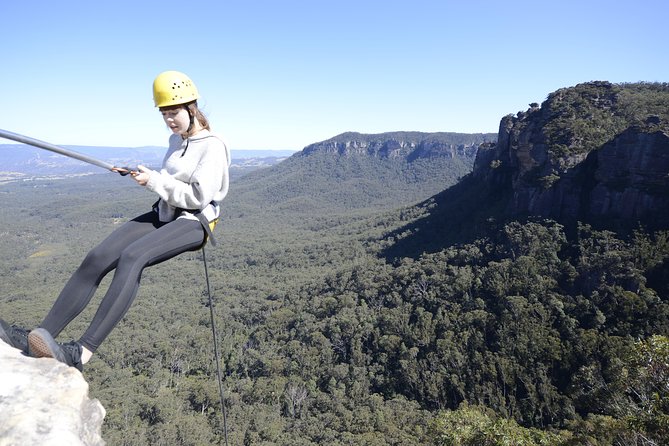
I would recommend this outing to first-time abseilers who want real instruction and a clear build-up in difficulty. The 5-metre start removes some of the pressure, while the 15-metre stage gives you practice before the 30-metre drop.
It also suits people who have tried abseiling before and want a compact session with a bigger final descent. The ability to repeat the 15-metre section gives you more than a single one-off rappel.
Families can consider it if children meet the operator’s requirements and are accompanied by an adult. Still, the final drop is serious, so do not book it simply because a younger member of your group likes ordinary outdoor activities.
I would hesitate if you have a strong fear of heights, limited fitness, or no patience for safety briefings and gradual practice. The tour is designed to build confidence, but it cannot remove the basic demands of a 30-metre overhanging descent.
My verdict on this Blue Mountains adventure
The strongest part of this experience is its structure. You do not begin with the biggest wall and hope for the best. You learn at 5 metres, practise at 15 metres, then decide how you feel before taking on the 30-metre overhang.
The setting adds genuine value, and the inclusions keep the planning tidy. A 4.9 out of 5 score from 59 reviews, along with a 97 percent recommendation rate, fits the main strengths: helpful instruction, a memorable setting, and a well-paced challenge. Gemma receives particular praise for her guidance and ability to keep people enjoying the experience.
Book it if you want more than a quick photo stop and are ready for a physical activity with a real height component. Skip it if you want a relaxed scenic outing, need hotel transport, or would rather avoid the final overhanging drop. For the right person, this is a lively, well-organized way to see the Blue Mountains from a very different angle.
FAQ
Where does the abseiling tour start?
The tour starts at 207 Katoomba Street, Katoomba, New South Wales 2780, Australia.
How long does the experience last?
The activity lasts approximately 3 hours and 30 minutes.
Where does the tour finish?
The activity ends back at the meeting point in Katoomba.
How high are the abseils?
The session includes a 5-metre abseil, 15-metre abseils, and a final 30-metre overhanging abseil.
Is equipment included?
Yes. Technical and safety equipment, including ropes, a harness, and a helmet, is included.
Are national park fees included?
Yes. All fees and taxes, including national park fees, are included.
Is transport included?
Transport from the operator’s office to the abseiling location is included. Hotel pickup and drop-off are not included.
Do I need previous abseiling experience?
No previous experience is stated as a requirement. The session begins with a 5-metre abseil so the instructor can teach the technique and help you build up to the higher drops.
Can children join the activity?
Children must be accompanied by an adult. Participants should also have a moderate level of physical fitness.
What happens if bad weather cancels the tour?
If poor weather causes a cancellation, you are offered a different date or a full refund. You can also cancel for a full refund if you do so at least 24 hours before the experience starts.
Newest park tours we have reviewed in Australia
- Kakadu National Park Full Day Tour + Yellow Water River Cruise★ 5.0 · 16 reviews
- Kakadu National Park Evening Tour + Yellow Water Sunset Cruise★ 5.0 · 4 reviews
- Litchfield National Park Waterfalls & Wildlife Adventure Tour★ 5.0 · 30 reviews
- Nitmiluk National Park & Katherine Hot Springs – Full Day Tour★ 5.0 · 12 reviews
- Kakadu National Park Cultural Experience + Scenic Flight★ 5.0 · 8 reviews
- Kakadu National Park Scenic Flight &Yellow Water Cruise★ 5.0 · 28 reviews
- Small-Group Trekking Experience in Daintree National Park★ 5.0 · 4 reviews
- Day Excursion Burnie Cradle Mt National Park★ 4.5 · 8 reviews
Australia National Park Tours, compared.
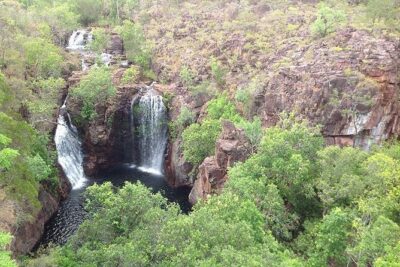
Litchfield National Park and Jumping Crocodile Cruise
Read our review →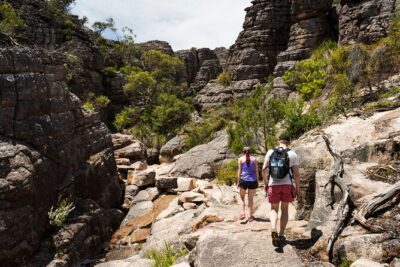
Grampians National Park Small-Group Eco Tour from Melbourne
Read our review →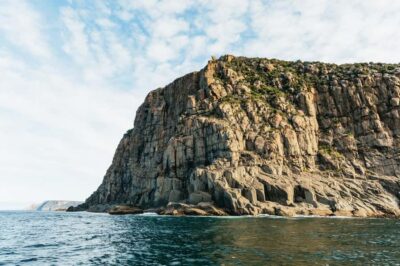
From Port Arthur: Tasman Island Wilderness Cruise
Read our review →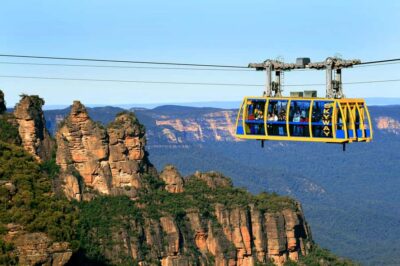
Sydney: Blue Mountains National Park Tour with River Cruise
Read our review →
From Hobart/Adventure Bay: Bruny Island Wilderness Cruise
Read our review →
Port Arthur Full-day Guided Tour with Harbour Cruise and Tasman National Park
Read our review →
Grampians National Park Small-Group Eco Day Tour
Read our review →
Hobart: Bruny Island Wilderness Coast Eco Cruise with Lunch
Read our review →Lists this park day appears in