Reviewed · VOLCANO NATIONAL PARK TOURS
Big Island: Hawai’i Volcanoes National Park Guided Hike
Hawai’i Volcanoes National Park is at its best when you can slow down and read the ground beneath your boots. This small-group hike connects rainforest, the broad floor of Kilauea Iki Crater, steaming volcanic areas, and the dark passage of Thurston Lava Tube in one long outing. I especially like the close look at native ecology and the chance to hear Hawaiian volcano stories from a guide such as Jennifer.
I also like the small group limit of 10 people, which gives the guide room to explain what you are seeing without turning the walk into a moving crowd. The included picnic is another real plus, with salads, sandwiches, and desserts. One thing to check before you go is breakfast: the tour describes a buffet with fruit, salmon, cheese, tea, and coffee, but one recent participant received only snacks such as bars and nuts.
Key points to know before booking
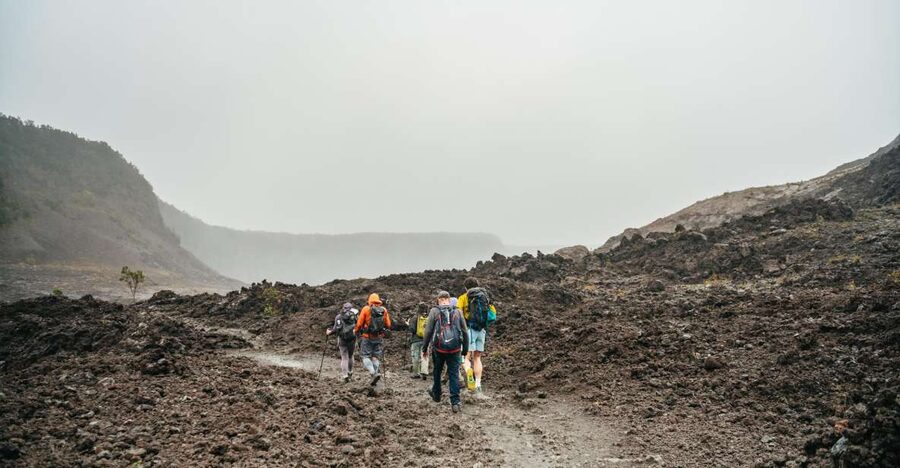
- Kilauea Iki Crater is the visual centerpiece: You get wide views across a solidified lava lake and a clear sense of the crater’s immense scale.
- Thurston Lava Tube adds a change of pace: The route ends underground in a cave shaped by ancient flowing lava.
- Jennifer receives especially warm praise: Her volcano stories, legends, kindness, and personal touches, including homemade cookies, are part of the appeal.
- The tour takes 390 minutes: Plan on roughly six and a half hours, with a substantial amount of walking.
- Food is included, but breakfast needs clarification: A gourmet picnic is promised, while the morning meal may not always be a full buffet.
- You pay the national park fee separately: Budget $15 per person, $30 per vehicle, or use an $80 annual national parks pass.
Why this hike works better than a quick park stop
A short visit to Hawai’i Volcanoes National Park can give you a crater view and a walk through the lava tube. This outing gives those sights a connecting story. You move from living forest to old lava, then from open volcanic space into a cave, while the guide explains how plants, animals, steam, and rock fit together.
That matters here because the park can feel scattered if you visit without a plan. The attractions are impressive, but their meaning is easier to grasp when someone points out the relationship between the rainforest and the volcano. You are not simply checking off Kilauea Iki and Thurston Lava Tube. You are following a route that shows how volcanic activity shaped both the land and the life growing on it.
The group is limited to 10 participants. That is small enough for questions and conversation, but it is still a group walk rather than a private lesson. You can also choose a private tour if you want more control over the pace and attention.
The full duration is 390 minutes, or six and a half hours. That is a serious half-day commitment. I would choose it when the national park is one of your main reasons for visiting the Big Island, not when you are trying to squeeze in a fast morning stop before another major activity.
More Park Hiking and Trekking Tours in the USA
- San Francisco: Yosemite National Park & Giant Sequoias Hike
★ 4.5 · 1,777 reviews - Everglades National Park Biologist Led Adventure: Cruise, Hike + Airboat
★ 5.0 · 685 reviews - The Narrows: Zion National Park Private Guided Hike
★ 5.0 · 209 reviews
Meeting at Kilauea Visitor Center
You meet your guide at the Kilauea Visitor Center inside Hawai’i Volcanoes National Park. The meeting point is practical because it places you directly in the park, but remember that park admission is not included in the tour price.
The listed options are $15 per person, $30 per vehicle, or an $80 annual pass covering all national parks. If you are taking several national park trips during the year, the annual pass may make sense. For a single visit, compare the per-person and vehicle rates with the number of people in your car before paying.
The tour is conducted in English. Since the hike takes place rain or shine, arrive ready for changing conditions rather than assuming a dry morning. You should bring hiking shoes, water, and rain gear. Those are not decorative packing suggestions. Rain can change the footing and the feel of the forest, while proper shoes matter on a route that includes crater terrain and a lava tube.
Breakfast, timing, and the first walk through the forest
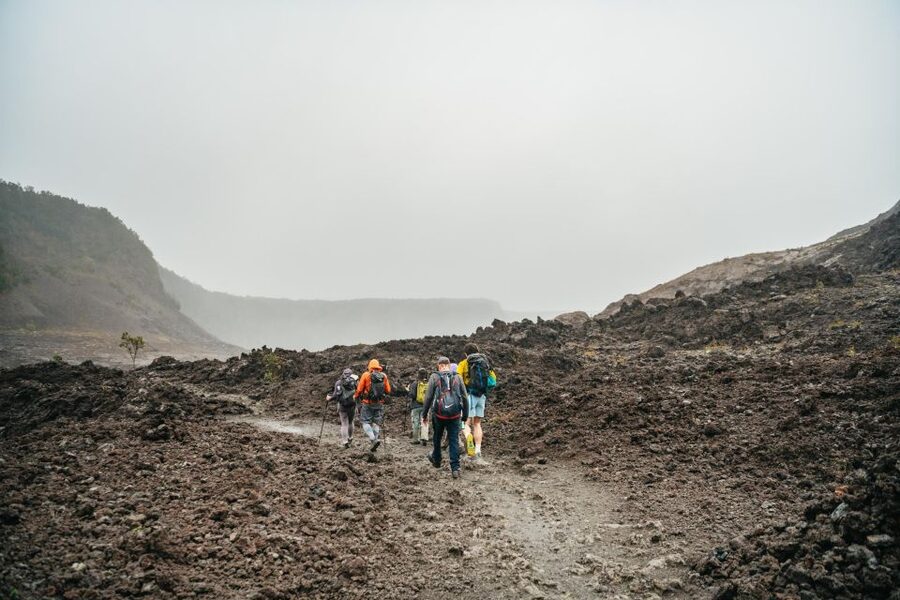
The morning is described as beginning with a buffet breakfast of fruit, salmon, cheese, teas, and coffee. That is a pleasant way to start a long walk, especially if you are meeting early and do not want to search for food first.
Still, I would confirm the breakfast arrangement before setting out. One participant specifically expected the buffet and instead received snacks such as bars and nuts. That difference matters if you plan to skip your own breakfast. The safest approach is to ask what will actually be served and carry a little food of your own if you need a substantial morning meal.
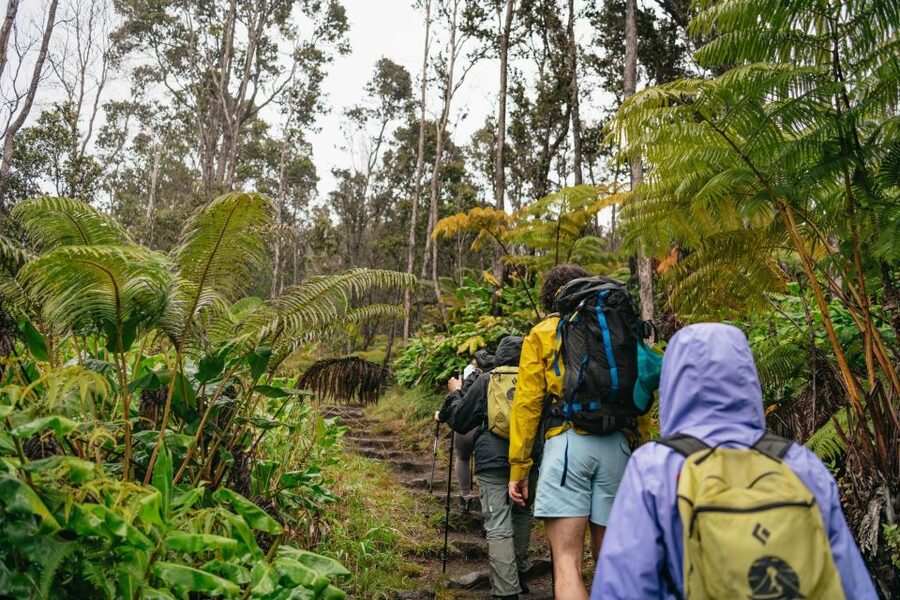
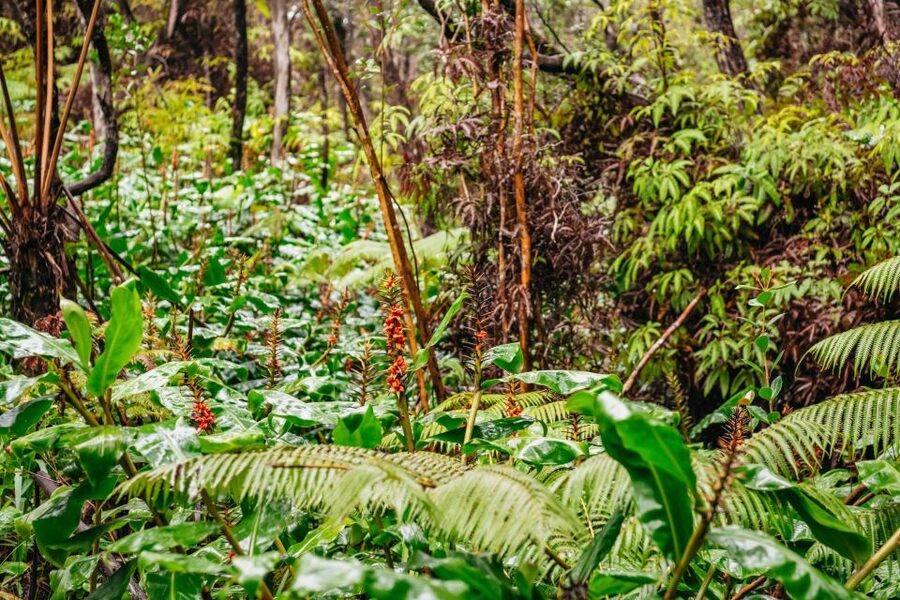
After breakfast, you head into native Hawaiian forest. This part gives the hike its ecological side. You may look for native wildlife, and your guide explains how the forest functions within a volcanic park. The appeal is not just the greenery. It is the contrast between a living forest and the hard, recently formed surfaces associated with Kilauea.
Jennifer has been praised for her warm manner and for explaining both volcano stories and local legends. That kind of guiding can make a difference in a place where the scenery is powerful but not always self-explanatory. You will get more from the walk if you ask questions about the plants, animals, and volcanic features as they appear.
Keep your expectations sensible about wildlife. The tour encourages you to watch for native species, but no particular animal sighting is promised. Treat the forest as an opportunity to observe rather than a wildlife guarantee.
Looking across Kilauea Iki Crater
The route reaches Kilauea Iki Crater, one of the most memorable sections of the day. From above, you look over a solidified lava lake and take in the broad crater walls around it. The view gives you scale in a way that photographs often fail to do.
The crater is also where the tour’s geology becomes easier to understand. Instead of hearing about an eruption as an abstract event, you are looking at the surface left behind. The hardened lava lake reads like a frozen record of volcanic change, while the surrounding walls show the size of the forces involved.
One participant described crossing the caldera as the best part of the day, particularly because it made the size of the eruption easier to grasp. That is useful advice for pacing your attention. Do not rush through the crater views just to reach the next stop. Give yourself time to look from the walls across the open floor and notice how small people seem against it.
The route is not suitable for people with mobility impairments, and children under 8 cannot join. Even for fit walkers, six and a half hours outdoors requires stamina. The activity information does not provide a mileage figure or a detailed elevation profile, so ask the provider about current trail conditions if you have concerns about distance, footing, or hills.
More Volcano National Park Tours in the USA
- Hilo Shore Excursion: Volcanoes National Park & Black Sand Beach
★ 4.5 · 2,338 reviews - Big Island: Fat Tire E-Bike Tour through Volcanoes National Park
★ 5.0 · 546 reviews - Big Island, Hawaii: Volcanoes National Park Safari
★ 4.5 · 545 reviews - Small-Group Big Island Tour: Hawaii Volcanoes National Park and Kona Coffee Farm
★ 5.0 · 343 reviews
Steam vents and the active caldera
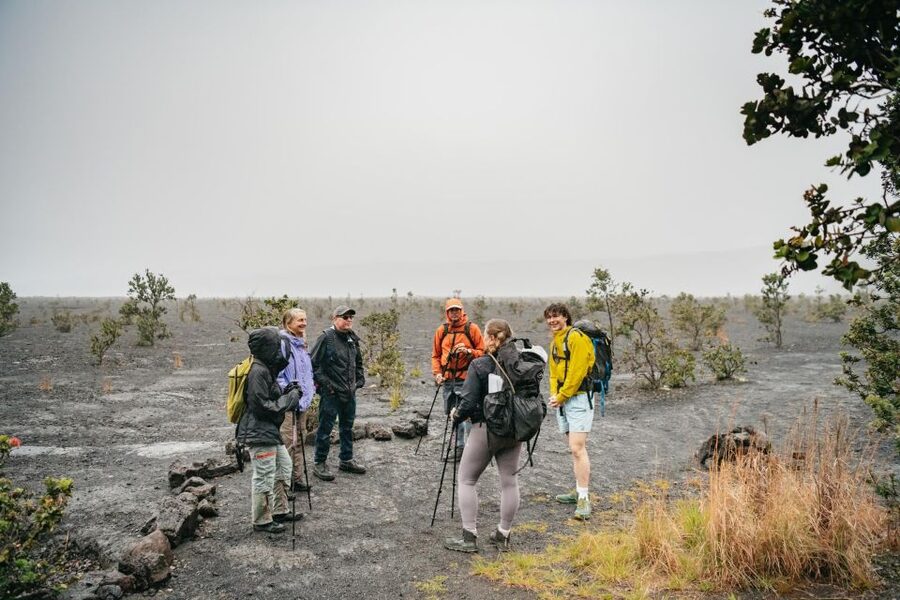
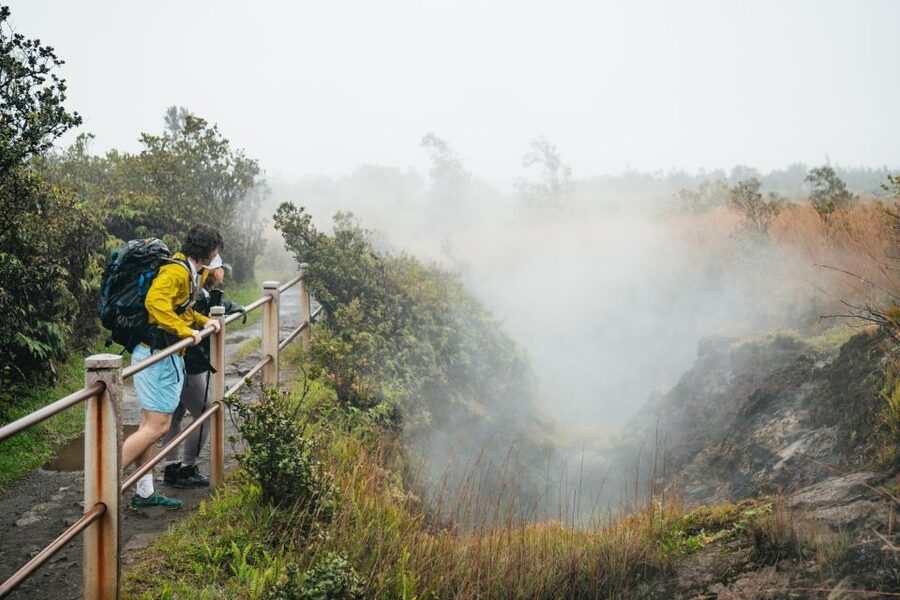
From the crater area, the hike continues between a field of steam vents and through native forest toward a caldera. This is where the park feels most active. Steam rising from the ground gives the route a physical reminder that volcanic heat remains beneath the surface.
You may feel heat against your skin near the caldera. The large volcanic walls help you understand the scale of the formation, while the guide connects what you see to the area’s ecology and volcanic past. I like this section because it joins sensation and explanation: you are not only hearing about heat, you are experiencing its presence.
Conditions can vary in a rain-or-shine setting. Rain gear protects you from wet weather, but it also helps you stay focused when the weather turns. Bring water even if breakfast and lunch are included. Food is supplied, but hydration remains your responsibility.
This portion will suit you if you enjoy learning while walking. It is less suited to anyone hoping for a relaxed scenic drive with only brief stops. The point is to move through several environments on foot and spend time listening to the guide.
Entering Thurston Lava Tube
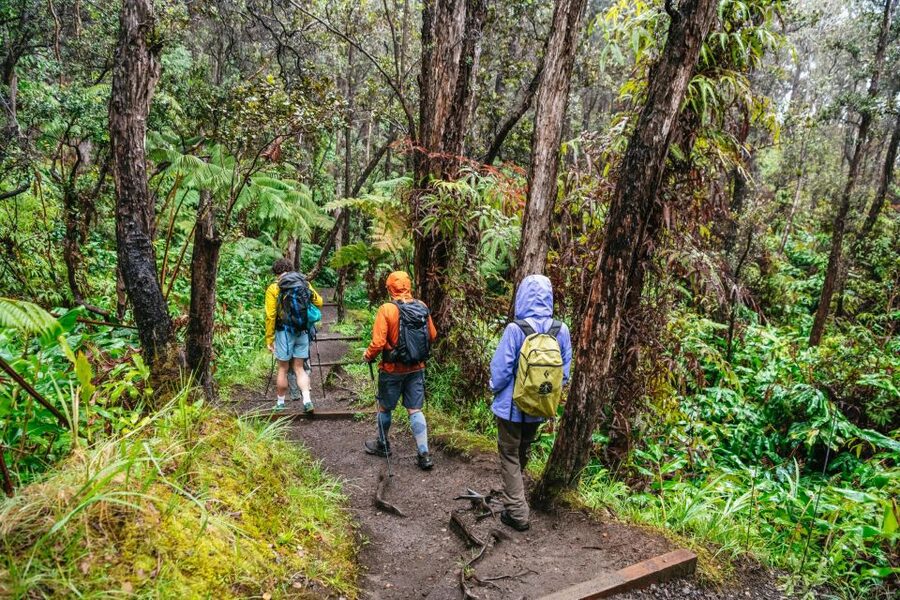
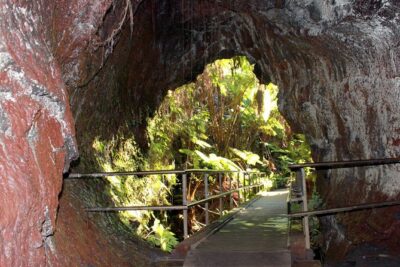
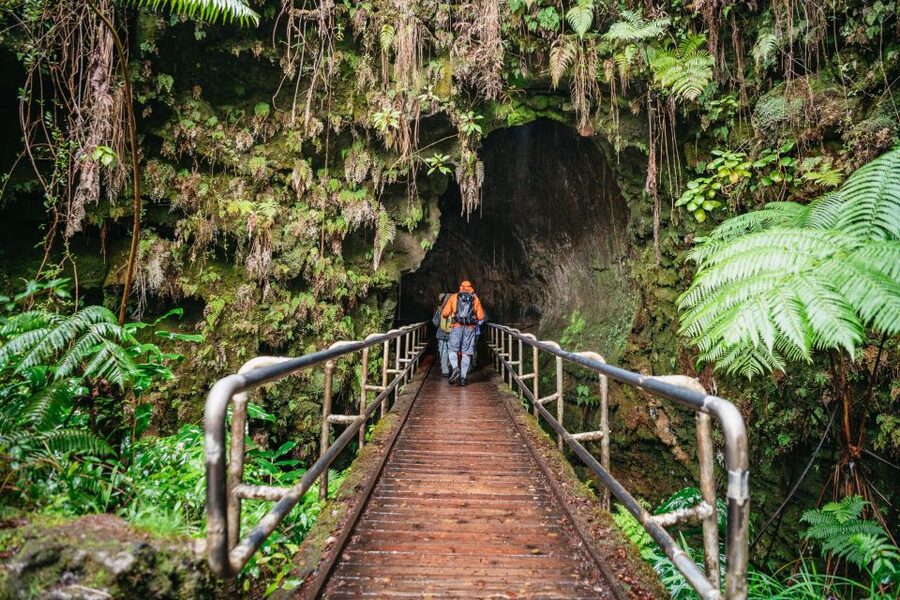
The final major attraction is Thurston Lava Tube, a long underground passage formed by ancient flowing lava. You descend into the tube and walk through a natural corridor created when the outer part of a lava flow cooled while molten lava continued moving inside.
The lava tube changes the mood of the excursion. After the open views of Kilauea Iki and the exposed steam vents, you enter a darker, enclosed space. It is a memorable finish because the volcanic story becomes three-dimensional. You are walking through the shape left by the lava rather than simply looking at a crater from above.
The tube is also a practical reason to wear shoes with good support. The activity specifically asks you to bring hiking shoes, and this is not the place for flimsy footwear. Rain gear remains useful for the rest of the route, even though the tube itself provides shelter from rain.
Because the tour finishes here before returning to the visitor center, the underground section is not a minor add-on. It is one of the main reasons to choose the guided route instead of visiting only a viewpoint. You get the open scale of the caldera and the close, enclosed texture of a lava-formed cave in the same day.
What you eat, and when you eat it
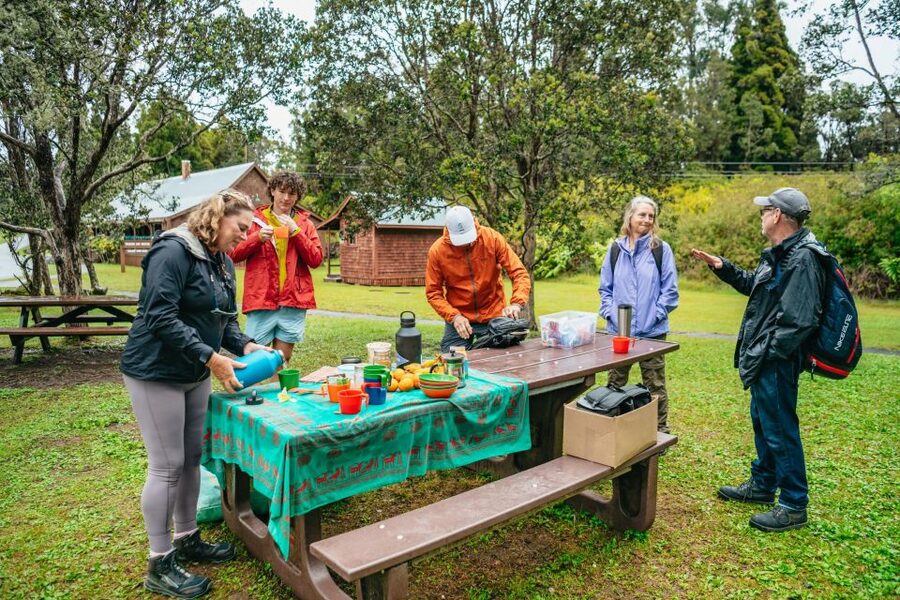
The included food adds value to a long outing. The advertised breakfast includes fruit, salmon, cheese, teas, and coffee. The picnic lunch includes salads, sandwiches, and desserts, described as gourmet rather than a basic packed snack.
One practical timing note comes from the day’s structure: the lunch break may happen near the end of the hike. If you expect lunch halfway through the walk, you could find the schedule less convenient. Ask when lunch is planned, especially if you need food at regular intervals or are hiking with older children.
The picnic itself has been singled out as tasty, and Jennifer has even brought homemade cookies as an extra snack on one outing. That personal touch is not something you should count on every time, but it gives you a sense of the care that can shape a small-group day.
At $230 per person, the food helps, but it does not explain the whole price. You are also paying for a six-and-a-half-hour guided experience, a small group, park interpretation, and a planned route through several major areas. The value is strongest if you want context and company rather than only access to the park.
The guide makes the difference
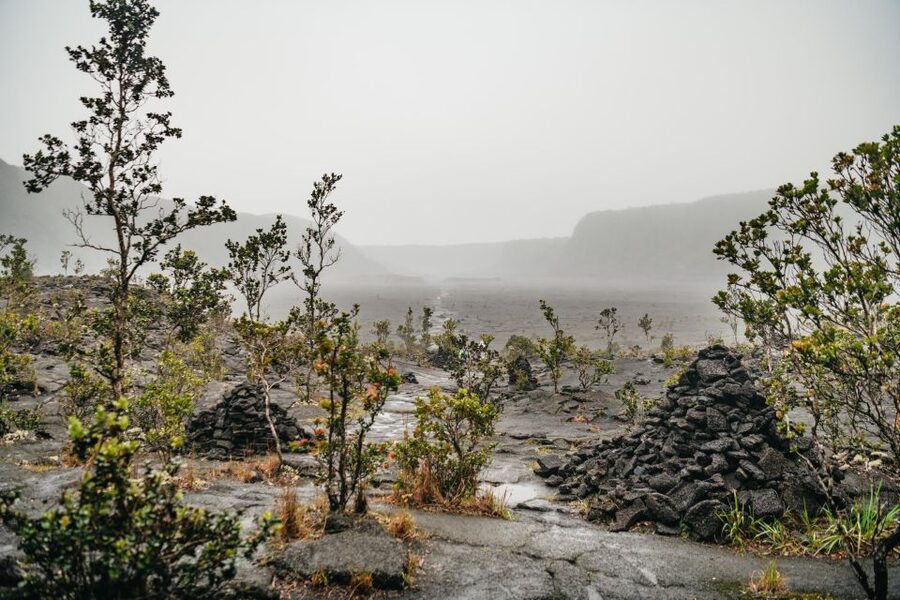
Jennifer is the guide name most clearly associated with this outing. Her strengths are her friendly manner, clear explanations, volcano stories, Hawaiian legends, and attention to the group. One participant also appreciated how considerate she was toward everyone on the hike.
That combination matters. A guide can make a crater view feel like a lesson, or simply point at it and move on. Here, the best version of the tour gives you the background to understand why the forest, crater, steam vents, and lava tube belong in one story.
The small group also lets you meet other people without the crowd feeling unwieldy. If you prefer complete control over pauses and conversation, choose the private option. If you like sharing the day and possibly making new connections, the group tour offers a more social setting.
Guide quality can vary from one departure to another, so do not assume every outing will be identical. Still, Jennifer’s specific praise is a strong reason to hope for a personal, story-driven experience rather than a scripted walk.
Price, effort, and who should book
At $230 per person, this is not a budget way to see Hawai’i Volcanoes National Park. Add the separate admission fee, and the total rises. The price makes more sense if you would otherwise need to plan your own route, arrange food, and learn the volcanic background on your own.
I would book this if you want the park to be a central part of your Big Island visit, enjoy walking for several hours, and value a guide who can explain ecology and geology in plain terms. It is also a good match if you want the major sights connected into one organized outing.
I would skip it if you only want a quick view of Kilauea, dislike fixed schedules, or have mobility limits. Families with children under 8 cannot join, and the length may be too much for anyone who prefers short walks between stops.
Before booking, confirm three things: the expected breakfast, the lunch timing, and the current trail conditions. Then bring sturdy hiking shoes, water, and rain gear. The tour runs in all weather, so your comfort depends partly on how well you prepare.
Should you book this hike?
Book it if you want more than a photograph from a crater rim. The combination of Kilauea Iki, steam vents, native forest, and Thurston Lava Tube gives you a strong overview of the park’s natural forces and living systems.
The main cautions are the high price, separate park admission, long walking time, and uncertain breakfast format. If those fit your plans, the small group and guide-led storytelling offer solid value, especially for a first visit to Hawai’i Volcanoes National Park.
FAQ
How long does the Hawai’i Volcanoes National Park hike last?
The activity lasts 390 minutes, which is about six and a half hours.
Where does the tour meet?
You meet your guide at the Kilauea Visitor Center inside Hawai’i Volcanoes National Park.
Is park admission included in the tour price?
No. Park admission costs $15 per person or $30 per vehicle. An annual national parks pass costing $80 is also accepted.
What food is included?
The tour includes a breakfast buffet described as fruit, salmon, cheese, teas, and coffee, plus a gourmet picnic with salads, sandwiches, and desserts.
Is breakfast always a full buffet?
The tour information describes a buffet, but breakfast may vary. One participant received snacks such as bars and nuts instead, so confirm the morning food details before you go.
What should I bring?
Bring hiking shoes, water, and rain gear.
Does the tour run in bad weather?
Yes. The hike takes place rain or shine.
Is the tour suitable for children?
Children under 8 are not permitted.
Is the tour suitable for people with mobility impairments?
No. The activity is not suitable for people with mobility impairments.
Newest park tours we have reviewed in the USA
- Mt Rushmore Yellowstone & Arches National Parks 7-day Tour★ 4.5 · 6 reviews
- Private Tour of the Rocky Mountain National Park From Denver★ 5.0 · 15 reviews
- Private Rocky Mountain National Park Tour from Denver★ 5.0 · 6 reviews
- Private Day Tour From Denver to Estes Park and Rocky Mountain National Park★ 5.0 · 6 reviews
- Rocky Mountain National Park – Private Hiking Tour★ 5.0 · 17 reviews
- Rocky Mountain National Park – Private Sightseeing Tour★ 5.0 · 98 reviews
- Private Hike Emerald Lake In Rocky Mountain National Park★ 5.0 · 5 reviews
- Private Birding Hike in Rocky Mountain National Park★ 5.0 · 58 reviews
Volcano National Park Tours, compared.
Timanfaya National Park Volcanic Craters Tour
Read our review →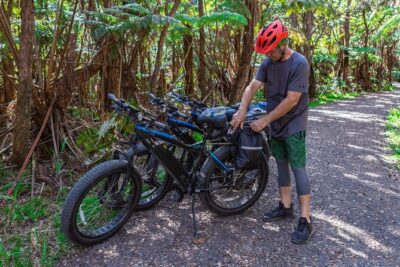
Big Island: Fat Tire E-Bike Tour through Volcanoes National Park
Read our review →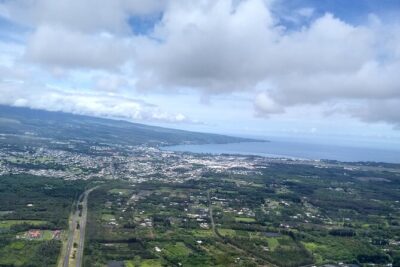
Big Island, Hawaii: Volcanoes National Park Safari
Read our review →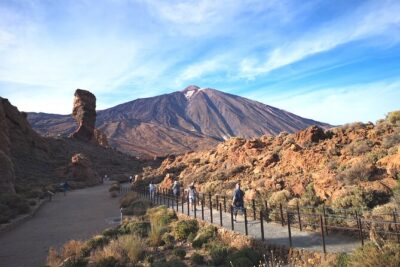
Small Group Teide National Park Volcanic and Forest Wonders
Read our review →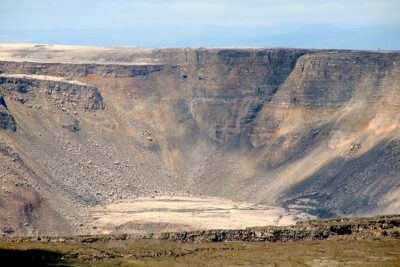
Small-Group Big Island Tour: Hawaii Volcanoes National Park and Kona Coffee Farm
Read our review →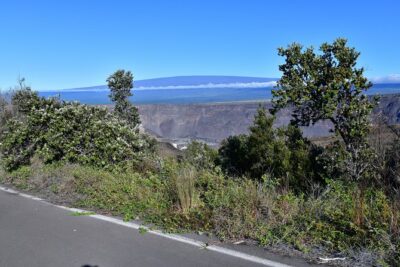
Private Tour: Hawaii Volcanoes National Park Eco Tour
Read our review →