Reviewed · BANFF NATIONAL PARK TOURS
Banff: Winter Wilderness Walk with Wildlife Tracking – 2hrs
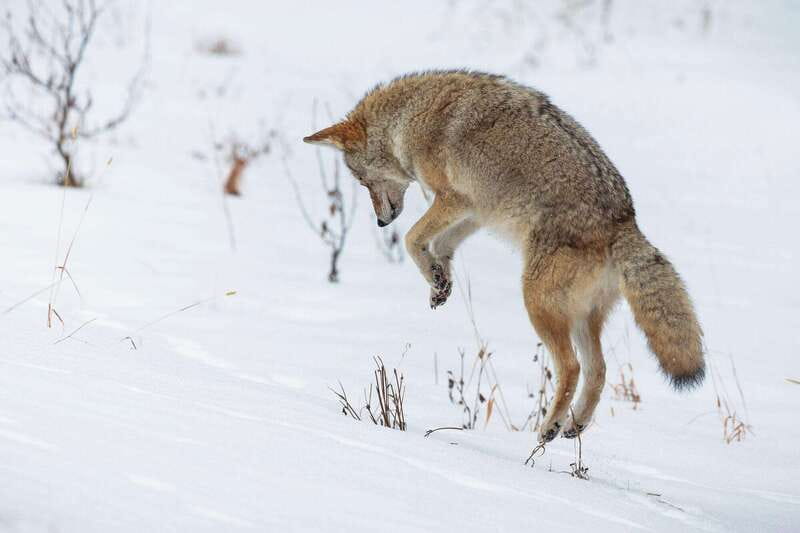
The snow tells the story here. A deer track, a coyote trail, or the faint marks of a snowshoe hare can turn an ordinary winter walk into a lesson in survival. Your guide helps you read those clues, then links them to local stories, wildlife habits, and the changing seasons.
I like the small time commitment and the practical focus. Two hours is long enough to get beyond a quick photo stop, yet short enough to fit neatly into a Banff winter day. I also like the mix of wildlife signs and mountain scenery, with time for photographs rather than a rushed march through the snow.
The main drawback is the physical requirement. This is not a casual stroll for everyone. Children under nine, wheelchair users, people with mobility limits, pregnant women, and people with certain medical conditions or recent surgeries should choose another activity. Wildlife sightings are also never guaranteed, so the tracks may be the main event.
Key points at a glance
- Meet at Cave and Basin: Find your guide outside the Gift Shop in the free parking lot, about 5 to 7 minutes by taxi from downtown Banff.
- Read the snow: Learn to identify tracks and other signs from deer, coyotes, snowshoe hares, and other local animals.
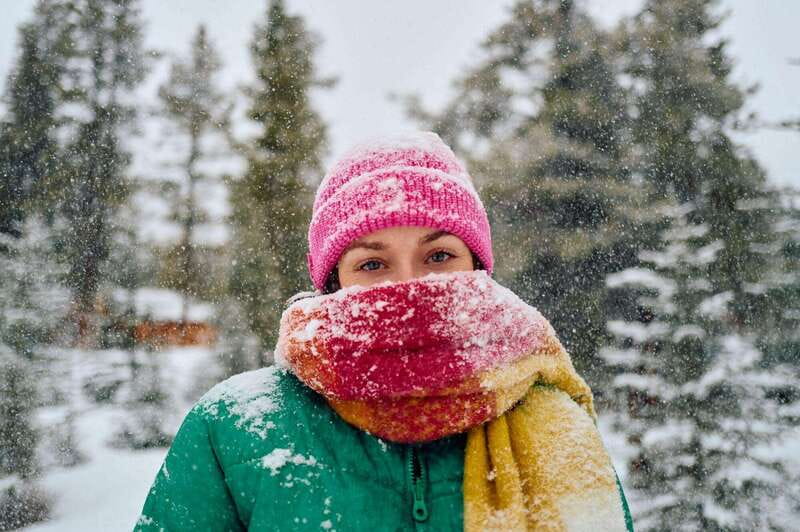
- Expect a real winter walk: Warm layers, gloves, a hat, water, and sturdy footwear are essential.
- Local stories add context: The guide connects wildlife, Indigenous relationships with the land, and early settlement history.
- Bring a camera: Frost, snow-covered trees, and Rocky Mountain views give you plenty to photograph.
- Good value for two hours: At $65 per person, the tour offers a focused outdoor lesson with a professional guide, ice cleats when needed, and hiking poles on request.
Why tracking works so well in Banff winter
Winter can make Banff feel quiet and empty. Look closer, though, and the snow becomes a record of animal life. Tracks cross the trail, disappear beneath trees, and reveal where creatures have moved, searched for food, or changed direction.
That is the appeal of this walk. You are not simply hoping to spot a deer in the distance. You are learning how to notice evidence that is already around you. A guide can point out the difference between a fresh trail and an older one, explain which animals use certain areas, and show how movement patterns relate to winter survival.
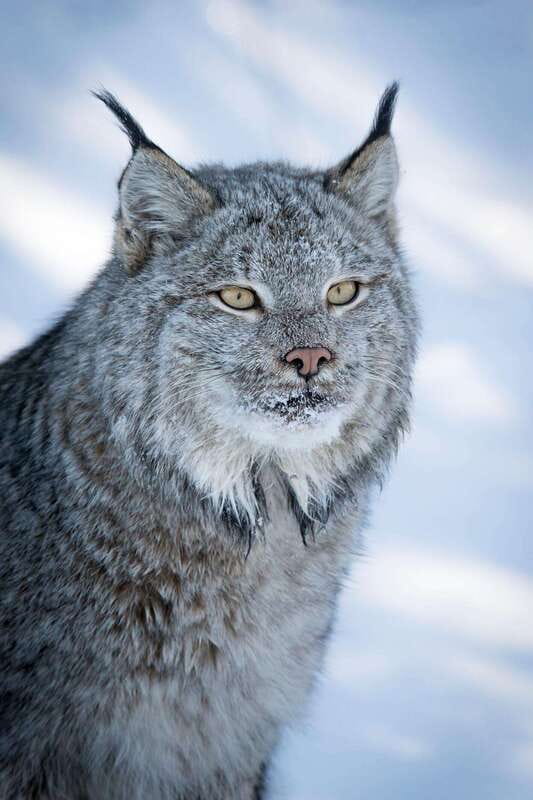
The focus includes deer, coyotes, and snowshoe hares. You might also see birds moving through the trees, and the supplied experience description notes the possibility of foxes, deer, and eagles. Treat these as possibilities, not promises. Wildlife in a national park keeps its own schedule.
I find this kind of outing more rewarding than a standard viewpoint stop because it gives you a way to keep exploring after the two hours are over. Once you know what to look for, every snowy path offers another clue.
More Wildlife and Elephant Encounters in Canada
- Wildlife on the Bow | Big Canoe Tour in Banff National Park
★ 5.0 · 77 reviews - Jasper National Park: Evening or Morning Wildlife Watch Tour
★ 4.6 · 691 reviews - Jasper: Winter Wildlife Bus Tour in Jasper National Park
★ 4.6 · 93 reviews
Starting at Cave and Basin National Historic Site
Your meeting point is outside the Gift Shop in the Cave and Basin parking lot. The lot has free parking, and public transit is available. From downtown Banff, a taxi ride takes about 5 to 7 minutes, so getting there is fairly simple even if you do not have a car.
Arrive at least 10 minutes early. Your guide will have a clipboard and a smile, but the parking area can still take a moment to sort out, especially when you are finding the right meeting spot in winter clothing.
Cave and Basin is a useful starting place because it puts you close to Banff’s protected natural setting without requiring a long transfer. You begin near a well-known national historic site, then move into a quieter outdoor setting for the guided walk.
Transportation to the meeting point is not included. Food and drinks are not included either, so have water with you and eat beforehand if you tend to get hungry during outdoor activities. The tour lasts only two hours, but cold weather can make that feel longer than the clock suggests.
Two hours on snowy trails
The walk takes place in Banff National Park and returns to Cave and Basin. The exact route details are not fixed in the supplied information, so ask the provider if you need to know the precise trail before booking.
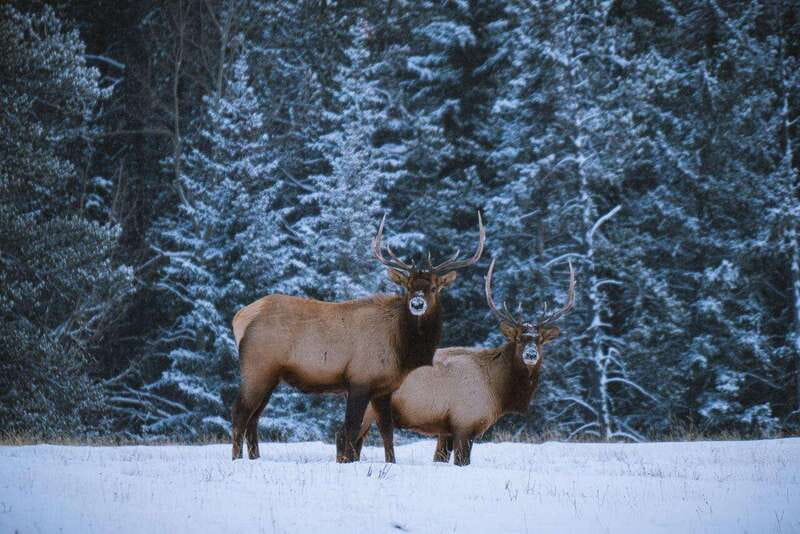
One outing led by Jacob included walking near Johnson Lake, with snowy views, animal tracks, mule deer, and an eagle. That gives you a useful sense of the experience: you may spend much of the time moving through a scenic winter setting, stopping often to examine signs in the snow and listen to explanations.
Do not expect a fast hike. The point is to stop, observe, and ask questions. A short distance can take time when the group pauses to inspect tracks or discuss how an animal handles cold, snow, and limited food.
The walk is guided in English. Guides such as Jacob bring a strong local connection to the experience. He is described as a local guide who shares lesser-known details about the area, and his name is worth noting if you have enjoyed a previous outing with him or want to request him when possible. A specific guide cannot be guaranteed from the information provided.
What you learn from animal tracks
Tracks are only part of the lesson. You may also examine other signs of animal activity, such as trails, movement patterns, and clues about feeding or shelter. The guide explains how local animals adapt to winter, when temperatures drop and snow changes the way they move.
Deer tracks can lead you to think about where animals travel and how they conserve energy. Coyote trails can raise questions about hunting, territory, and movement through the forest. Snowshoe hare tracks show how even smaller animals leave readable patterns in the snow.
The value is in learning a method, not memorizing a list of footprints. Your guide can help you compare size, spacing, direction, and the surrounding setting. With practice, you begin to see the snow as more than a pretty surface.
If you have never tracked wildlife before, the experience may feel like a revelation. The tour is not designed as a technical course, though. The supplied information lists people without experience among those for whom the activity is not suitable, which suggests that a basic level of outdoor confidence is expected. That wording is worth clarifying with the provider if you are new to winter walking.
More Banff and Jasper National Park Tours in Banff:
- Banff National Park Tour with Lake Louise and Moraine Lake
★ 4.5 · 692 reviews - Banff National Park: 1-Hour Bow River Horseback Ride
★ 4.6 · 518 reviews - Banff National Park: 1-Hour Spray River Horseback Ride
★ 4.7 · 315 reviews - Banff National Park Big Canoe Tour
★ 5.0 · 303 reviews
Mountain scenery and time for photographs
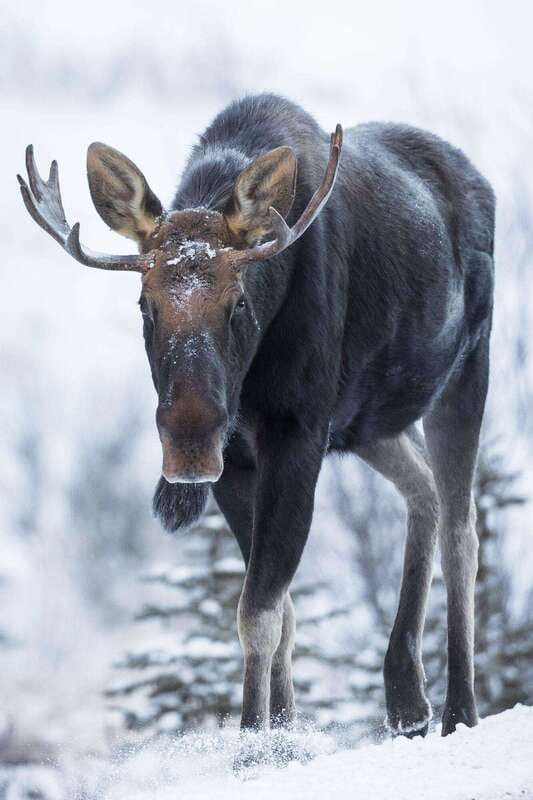
The setting does much of the visual work. Snow-covered trees, frost, and Rocky Mountain views create strong photo opportunities, especially when the light catches the snow or animal tracks lead into the forest.
Your guide can offer tips for getting better shots. That is helpful because winter photography has its own small problems: bright snow can fool a camera into making the scene look gray, and gloves can make camera controls awkward. Keep your camera or phone accessible, but protect it from moisture and cold as much as possible.
The best photographs may not be wildlife portraits. A line of tracks, a mule deer in the snow, or an eagle against the trees can be memorable, but a close sighting is never assured. Plan to photograph the whole winter setting as well as individual animals.
One participant on a walk with Jacob described the views near Johnson Lake as suitable for Christmas-card pictures. That is a fair expectation for the scenery, though the route for your booking may differ. If photography matters most to you, ask whether the walk will include the same area.
Stories that connect people and place
The walk is not only about animal biology. Your guide also shares local stories and folklore, including how Indigenous peoples and early settlers interacted with the land and its wildlife.
This part matters because Banff can otherwise become a string of scenic stops with little context. Stories give the forest a human dimension without taking attention away from the animals. You learn how people understood, used, and moved through this region, and how that relationship differs from simply looking at it as holiday scenery.
The quality of this section depends heavily on the guide. Jacob received especially strong praise for his local knowledge and easy manner, and another booking described the guide as very nice. Those details suggest that the personal side of the walk can be as important as the track-identification lesson.
Still, do not book this expecting a full Indigenous history tour or a long cultural lecture. The activity is a winter wildlife walk first. The stories are woven into the outdoor experience.
Ice cleats, poles, and winter clothing
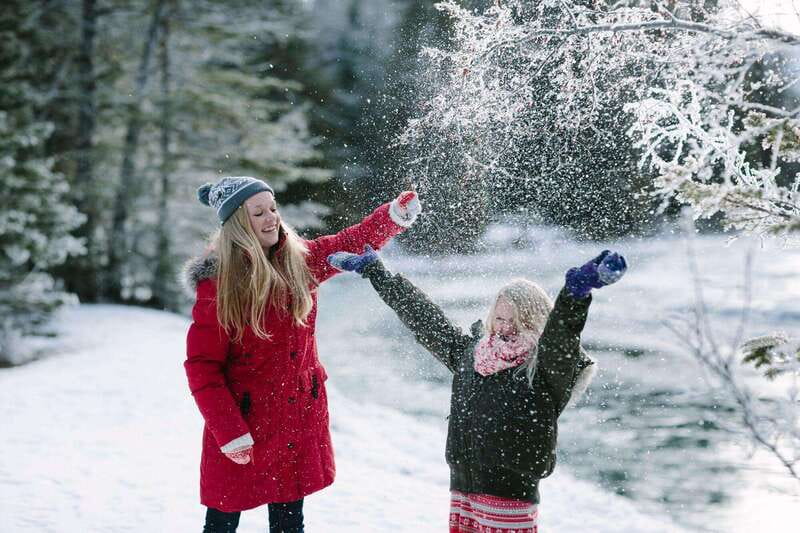
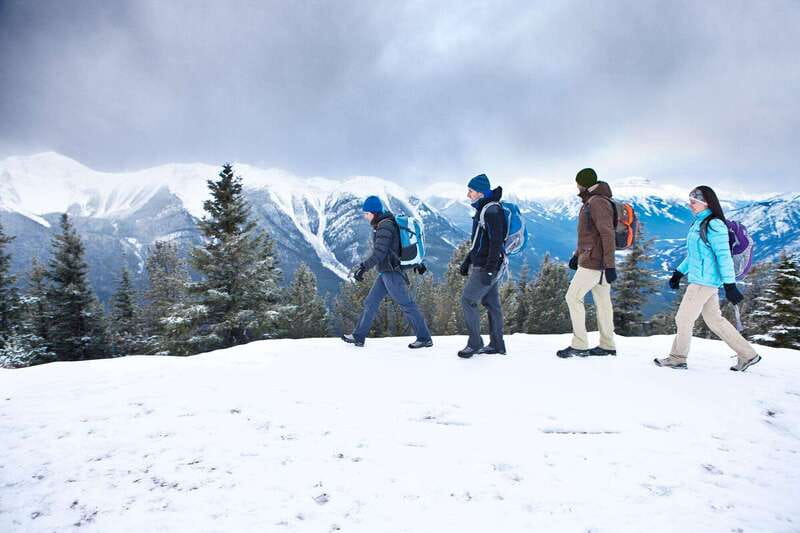
Ice cleats are included when needed, and hiking poles are available on request. That is a useful practical touch, but you should still arrive prepared. Wear warm layers, gloves, a hat, comfortable shoes, and weather-appropriate clothing. Sturdy outdoor footwear is recommended.
Layers matter more than one very thick coat. You may warm up while walking and cool down quickly when the group stops to study tracks. A base layer, insulating layer, and weather-resistant outer layer give you more control.
Ask for hiking poles before setting off if you think you will use them. They can help on uneven or slippery ground, but the activity is still a walking tour rather than an easy paved-path excursion.
The tour is not suitable for wheelchair users or people with mobility impairments. It is also not suitable for pregnant women, people with pre-existing medical conditions, or people recovering from recent surgery. If any of those points may apply to you, check with the provider before reserving.
Is $65 a fair price?
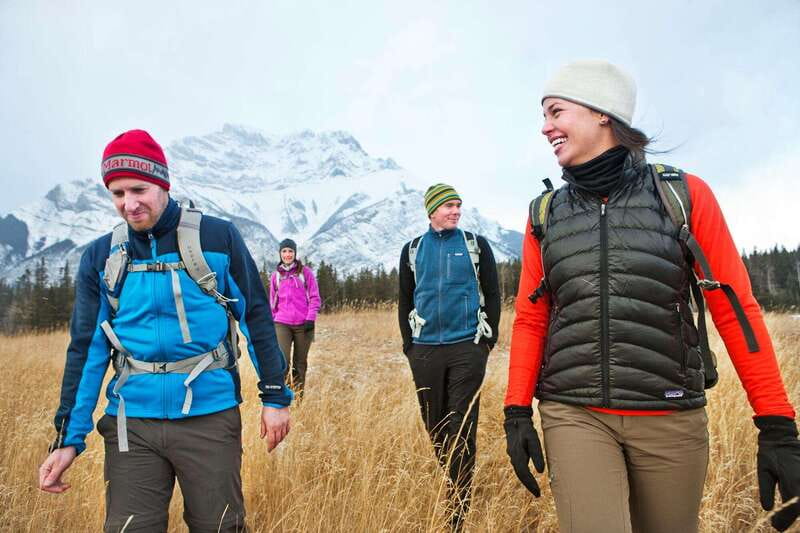
At $65 per person, this is a reasonable price for a two-hour guided outdoor experience in Banff. You are paying for a professional guide, wildlife tracking instruction, local stories, photo help, and ice cleats when conditions call for them.
The value is strongest if you want to understand what you are seeing. A free walk through snowy woods can give you scenery, but it will not necessarily teach you to distinguish animal signs or explain winter adaptations. The guide adds the interpretation that turns a walk into an activity.
The value is weaker if you want a guaranteed wildlife encounter, a long hike, or a full-day excursion. Two hours is a compact introduction. You might see deer, birds, an eagle, or other wildlife, but you might spend the whole outing studying tracks instead.
The tour also has a useful flexibility feature: you can reserve now and pay later, and cancellation is free up to 24 hours before the start for a full refund. That helps if your Banff plans depend on weather, though it does not remove the need to dress for winter conditions.
Who should book this walk?
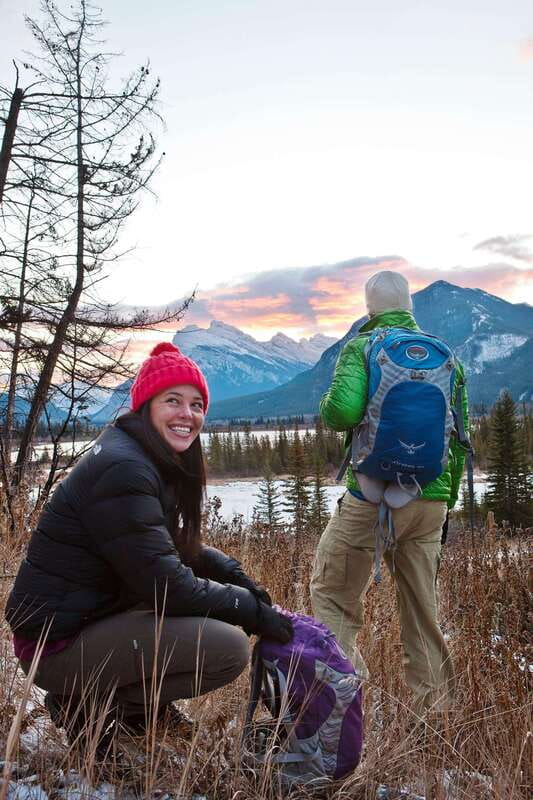
I would recommend it to nature enthusiasts who want more than a photo of snowy mountains. It also suits families with children aged nine and older, provided everyone is comfortable walking outdoors in winter.
It is a good choice for photographers because the guide can help with pictures and the setting offers strong winter scenery. It also works for visitors who have only a short window in Banff and want a focused activity rather than a full-day commitment.
The best match is someone who enjoys slowing down. If you want to cover a lot of distance, this may feel too gentle. If you want to learn why a track matters and how an animal survives the cold, the pace should suit you well.
English is the only listed tour language, so you should be comfortable following explanations in English. Group size is not provided, so ask if that affects your decision.
Should you book it?
Book this walk if you want a practical introduction to Banff’s winter wildlife and enjoy the idea of reading the snow instead of simply walking past it. The combination of tracking, scenery, photography, and local storytelling gives the two hours a clear purpose.
I would skip it if you need accessible terrain, dislike cold-weather walking, or want guaranteed close-up animal sightings. For everyone else, $65 is a fair price for a short, guided outing that can change how you see every snowy trail afterward.
FAQ
Where does the winter wildlife walk meet?
Meet your guide outside the Gift Shop in the Cave and Basin parking lot. The guide will have a clipboard.
Is parking available?
Yes. Free parking is available at the Cave and Basin meeting point.
How far is the meeting point from downtown Banff?
The meeting point is about a 5 to 7 minute taxi ride from downtown. Public transit is also available.
How long does the activity last?
The guided walk lasts two hours and returns to Cave and Basin National Historic Site.
What wildlife tracks might I learn to identify?
The walk can cover tracks and signs from deer, coyotes, and snowshoe hares. You might also see other wildlife, including birds, foxes, mule deer, or an eagle, but sightings are not guaranteed.
Is equipment provided?
Ice cleats are provided when needed. Hiking poles are available upon request.
What should I bring?
Bring comfortable shoes, sturdy outdoor footwear, warm layered clothing, a hat, gloves, water, and a camera. Dress for the weather.
Can children and people with mobility limitations join?
Children must be at least nine years old. The activity is not suitable for wheelchair users, people with mobility impairments, pregnant women, people with certain pre-existing medical conditions, or people with recent surgeries.
More Winter Trips in Banff
- From Tromsø: Ice Domes Snow Park and Wilderness Experience
★ 4.6 · 1,255 reviews - Rocky Mountain National Park and Estes Park Tour from Denver Winter and Spring
★ 5.0 · 511 reviews - Levi: Winter Wilderness Husky & Reindeer Safari Combo Tour
★ 4.4 · 156 reviews - From Denver: Rocky Mountain National Park Winter/Spring Tour
★ 4.9 · 148 reviews
More Wildlife and Elephant Encounters in Banff
- Miami: Everglades National Park Airboat Tour & Wildlife Show
★ 4.5 · 7,296 reviews - Wilderness, Wildlife, Glacier Experience from Anchorage
★ 5.0 · 3,004 reviews - Kenai Fjords National Park Glacier & Wildlife Cruise
★ 5.0 · 1,756 reviews - Kenai Fjords National Park Glacier & Wildlife Tour from Seward
★ 4.5 · 1,036 reviews
Newest park tours we have reviewed in Banff
- Wildlife on the Bow | Big Canoe Tour in Banff National Park★ 5.0 · 77 reviews
- Intro to Stand Up Paddleboarding, Banff National Park★ 5.0 · 35 reviews
- Moraine and Lake Louise with Yoho National Park Private Tour★ 5.0 · 7 reviews
- Banff National Park to Calgary Private Transportation★ 5.0 · 2 reviews
- Banff National Park- Double Kayak Experience★ 5.0 · 17 reviews
- Banff National Park Big Canoe Tour★ 5.0 · 52 reviews
- Calgary/Canmore/Banff: Enchanting Banff National Park Day Tour★ 4.5 · 3 reviews
- Lake Louise, Banff Gondola, & Yoho National Park 2 Day Tour★ 4.6 · 13 reviews
Banff National Park Tours, compared.
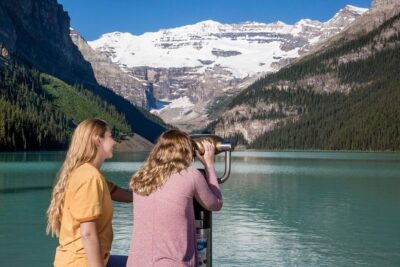
Banff National Park Tour with Lake Louise and Moraine Lake
Read our review →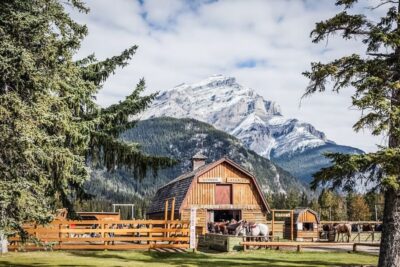
Banff National Park: 1-Hour Bow River Horseback Ride
Read our review →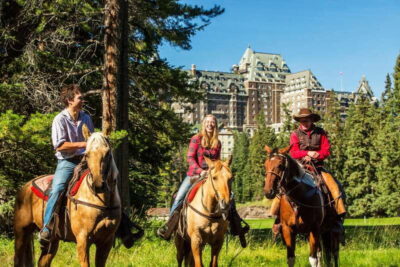
Banff National Park: 1-Hour Spray River Horseback Ride
Read our review →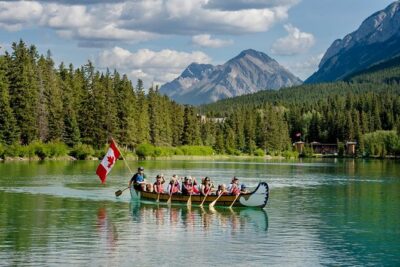
Banff National Park: Big Canoe River Explorer Tour
Read our review →