
Reviewed · SRI LANKA NATIONAL PARK TOURS
Arugam Bay: Kumana National Park Safari
Kumana National Park is a strong choice if you want Sri Lankan wildlife without giving up a full morning or an entire day. The safari moves through wetlands, lagoons, mangroves, and forest, with birdwatching at its heart and larger animals as a welcome bonus.
I like the hotel pickup from Arugam Bay and the practical setup: a maintained jeep, an English-speaking guide, safety instructions, and a GPS tracker. The main caution is that the $51 price does not include the park entry ticket, food, or drinks, and wildlife sightings can never be promised.
Key points
- Birdwatching is the main event: Look for painted storks, herons, egrets, ibis, pelicans, and possible flamingos among more than 200 bird species.
- Six hours gives you useful time: The outing is long enough to explore several types of habitat without taking over your whole day.
- Big-animal sightings are possible: Leopards, elephants, sloth bears, deer, wild boars, water buffalo, crocodiles, and monitor lizards may appear.
- Pickup keeps the morning simple: Transport is provided from the Arugam Bay area, with hotel drop-off afterward.
- The jeep is suited to rough park roads: You explore from a safari vehicle rather than walking through animal territory.
- Plan for extra costs: Park admission, meals, drinks, and personal purchases are not included.
Why Kumana works well from Arugam Bay
Kumana National Park gives you a different side of Sri Lanka from the surf breaks and cafés of Arugam Bay. The park is known for water-rich habitats, including mangroves, lagoons, wetlands, and forest. That mix helps explain why birdwatching is such a major part of the outing.
You can look for more than 200 bird species during the six-hour drive. Painted storks, herons, egrets, ibis, and pelicans are specifically part of the expected range, while migratory birds add seasonal interest. Flamingos are also listed as a possible sighting, though you should treat them as a lucky bonus rather than a guarantee.
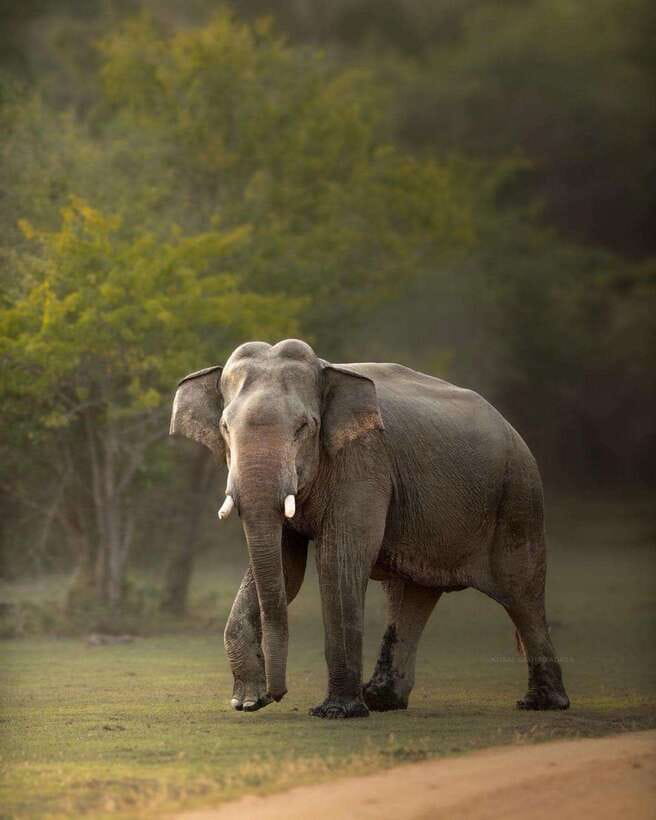
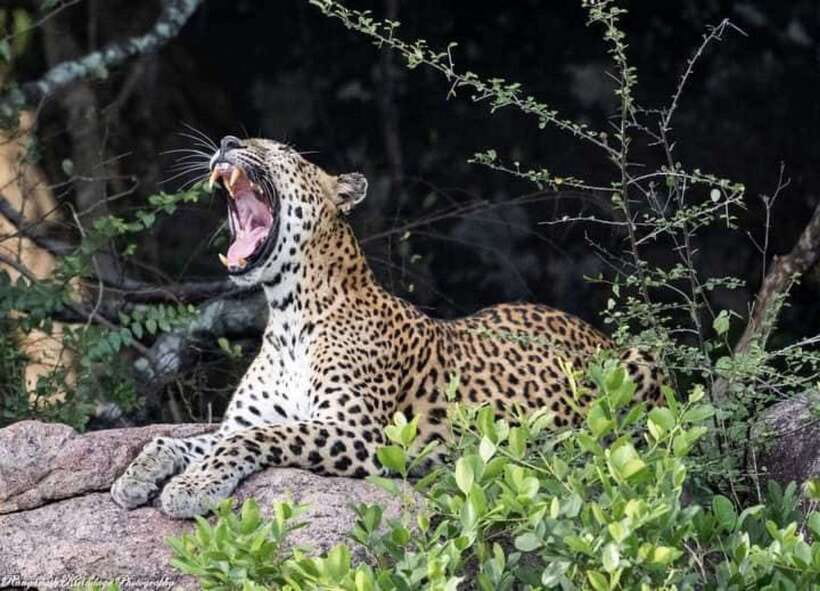
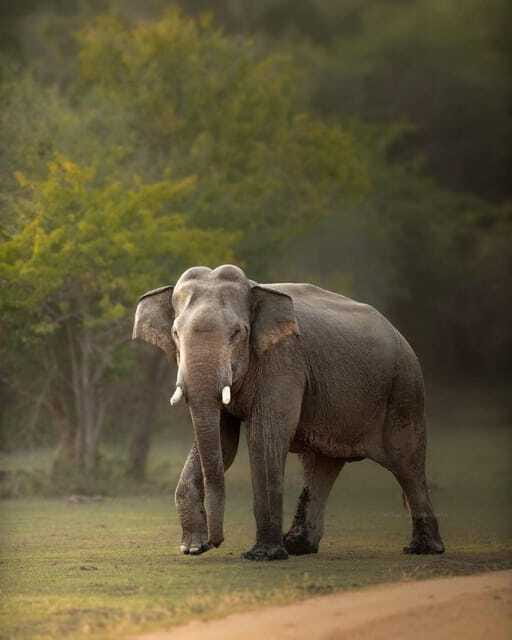
The setting also gives you a chance at larger animals. Depending on the day and the animals’ movements, you might see elephants, leopards, sloth bears, deer, wild boars, water buffalo, crocodiles, or monitor lizards. Monkeys are another realistic possibility, and one recent outing included close views of monkeys along with elephants, pelicans, and water buffalo.
I would choose this safari if you want a broad look at Sri Lankan wildlife rather than a trip focused only on one animal. You may not see every species on the list, but the range of habitats gives the drive more variety than a simple point-to-point wildlife search.
More National Park Safaris in Sri Lanka
- Yala National Park Safari Tours: Morning/Evening/Full Day
★ 4.8 · 818 reviews - Udawalawe National Park: Elephant Safari with Expert Guide
★ 4.9 · 641 reviews - Full day Safari – Yala National Park – 04.30 am to 06.00 pm with – Janaka safari
★ 5.0 · 603 reviews
The early pickup and six-hour schedule
The tour includes pickup and drop-off from the Arugam Bay area. One confirmed outing began with a 6am hotel pickup, which is useful information for planning your day. The exact starting time needs to be checked when you book, but an early departure is a sensible expectation for a safari.
A morning start helps you avoid wasting time arranging a taxi or finding the park on your own. It also leaves room later for Arugam Bay activities, rest, or a meal. The tradeoff is obvious: you need to be ready early, and this is not a lazy late-morning excursion.
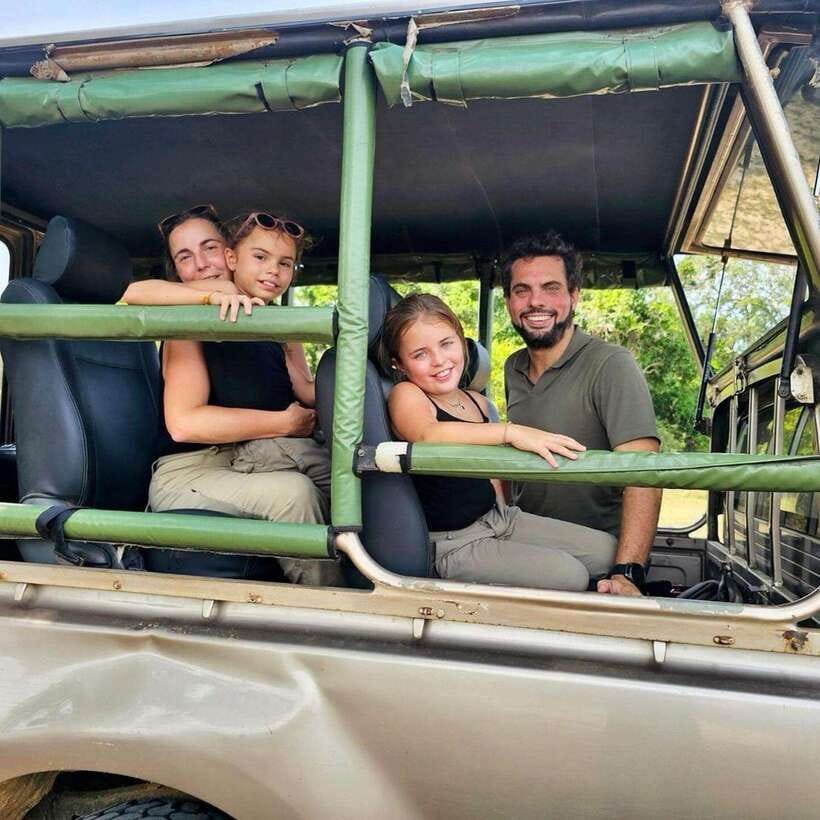
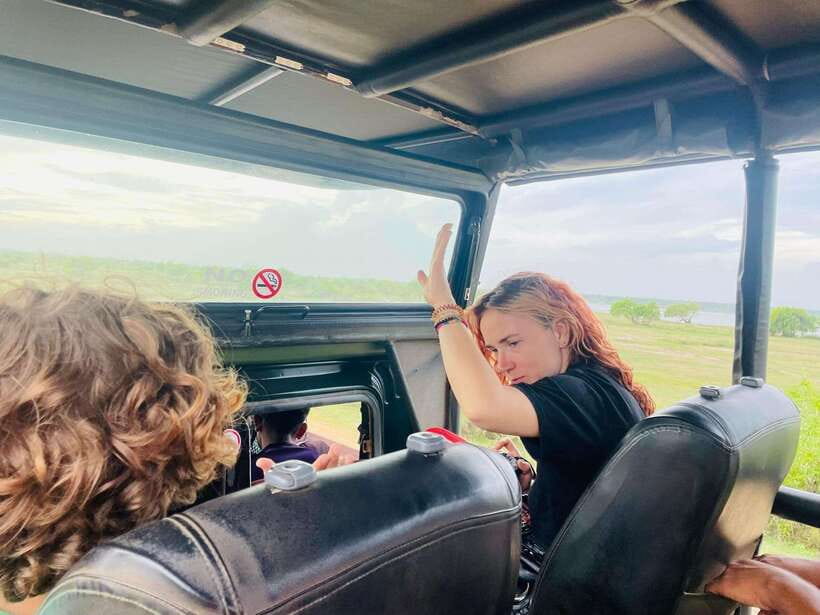
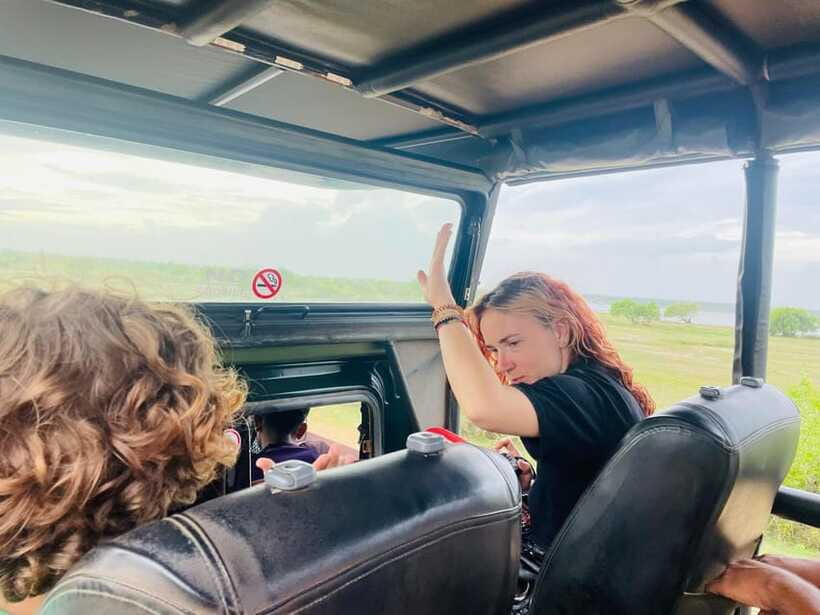
Once collected, you ride in a safari jeep toward Kumana National Park. The vehicle is described as comfortable and well maintained, which matters when you are spending six hours on park roads. You will want practical clothing, sturdy shoes, water, a hat, and sun protection rather than beachwear.
The full duration is six hours. That includes the safari outing and transport connected with the activity, though the exact balance between driving and time inside the park is not specified. I would allow extra time around the stated duration so you do not schedule a tight afternoon appointment.
Entering Kumana’s wetlands and lagoons
The first major pleasure is simply seeing the park change from ordinary road travel into a quieter natural setting. Kumana’s wetlands, lagoons, and mangroves offer open water, muddy edges, reeds, and tree cover. Each habitat gives you a different chance to spot animals.
Wetland areas are especially useful for birdwatching. Painted storks, herons, egrets, ibis, and pelicans are drawn to water and shallow feeding areas. Bring binoculars if you have them. They let you study distant birds without asking the driver to move the jeep too close.
The park also includes forest, so the scenery is not all open water. Forest sections may offer chances to see monkeys, deer, wild boars, elephants, or a leopard. You should keep your eyes moving and listen to the guide, since an animal may be visible for only a short time.
The guide’s role is important here. The safari includes an experienced English-speaking guide who leads you through the park, gives safety instructions, and helps identify wildlife. A recent Spanish visitor specifically praised the guides for being friendly and persistent in searching for elephants in the wild. That suggests a hands-on approach, although patience and luck still control what you actually see.
Birdwatching first, big mammals second
Kumana is a good fit if birds interest you. The bird list is long, but you should not expect a parade of rare species at every turn. Birdwatching involves scanning the edges of lagoons, trees, mudflats, and open water, then waiting for the guide to point out movement or color.
Painted storks can be memorable because of their size and striking pattern. Pelicans are also easy to appreciate from a distance, while herons, egrets, and ibis reward slower observation. Migratory birds add another reason to carry a camera and binoculars, though the timing and exact species will vary.
Flamingos are included among the possible sightings. That is an appealing prospect, but I would not book the safari solely for flamingos. Think of them as one of many possible bird encounters, not the central promise.
The larger animals add excitement between bird sightings. Elephants and water buffalo may be easier to notice because of their size, while a leopard or sloth bear is much less predictable. Crocodiles and monitor lizards may appear around wet areas, and deer or wild boars can show themselves along the edges of forest.
One recent outing included elephants, monkeys, pelicans, and water buffalo, with the guide bringing the jeep close enough for strong views. That is encouraging, but it also shows why you should keep expectations sensible. A good safari is not measured only by a leopard sighting. The habitat, the birdlife, and the guide’s skill at finding animals all matter.
Same region, a different park day:
- Yala National Park: Half, 7-Hour, or Full-Day Safari & Meals
★ 4.8 · 489 reviews - From Sigiriya: Minneriya National Park Private Jeep Safari
★ 4.9 · 415 reviews - From Sigiriya: Minneriya National Park Elephant Safari
★ 4.8 · 365 reviews - Yala National Park Wildlife Safari/ Game Drive – by Ajith Safari
★ 4.5 · 351 reviews
What the jeep adds to the experience
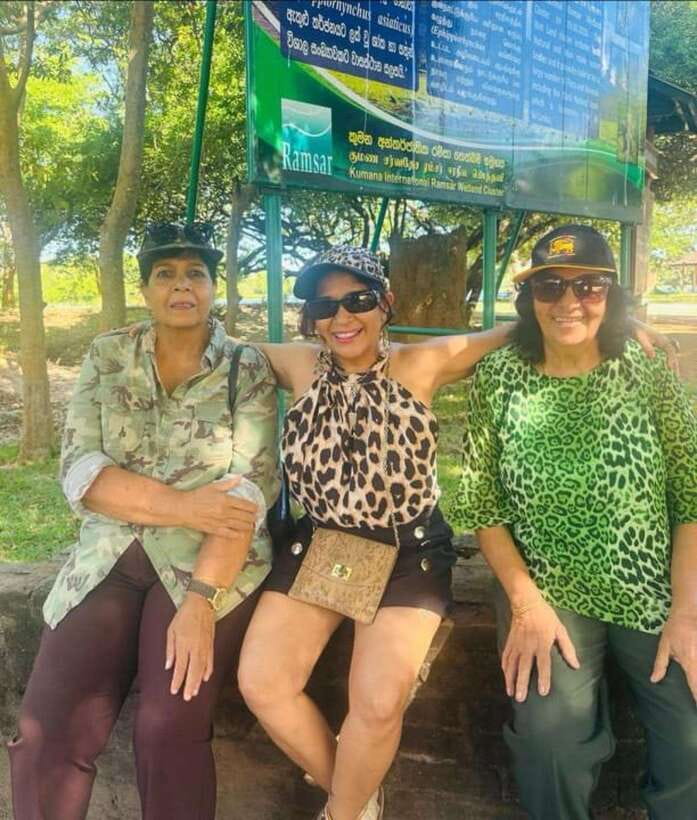
The safari jeep lets you cover more ground than you could on foot and provides a safer way to observe animals. You can stay seated while the guide manages the route and points out wildlife. The included GPS tracker adds a practical safety feature, especially in a large natural area where phone service and road signs may not be reliable.
The jeep is described as comfortable and well maintained. That does not mean you should expect a luxury vehicle. Six hours in a safari jeep can still be tiring, particularly if the road is uneven or the sun is strong. Wear clothing that protects your skin and shoes that will not bother you after a long morning.
Do not smoke, feed animals, touch plants, or leave litter behind. These rules are not decorative. Feeding wildlife can alter animal behavior, while litter and careless contact damage the place you came to see. Follow the guide’s directions when the vehicle stops or changes position.
A camera is worth bringing, but protect your expectations as well as your equipment. Animals may be distant, partly hidden, or moving quickly. Binoculars can be more useful than a long list of camera accessories, since they help you enjoy birds even when a photograph would be difficult.
The guide, safety, and how to prepare
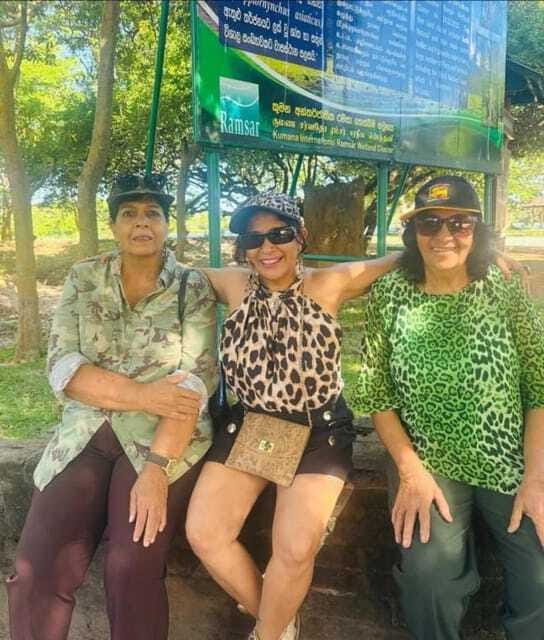
The activity includes an English-speaking live guide, safety instructions, and GPS tracking. The guide helps with more than animal identification. You will also rely on the guide to keep the vehicle at a respectful distance, explain park rules, and choose where to pause.
The contact information provided for the pickup is Delon at 0094774323187. Since pickup is listed for the Arugam Bay area rather than one single named hotel, contact the provider in advance with your accommodation details. This is especially sensible if your hotel sits outside the central area.
Wear comfortable clothes and shoes suitable for a safari. Add a sun hat, sunscreen, insect repellent, and water. The park includes wet areas and forest, so insects are a practical concern. Bring a camera and binoculars if birdwatching matters to you.
The tour is not suitable for children under five, pregnant women, people with back problems, or wheelchair users. The jeep format and rough park conditions are the likely reasons, though the exact vehicle setup is not detailed. If you have a back condition or mobility concern, ask the provider before booking rather than relying on the word comfortable.
Is $51 a fair price?
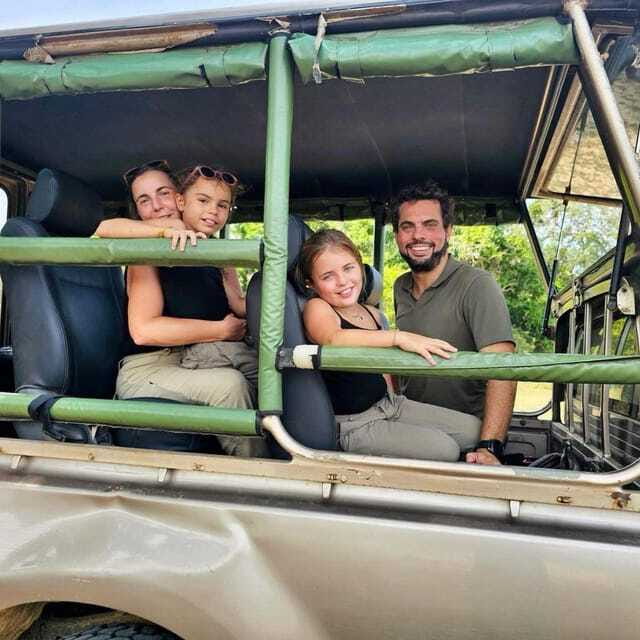
At $51 per person, the safari offers a useful package for a six-hour outing: pickup and drop-off from Arugam Bay, a safari jeep, an English-speaking guide, safety guidance, and a GPS tracker. You are paying for transport, park access by vehicle, and the guide’s effort to locate wildlife.
The important catch is that the park entry ticket is not included. Meals and drinks are also extra, as are personal expenses. Because the entry fee is not stated here, you should ask for the total expected cost before booking. Bring water and a snack if allowed by the provider, but do not eat or dispose of anything in a way that could attract animals.
The price makes the most sense if you value convenience. Arranging transport, finding a suitable jeep, and hiring a guide separately may take time and could produce an uneven experience. Here, the basic pieces are arranged together and hotel pickup removes a common travel headache.
Still, value depends on your priorities. If you want a guaranteed leopard sighting, no safari can honestly offer that. If you enjoy birds, changing scenery, and the chance of seeing several types of wildlife, the six-hour format gives you a fair amount of time for the money.
Who should book this Kumana safari?
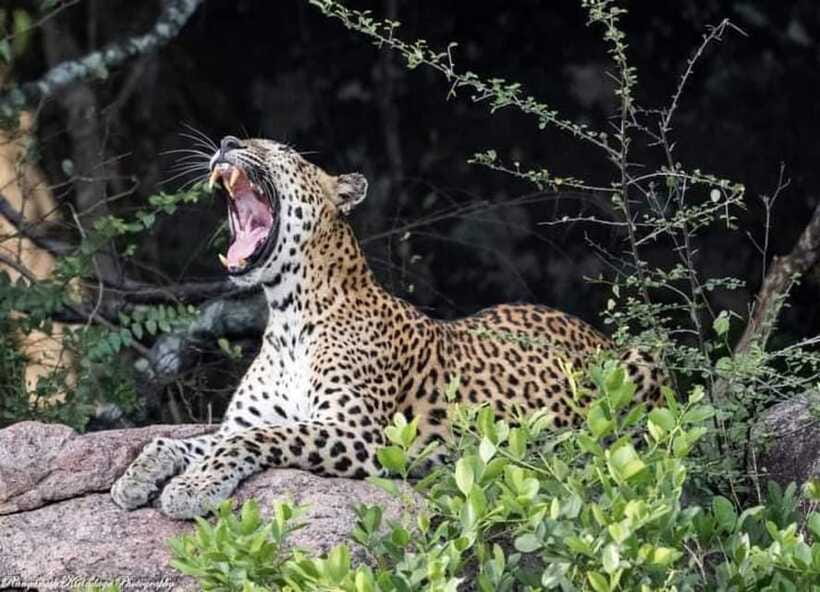
I would recommend it to visitors staying in Arugam Bay who want a practical wildlife morning without planning an overnight park trip. It suits birdwatchers, photographers, couples, and small groups who are happy to spend several hours looking carefully rather than rushing from one animal to the next.
It is also a good option for anyone who wants elephants in the wild but understands that nature does not work on a schedule. The guides are described as friendly and experienced, and the effort to find free-ranging elephants was especially praised in the Spanish-language feedback.
This may not suit you if you dislike early starts, bumpy vehicle travel, hot weather, or uncertain results. It is also not suitable for children under five, pregnant women, people with back problems, or wheelchair users.
Free cancellation up to 24 hours before the activity and reserve-now, pay-later booking make it easier to keep plans flexible. Even so, check the pickup time, park entry cost, and any food arrangements before you commit.
Should you book it?
Book this safari if you want a convenient six-hour introduction to Kumana’s birds, wetlands, forests, and larger animals from an Arugam Bay base. The strongest reasons are the included hotel transport, comfortable jeep, English-speaking guide, and good chance of seeing varied birdlife and possibly elephants.
Go in with realistic expectations. Leopards, sloth bears, and flamingos are possible, not promised, and the park ticket is extra. Bring water, insect repellent, binoculars, and patience. For a wildlife outing that combines practical logistics with a wide range of possible sightings, this is a sensible choice.
FAQ
How long is the Kumana National Park safari?
The activity lasts six hours. Starting times should be checked when you book.
Is hotel pickup included?
Yes. Pickup and drop-off are included from the Arugam Bay area. You should contact the provider with your accommodation details.
What animals might I see?
Possible sightings include leopards, elephants, sloth bears, deer, wild boars, water buffalo, crocodiles, monitor lizards, and monkeys.
What birds might I see?
You might see painted storks, herons, egrets, ibis, pelicans, and flamingos. The park has more than 200 bird species, including migratory birds.
Is the park entry ticket included?
No. The entry ticket is not included in the activity price.
Are meals and drinks included?
No. Meals, drinks, and personal expenses are not included.
What language does the guide speak?
The live tour guide speaks English.
What should I bring?
Bring comfortable shoes, suitable safari clothing, a sun hat, water, a camera, insect repellent, and binoculars. Follow the guide’s instructions and the park rules.
Newest park tours we have reviewed in Sri Lanka
- Udawalawe National Park Private Safari★ 3.5 · 3 reviews
- Yala National Park Full-Day Jeep Safari with Lunch★ 5.0 · 8 reviews
- Safari Tour Yala National Park – 2 nights 3 days★ 5.0 · 3 reviews
- Day Excursion to Yala National Park From Colombo★ 4.5 · 3 reviews
- Privet One Day Udawalawe National Park Elephant Safari★ 5.0 · 15 reviews
- Private Minneriya National Park Jeep Safari And Sigiriya Tour★ 5.0 · 2 reviews
- Yala National Park Private Jeep Safari From Colombo & Negombo★ 4.5 · 14 reviews
- All Inclusive Udawalawe National Park Safari Day Tour from Colombo and Negombo★ 5.0 · 11 reviews
Sri Lanka National Park Tours, compared.
Yala National Park Safari Tours: Morning/Evening/Full Day
Read our review →
Udawalawe National Park: Elephant Safari with Expert Guide
Read our review →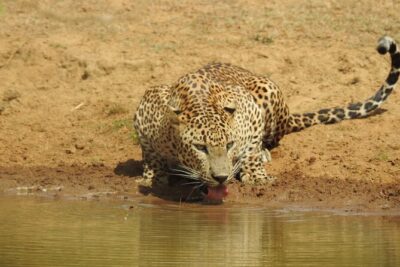
Full day Safari – Yala National Park – 04.30 am to 06.00 pm with – Janaka safari
Read our review →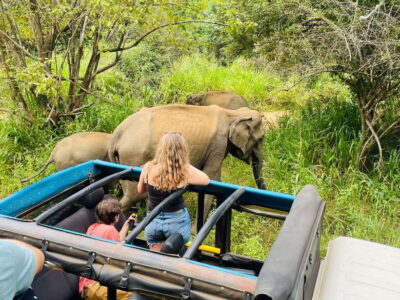
From Sigiriya: Minneriya National Park Private Jeep Safari
Read our review →
From Sigiriya: Minneriya National Park Elephant Safari
Read our review →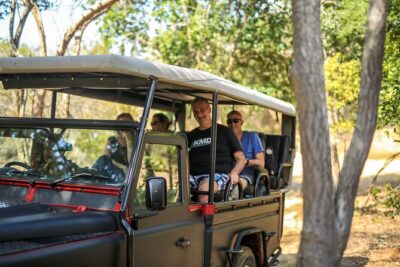
Yala National Park Wildlife Safari/ Game Drive – by Ajith Safari
Read our review →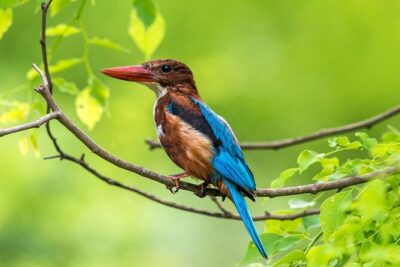
Private Jeep Safari at Minneriya National Park to Visit Elephants
Read our review →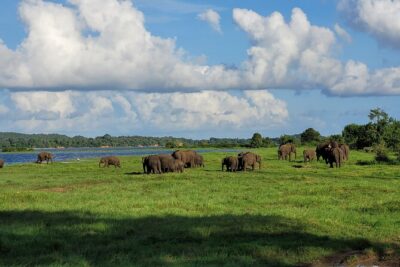
Lists this park day appears in