
Reviewed · NAIROBI NATIONAL PARK TOURS
6hrs of Birdwatching in Nairobi National park
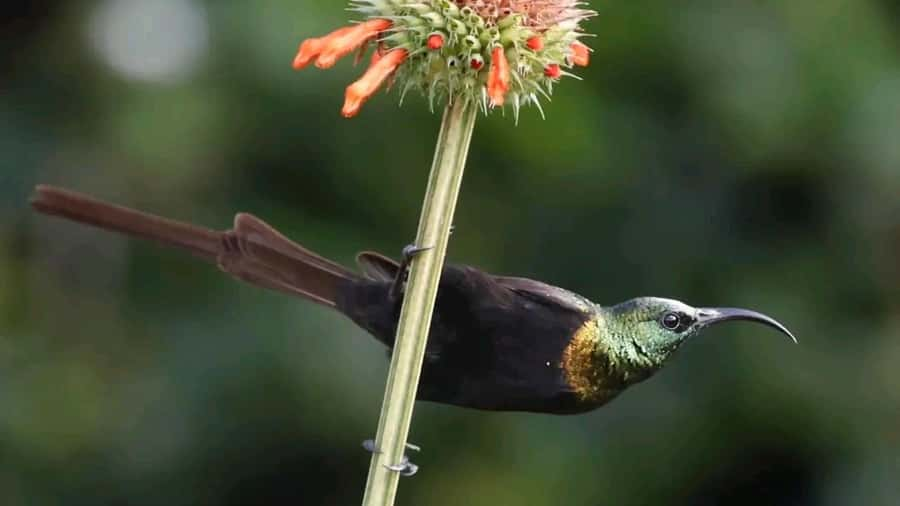
Nairobi National Park is not only a place for lions and rhinos. Its 520-plus recorded bird species make it a fine first stop for anyone learning to identify African birds, and this private outing gives you time to look beyond the usual safari animals. You move through dry forest, wetlands, and open grassland, with your guide listening for calls and scanning the trees and water.
I like two things right away: the full six hours devoted to birding, and the bird list sent to you afterward. You are not left trying to remember every little brown bird from a busy game drive. I also like the private format, which lets you set the pace for your own group of up to seven.
The main consideration is cost. The $450 group price is reasonable for a private van, driver, guide, pickup, drop-off, and water, but park entry is extra, and the total rises if you choose a Landcruiser or add lunch and snacks.
Key points to know before booking
- Three bird habitats in one morning: Search dry forest, dams and wetlands, then open grassland for a broad mix of species.
- Sharp spotters make a difference: Benson, Diana, and Saidi are named guides associated with this outing, with strong praise for finding small birds and identifying calls.
- A proper species record follows: Your guide sends the day’s bird list by email after the session.
- Private pricing favors small groups: The $450 rate covers up to seven people, not each person separately.
- The standard vehicle is an open-roof safari van: A Landcruiser is available for an extra $80.
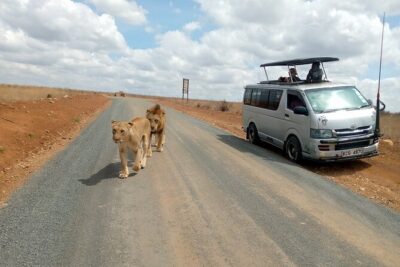
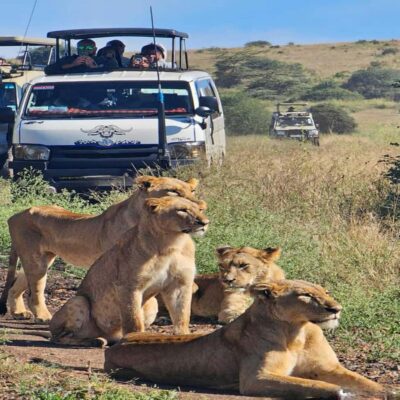
- This is birding with a side of safari: Lions, rhinos, giraffes, zebras, antelopes, buffalo, and even a cheetah have appeared during past outings.
Why Nairobi National Park works so well for birding
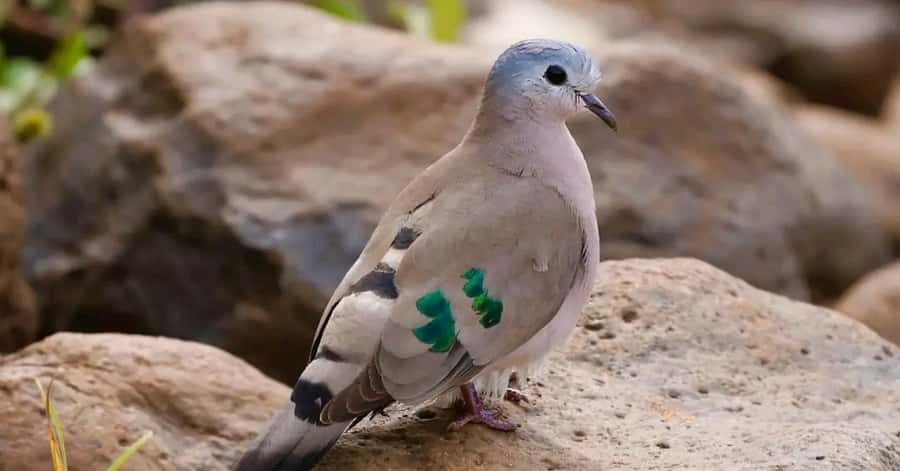
The park is unusually practical for a bird-focused day because several habitats fit inside one compact outing. You are not stuck beside one waterhole hoping something flies past. Instead, the route moves through dry forest, wet areas, and grassland, each with its own likely bird families.
That variety matters most if you are still building your bird list. Forest birds can be hard to see but rewarding to hear. Wetlands offer a different pace, with birds often easier to spot against open water or mud. Grassland brings larger, more visible species, along with small birds using shrubs and low vegetation.
The stated total of more than 520 bird species does not mean you will see anything close to all of them in six hours. Weather, season, water levels, light, and luck all matter. Still, it gives you a sense of the park’s range and explains why a guide who knows bird calls and feeding areas is more useful than a standard wildlife driver who mainly watches for large mammals.
You should also expect the outing to feel different from a Big Five safari. The reward is often a quick flash of color, a faint call, or a bird perched far from the road. That takes patience. If you enjoy stopping often and asking what you are seeing, this format is a good match.
More National Park Tours in Nairobi:
- Nairobi National Park Half-Day Tour; Free Wi-Fi connection
★ 5.0 · 878 reviews - Nairobi: National Park & Optional Elephants & Giraffe Center
★ 4.8 · 874 reviews - Nairobi National Park Half-Day Game Drive
★ 4.5 · 738 reviews
An early start from Nairobi
The day begins with pickup from your residence or hotel in Nairobi. The exact start time depends on availability, so check before booking, but the plan is clearly built around an early morning departure.
That early timing is useful for two reasons. Birds are often more active early in the day, and cooler conditions make six hours in the park easier. You also avoid spending the first part of the outing driving around while the best bird activity passes.
Transport from Nairobi is listed as about one hour in a private safari van. The standard vehicle has an open roof, which gives you a better upward view into trees and a cleaner angle for distant birds. It also helps when several people need to look at the same bird from different seats.
The trade-off is exposure to sun, wind, and dust. Bring a hat, sunscreen, and clothing that works for a long morning outdoors. The operator provides drinking water, but lunch and snacks are not included, so plan those separately.
The private arrangement is valuable here. With up to seven people in your group, you do not need to share the guide’s attention with strangers. A keen birder can ask for longer stops, while a mixed group can balance birds with larger wildlife. At the $450 group rate, seven people would bring the base cost to about $64 each before park entry. For one or two people, it is a much more expensive outing.
Dry forest: listen before you look
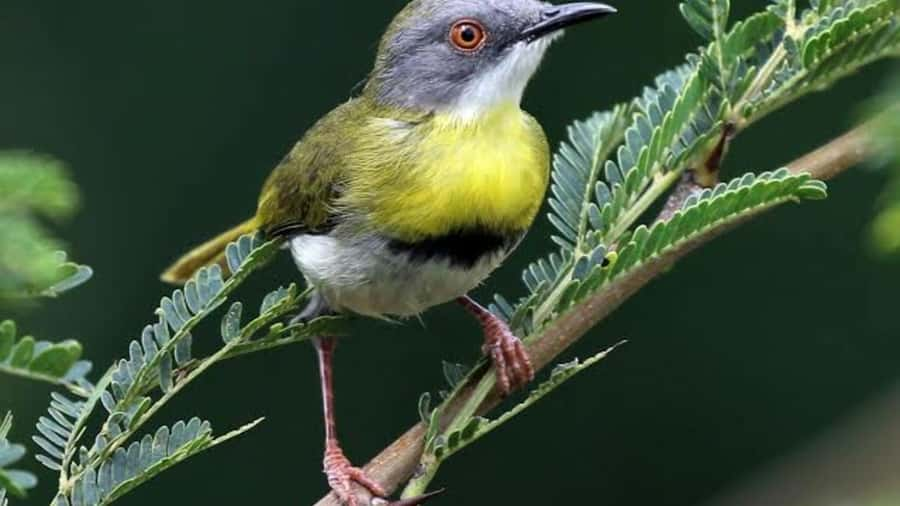
Once inside Nairobi National Park, the session starts at once. The first habitat is dry forest, where you look for birds from families including Pycnonotidae, Turdidae, and Columbidae.
In plain terms, this means a mix of bulbuls, thrushes, doves, and related forest birds. Some may sit in clear view, but others will announce themselves with a short call from deep cover. This is where a guide with a good ear earns the fee.
Diana is especially praised for hearing faint calls and spotting tiny birds at a distance while the vehicle is moving. Saidi is described as carrying useful bird references, playing calls when appropriate, and explaining what you are seeing. Benson is also singled out for strong spotting and identification skills.
Those details tell you what the guide’s role should be. You are not simply driven past trees while someone points at anything with wings. The guide should help you connect a sound, shape, behavior, and habitat. For a beginner, that turns a blur of feathers into a bird you can recognize again.
Forest birding can be slower than open-country wildlife viewing. You may stop for a call and wait without a clear sighting. That is not a flaw in the park, but you should know what you are buying: careful observation rather than nonstop action.
Dams and wetlands: a change of pace
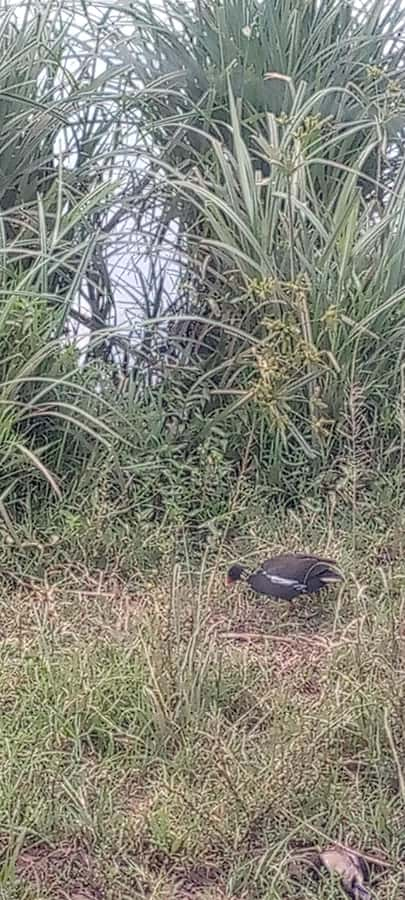
The route then turns toward dams and wetland areas. Here, the likely families include Scolopacidae, Anatidae, and Ciconiidae, which cover sandpipers and other waders, ducks, storks, and related water birds.
Wetland stops are often easier for beginners because the open setting gives you more time to study a bird. You can compare shapes, leg length, bill size, and feeding habits without leaves blocking the view. A guide can also explain why a bird is using shallow water, mud, or the edge of a dam.
Water levels will affect what you see, and the supplied information does not promise a fixed list of species. You might find a strong selection of water birds, or you may spend more time on a few good sightings. The important point is that the habitat is included as part of the planned route, rather than treated as an accidental stop.
This is also a good place to keep your camera expectations sensible. Small water birds can be far away, and light changes quickly in open areas. Binoculars are useful, though no binocular rental is listed, so bring your own if you have them.
Same region, a different park day:
- Safari Tour; Nairobi National Park
★ 4.5 · 594 reviews - Nairobi National Park 5-hour Guided Game Drive Free Pick up
★ 4.5 · 367 reviews - Nairobi National Park, Elephant Orphanage and Giraffe Centre
★ 4.6 · 365 reviews - Nairobi: Day Tour to Amboseli National Park & Maasai Village
★ 4.5 · 310 reviews
Grassland: bigger birds and wider views
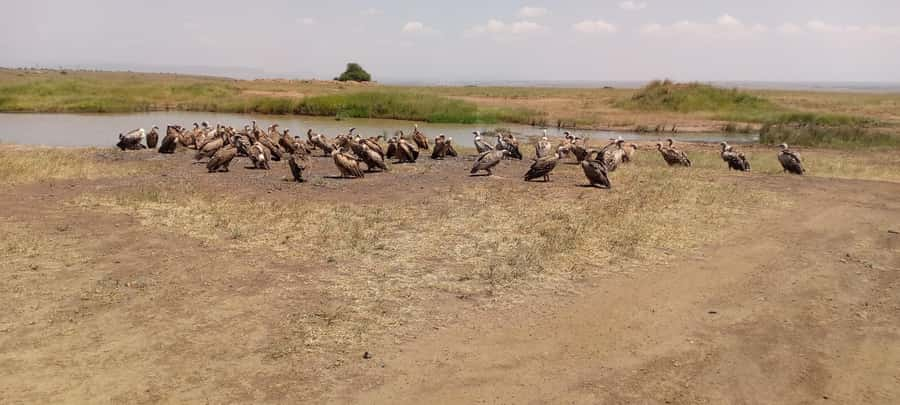
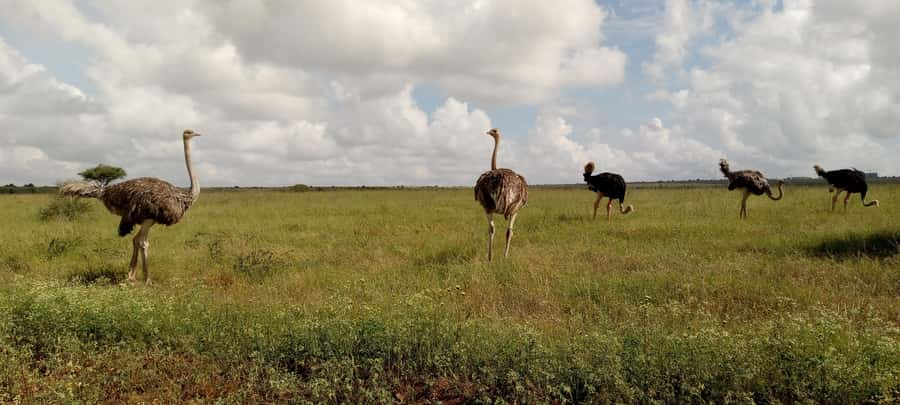
The grassland section brings another set of families, including Otididae, Struthionidae, Ardeidae, Motacillidae, Laniidae, and Fringillidae. These include bustards, ostriches, herons, pipits, shrikes, and finch-like birds.
This habitat gives you a better chance to scan broad areas. Large birds are easier to pick out, while smaller birds may sit on bushes, fence lines, or exposed stems. The open view also makes it easier to connect birding with the rest of the park’s wildlife.
The outing is not limited to birds. One day produced 67 bird species, including 31 lifers for the participants. Another extended outing recorded 108 total sightings and included lions, rhinos, giraffes, and a turaco. A separate six-hour session included about 50 bird species along with zebras, antelopes, buffalo, white and black rhinos, and a cheetah.
These numbers are useful examples, not promises. I would treat 50 to 67 bird species as possible benchmarks from strong outings, but your result may be lower or higher. The mammal sightings are an added benefit, not the central product.
Time on foot at picnic points
You do not remain inside the vehicle for the full six hours. At designated picnic points, you can get out to stretch your legs and use the toilet while continuing to look for birds on foot.
That makes a real difference on a long birding session. Six hours seated in a safari vehicle can become tiring, especially for anyone who is not used to early starts and rough park roads. Short walking breaks give you a different viewing angle and let you reset before the next habitat.
The information does not specify how long each walk lasts or how many walking stops you will make. I would think of them as useful breaks rather than a separate walking safari. You remain within the park’s designated areas and follow the guide’s instructions.
For anyone using a wheelchair, the activity is listed as wheelchair accessible. Because park surfaces and picnic areas can vary, confirm the vehicle and stop arrangements in advance if you have specific mobility needs.
The guide is the heart of the experience
Birding succeeds or fails on the guide’s ability to find and explain small, distant, or hidden species. The named guides connected with this experience have different strengths worth noting.
Benson is praised for spotting birds and identifying everything seen. Diana is described as highly enthusiastic, with an exceptional ear for faint bird sounds and a talent for finding small birds while driving. Saidi is described as well equipped, able to show an identification sheet, play a bird call, and answer questions.
You may not receive the same guide on every date, so treat these names as examples rather than a guarantee. Still, the repeated focus on spotting, calls, and explanations gives you a useful standard to expect from the team.
I particularly like the emailed bird list. It turns a pleasant morning into a record you can use later. You can check names, mark lifers, share the list with your birding companions, or use it to prepare for another Kenyan park.
The list also helps solve one common problem: forgetting the name of the bird you saw five minutes ago. Ask your guide questions during the day, then use the final list to organize your notes afterward.
What the $450 price really covers
The private group price is $450 for up to seven people. It includes pickup and drop-off, a private English-speaking guide and driver, a private safari van, and drinking water.
That is a fair structure for a small group. At maximum capacity, you share the base cost among seven people. For a couple, the per-person price is high, but you are paying for privacy, a full day of attention, and transport arranged around your accommodation.
Park entry is separate. For non-residents, the listed fee is $48 in the low season and $60 in the high season. Confirm the current rate when booking, since park charges can change. Lunch and snacks are also separate.
The standard vehicle is an open-roof safari van. If you prefer a safari Landcruiser, the extra charge is $80. I would consider that upgrade mainly if vehicle comfort or a sturdier ride matters to you, rather than assuming it will automatically produce better bird sightings.
The package allows cancellation up to 24 hours before departure for a full refund, and you can reserve now and pay later. Those terms give you some flexibility, but they should not distract from the main budget question: include park entry, food, and any vehicle upgrade when comparing the total price.
What to bring for a better birding day
Bring your passport or ID card, since identification is listed as required. Also bring a hat, sunscreen, suitable outdoor clothing, and binoculars if you own them.
A small notebook or phone can help you record quick notes, especially if you want to compare the final emailed list with what you personally observed. Keep your camera ready, but do not let photography stop you from watching. Many bird sightings last only a few seconds.
Pack snacks and lunch if you need food during the day. They are not provided. Water is included, but you may still want a refillable bottle for comfort.
If you are choosing between the van and Landcruiser, ask about the extra $80 before the day begins. The van has an open roof and is designed for this kind of viewing, while the Landcruiser costs more. Your choice depends on comfort, group preference, and budget.
Who should book this private birding trip
I would choose this outing if you want birds to be the main subject of a Nairobi safari. It suits beginners because the guide can explain calls, families, and identification details, but it also works for experienced birders who want a serious six-hour session close to the city.
It is especially practical for a small private group, a couple with different levels of birding experience, or someone with limited time in Kenya. You get a full habitat circuit without committing to a much longer safari outside Nairobi.
It is less suitable if you want a guaranteed list of rare birds, a relaxed scenic drive with little stopping, or a meal included in the price. Birding requires patience, and some of the best moments may be a call you hear before you see anything.
Should you book it?
Book it if you care about birds and want a guide-led day that gives forest, wetland, and grassland equal attention. The private setup, emailed species list, and strong praise for Benson, Diana, and Saidi make it more focused than a standard wildlife drive.
I would be careful about the total cost if you are alone or traveling as a pair. Add park entry, food, and the possible Landcruiser supplement before deciding. If the $450 group rate works for your party and you want more than a quick look at Nairobi’s famous mammals, this is a thoughtful and unusually bird-centered way to see the park.
FAQ
How long does the birdwatching experience last?
The planned birdwatching session lasts six hours, with an early pickup from Nairobi and drop-off afterward. One past outing lasted more than seven hours, but you should plan around the stated six-hour duration.
How many people can join the private group?
The $450 price covers a private group of up to seven people.
What bird habitats will I visit?
The route includes dry forest, dams and wetlands, and grassland. Each area is linked with different bird families and viewing conditions.
Is park entry included in the price?
No. For non-residents, the listed Nairobi National Park entry fee is $48 in the low season and $60 in the high season.
What vehicle is used?
The standard vehicle is an open-roof safari van. A safari Landcruiser can be requested for an additional $80.
Is food included?
Drinking water is included, but lunch and snacks are not included.
What language does the guide speak?
The live guide speaks English.
Newest park tours we have reviewed in Nairobi
- Nairobi:Nairobi national park,David sheldrick,GiraffeCenter★ 3.6 · 3 reviews
- Nairobi: Overnight Safari Trip to Amboseli National Park★ 4.9 · 8 reviews
- Nairobi Park, Giraffe & Elephant Orphanage with Museum Visit★ 5.0 · 5 reviews
- Nairobi National Park, Orphanage, Giraffe & Beads Tour★ 5.0 · 9 reviews
- Nairobi National Park Half-Day Guided Game Drive With Pickup★ 4.1 · 13 reviews
- Nairobi National Park Morning Game Drive With Free Pickup★ 3.8 · 4 reviews
- Nairobi national park: Sunrise and Sunset Tours★ 4.4 · 5 reviews
- Nairobi National Park: Half-Day Group Tour with Pickup★ 4.3 · 40 reviews
Nairobi National Park Tours, compared.

Nairobi National Park Half-Day Tour; Free Wi-Fi connection
Read our review →
National Park & Optional Elephants & Giraffe Center
Read our review →
Nairobi National Park 5-hour Guided Game Drive Free Pick up
Read our review →
Nairobi National Park, Elephant Orphanage and Giraffe Centre
Read our review →
Day Tour to Amboseli National Park & Maasai Village
Read our review →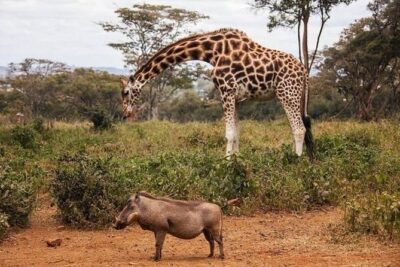
Tour: Giraffe Center and Nairobi National Park
Read our review →Lists this park day appears in